

Formally established in 1997 to foster collaboration among Federal agencies that produce or use statistical data on America’s children and families.
- Tweets2.2K
- Following177
- Followers306
- Likes0





ALT Circular picture of two smiling students in a classroom. To the left of the image is the text “America’s Children: Key National Indicators of Well-Being, 2025. A new report from the Federal Interagency Forum on Child and Family Statistics. Now available!” At the bottom of the image is the URL childstats.gov.

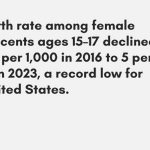
ALT Gray infocard with the text “The birth rate among female adolescents ages 15–17 declined from 9 per 1,000 in 2016 to 5 per 1,000 in 2023, a record low for the United States.” At the bottom of the image is the URL childstats.gov.

ALT Picture of a family with two young children walking in the woods. Above the picture is the text “America’s Children: Key National Indicators of Well-Being, 2025. Now available!” Below the text is the URL childstats.gov.

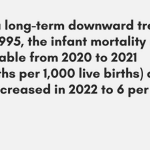
ALT Gray infocard with the text “After a long-term downward trend since 1995, the infant mortality rate was stable from 2020 to 2021 (5 deaths per 1,000 live births) and then increased in 2022 to 6 per 1,000.” At the bottom of the image is the URL childstats.gov.

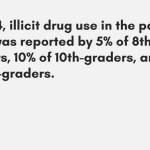
ALT Gray infocard with the text “In 2024, illicit drug use in the past 30 days was reported by 5% of 8th-graders, 10% of 10th-graders, and 17% of 12th-graders.” At the bottom of the image is the URL childstats.gov.

ALT Gray infocard with the text “In 2023, 1.5% of all children ages 0–17 served by community water systems were served by systems that had violations of the disinfection byproducts standard.” At the bottom of the image is the URL childstats.gov.

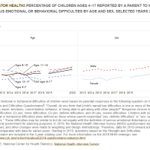
ALT Screenshot of Health figure 3 titled “Percentage of children ages 4–17 reported by a parent to have serious emotional or behavioral difficulties by age and sex, selected years 2013–2022.” The figure is available in the linked indicator.

ALT Circular picture of children in a classroom. To the left of the image is the text “America’s Children: Key National Indicators of Well-Being, 2025. A new report from the Federal Interagency Forum on Child and Family Statistics. Now available!” At the bottom of the image is the URL childstats.gov.

ALT Screenshot of Health Care figure 1 titled “Percentage of children ages 0–17 by health insurance coverage status at the time of interview 2013–2023.” The figure is available in the linked indicator.

ALT Screenshot of Family and Social Environment figure 1.A titled “Birth rates for unmarried women by age of mother, 2013–2023.” The figure is available in the linked indicator.

ALT Gray infocard with the text “In 2023, the serious violent crime victimization rate for youth ages 12–17 was 5 crimes per 1,000.” At the bottom of the image is the URL childstats.gov.

ALT Screenshot of Behavior figure 4.A titled “Percentage of high school students who reported ever having had sexual intercourse by grade, selected years 1991–2023.” The figure is available in the linked indicator.

ALT Picture of four young students in a classroom. Above the picture is the text “America’s Children: Key National Indicators of Well-Being, 2025. Now available!” Below the text is the URL childstats.gov.

ALT Gray infocard with the text “After a long-term downward trend since 1995, the infant mortality rate was stable from 2020 to 2021 (5 deaths per 1,000 live births) and then increased in 2022 to 6 per 1,000.” At the bottom of the image is the URL childstats.gov.
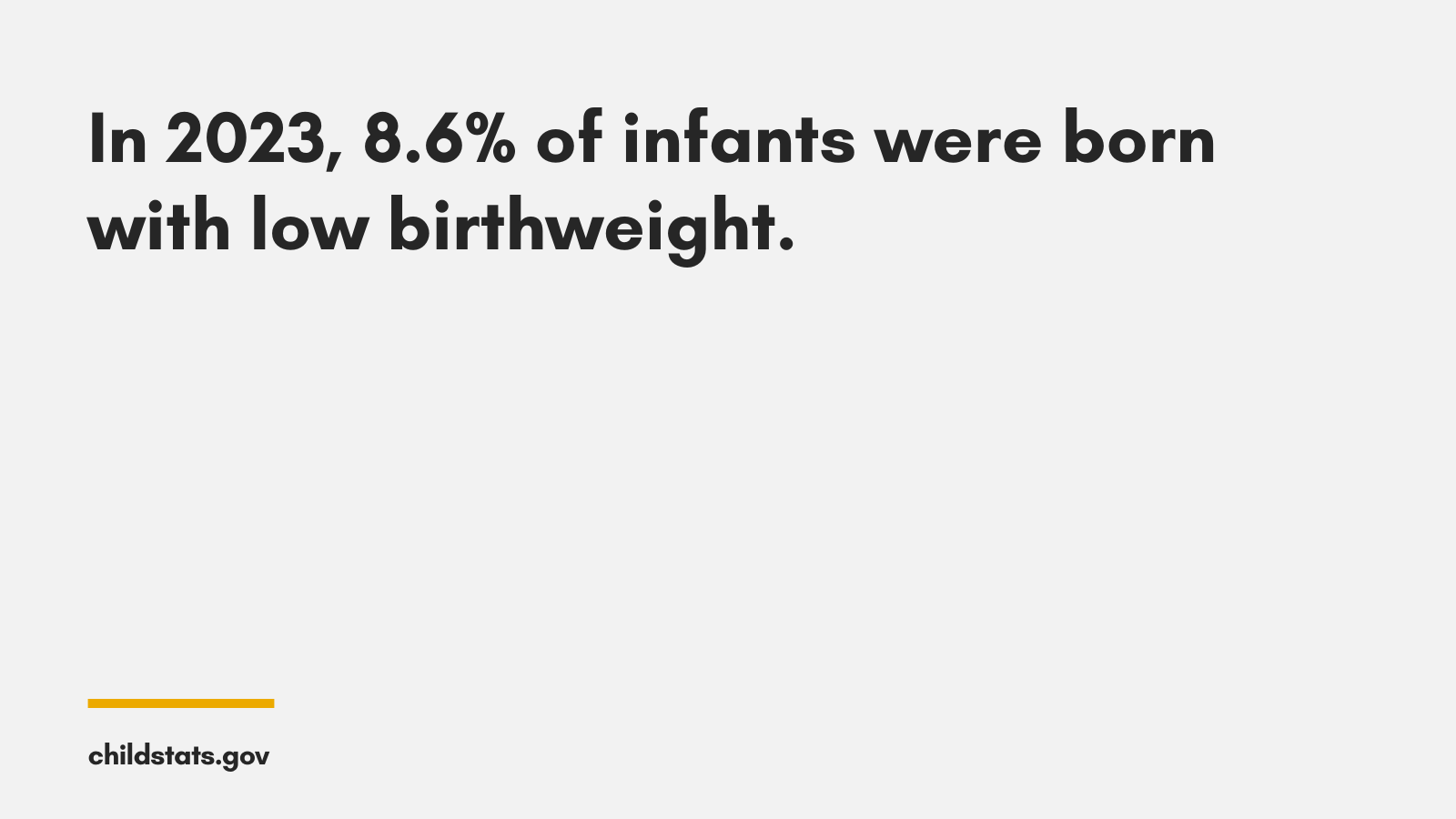
ALT Gray infocard with the text “In 2023, 8.6% of infants were born with low birthweight.” At the bottom of the image is the URL childstats.gov.

ALT Picture of parents sitting on a sofa with their two young children. Above the picture is the text “America’s Children: Key National Indicators of Well-Being, 2025. Now available!” Below the text is the URL childstats.gov.

ALT Screenshot of Health Care figure 3.A titled “Percentage of children who, by age 24 months, have completed the 7-vaccine series by poverty status, birth year 2011–2022.” The figure is available in the linked indicator.

ALT Screenshot of Physical Environment and Safety figure 7.A titled “Emergency department visit rates for children ages 1–4 and 5–14 by leading causes of injury 2021–2022.” The figure is available in the linked indicator.

ALT Screenshot of Behavior 1 titled “Percentage of 8th-, 10th-, and 12th-Grade students who reported any nicotine use and who reported vaping nicotine in the past 30 days by grade, 2017–2024.” The figure is available in the linked indicator.

ALT Gray infocard with the text “In 2023, the serious violent crime offending rate for juveniles ages 12–17 was 6 crimes per 1,000; there were 162,100 serious violent crimes involving juvenile offenders.” At the bottom of the image is the URL childstats.gov.

ALT Gray infocard with the text “Read an updated indicator from Forum member EPA to learn how the prevalence of current asthma in 2024 among children ages 0–17 varied by race/ethnicity.” At the bottom of the image is the URL childstats.gov.