

Professional GUI Client for DynamoDB https://xitter.gq/t.co/nqS5b8GVKr
Joined January 2020
- Tweets391
- Following67
- Followers1.3K
- Likes371


Unpopular opinion: dev, staging and prod DynamoDB tables shouldn't share an AWS account.
Prefixes like dev-orders are one typo away from a prod write. Separate accounts give each environment its own IAM boundary, quotas and bill.
Prefixes are naming. Accounts are isolation.

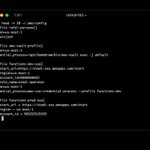
ALT Terminal showing an ~/.aws/config file with several AWS profiles that Dynobase can use.
44
What actually happens when you call PutItem in DynamoDB?
It reads like "insert a row". It behaves like "replace whatever is at this key". 🧵

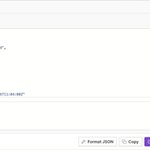
ALT Dynobase JSON editor showing a DynamoDB item being edited.
1
62
4/ A GSI gets the item only if it has that index's key attributes. If a replace changes an index key, the index does a delete plus a put, and both cost write capacity.
With Streams on, you get an INSERT or a MODIFY record.
1
13
Which DynamoDB limit surprised you first in production?
• 400 KB max item size
• 1 MB max per Query or Scan page
• 25 items per BatchWriteItem call
• 10 GB per partition key once a table has an LSI
Or one that isn't on this list?

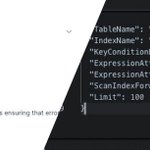
ALT Dynobase Query parameters panel with index, key condition, sort direction and Limit, next to code generation options.
79

4/ Need to know what you deleted? ReturnValues=ALL_OLD returns the item as it was.
With Streams on, the delete also emits a REMOVE record, with the old image if your stream view type includes it.
1
22
Before you restore a DynamoDB table from a backup or PITR:
1. Pick a new table name (a restore never overwrites)
2. Recreate auto scaling and alarms
3. Re-enable TTL and Streams
4. Re-apply tags and IAM policies
5. Turn PITR on for the new table
None of these carry over.

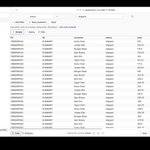
ALT Dynobase table view with an item attribute being edited inline in the grid.
75
Counterintuitive DynamoDB fact: a GSI can throttle writes to your base table.
Writes that touch indexed attributes are copied to the GSI. If the index runs short on write capacity, the table write is throttled too.
On provisioned tables, give each GSI at least the table's WCU.

ALT Dynobase table view of a production Orders table in us-east-1, with query results and Import, Export and History buttons along the bottom.
1
3
102
What actually happens when you call Query on a DynamoDB table?
It isn't "search the table". It's a specific walk through one partition key.
The life of one Query, step by step 🧵

ALT Dynobase code generation options next to DynamoDB Query parameters: TableName Orders, IndexName ByStatus, KeyConditionExpression, ScanIndexForward true, Limit 100.
1
1
126
4/ FilterExpression runs after the read, so you pay for every item read, matched or not.
Cost is the total size read, rounded up to 4 KB: 1 RCU per 4 KB strongly consistent, half that eventually consistent. A projection doesn't lower it.
1
16