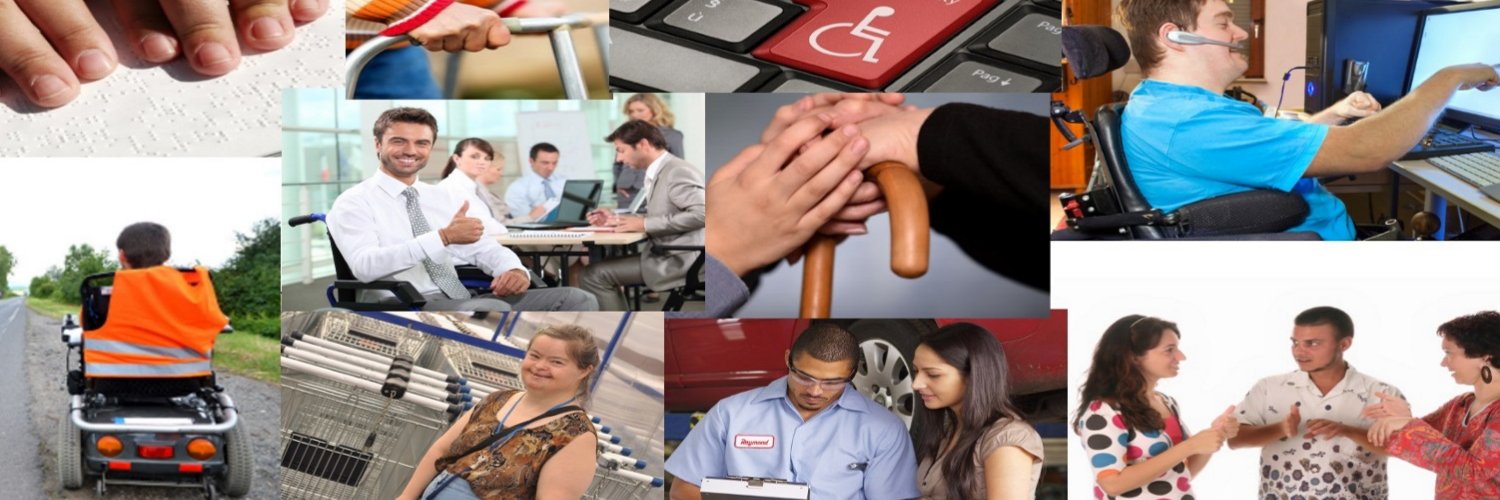

Increasing the accessibility confidence of NL businesses & employers; creating barrier free places, policies & practices. 1.844.517.1376 #Inclusion4Everyone
- Tweets3.7K
- Following775
- Followers1.9K
- Likes3.6K




ALT A pit crew dressed in red rushes forward as a race care pulls into the pit lane. The title reads Disability Awareness: What not to do and what to do instead. The InclusionNL logo is in the lower right corner.

ALT A pit crew dressed in red rushes forward as a race care pulls into the pit lane. The title reads Disability Awareness: What not to do and what to do instead. The InclusionNL logo is in the lower right corner.

ALT Over a background of a city street with high rise buildings, a street sign on a pole shows an arrow pointing down with a red prohibition sign over it. The title reads Disability Awareness: What not to do and what to do instead. The InclusionNL logo is in the lower right corner.

ALT Over a background of a city street with high rise buildings, a street sign on a pole shows an arrow pointing down with a red prohibition sign over it. The title reads Disability Awareness: What not to do and what to do instead. The InclusionNL logo is in the lower right corner.

ALT Against a blue sky with clouds, a large green street sign says "choices ahead" while showing three lanes with turning arrows pointing in different directions. The title reads Disability Awareness: What NOT To Do (And What To Do Instead). The InclusionNL logo is in the lower right corner.

ALT Against a blue sky with clouds, a large green street sign says "choices ahead" while showing three lanes with turning arrows pointing in different directions. The title reads Disability Awareness: What NOT To Do (And What To Do Instead). The InclusionNL logo is in the lower right corner.

ALT A red traffic light is on the left, with an arrow pointing right to a green traffic light. The title reads Disability Awareness: What NOT to Do (And What to Do Instead). The EmpowerNL logo is centered at the bottom.

ALT A red traffic light is on the left, with an arrow pointing right to a green traffic light. The title reads Disability Awareness: What NOT to Do (And What to Do Instead). The EmpowerNL logo is centered at the bottom.

ALT Silhouettes of marching soldiers line the bottom as a large poppy stands behind. The title reads Lest We Forget. The InclusionNL logo is centered at the top.


ALT A full moon sits between the clouds against a dark blue sky. The title reads Happy Halloween. The InclusionNL logo is centered at the bottom.

ALT A group of coworkers are in an office with their hands raised in celebration, smiling. The title reads DEAM: Creating a Disability-Positive Workplace. The InclusionNL logo is in the lower left corner.

ALT Two cupped hands hold three circles of paper, the green having a happy face, the yellow a neutral face and the red a sad face. The title reads DEAM: Creating a Disability-Positive Workplace. The InclusionNL logo is in the lower left corner.

ALT A group of coworkers, one using a wheelchair, stand together smiling in a large open concept office. The title reads DEAM: Creating a Disability-Positive Workplace. The InclusionNL logo is in the lower left corner.

ALT A young person with Downs Syndrome wears an apron and stands behind the counter of a coffee shop while his mentor stands behind him, smiling and leaning on an espresso machine. The title reads DEAM: Creating a Disability-Positive Workplace. The InclusionNL logo is in the lower left corner.

ALT Two women sit at a table in a conference room, reviewing hiring documents. The title reads DEAM: Creating a Disability-Positive Workplace. The InclusionNL logo is in the lower left corner.

ALT A group of employees in PPE receive training from a supervisor. The title reads DEAM: Creating a Disability-Positive Workplace. The InclusionNL logo is in the lower left corner.

ALT View over the shoulder of a young person looking at a virtual meeting on their laptop screen. The title reads DEAM: Creating a Disability-Positive Workplace. The InclusionNL logo is in the lower left corner.

ALT Close up photo of a computer keyboard with a large blue key that has a wheelchair symbol and the word accessibility. The title reads DEAM: Creating a Disability-Positive Workplace. The InclusionNL logo is in the lower left corner.

ALT Photo of a person using a wheelchair, crossing a bumpy threshold from corridor to elevator. The title reads DEAM: Creating a Disability-Positive Workplace. The InclusionNL logo is in the lower left corner.