

Our mission is to prevent disease and protect and promote the health and safety of Rhode Islanders. Social media comment policy: https://xitter.cf/t.co/oalR0Qd7xa
- Tweets25K
- Following542
- Followers23.8K
- Likes5.2K

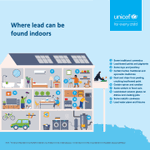





ALT An illustration of a home where you can see into every room. Text reads: "Where lead can be found indoors. 1. some traditional cosmetics; 2. lead-based paints and pigments; 3. Some toys and jewelry; 4. certain herbal traditional and Ayuvedic medications; 5. dust and chips from peeling, cracking lead-based paint; 6. Certain spices and candles; some solders in food cans; lead-based ceramic glazes on dishes and cooking pots; some metallic cookware; lead water pipes and fixtures."

ALT A diagram showing a baby's lungs and esophagus while sleeping on their back and their tummy.

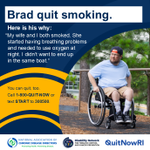
ALT The image reads: “Brad quit smoking. Here is his why: 'My wife and I both smoked. She started having breathing problems and needed to use oxygen at night. I didn't want to end up in the same boat.’ You can quit, too. Call 1-800-QUIT-NOW or text START to 300500.” Next to the text, there is a photo of Brad rolling down a wooded path in his wheelchair.

ALT A medication lock bag



ALT Scare-o-meter line graph continuing from previous slide. Number 1 has a boy pointing at himself looking confused. Text reads: Rabies can infect any mammal—from wildlife to pets to humans. umm.... even me? Number 2 has a photo of a bat with his wings out. Text reads: Very few people in the U.S. die from rabies thanks to vaccination efforts, animal control, and a strong public health system. more reassuring than horrifying. Number 3 has a photo of a vial of the rabies vaccine. Text reads: If you seek medical attention immediately after exposure, rabies is entirely preventable with wound care, a dose of human rabies immune globulin (HRIG), and a four-injection series of the rabies vaccine. nice!

ALT Scare-o-meter line graph continuing from previous slide. Number 4 has a photo of Edward Cullen. Text reads: Some scholars believe that literary depictions of zombies, vampires, and werewolves are based on rabies. very creative and spooky! way to go, Twilight. Number 5 has a photo of a corgi. Text reads: Outside of North America, dogs are the primary transmitters of rabies. In the U.S., cats tend to be more common vectors than dogs, but wild animals like bats, raccoons, and skunks are the most common. a good reminder to keep pets up to date on vaccines. Number 6 has a photo of two Band-Aids. Text reads: While bites are the most common way to transmit the virus, it can happen if your eyes, mouth, nose, or an open wound come in contact with infected saliva or nerve tissue.

ALT Scare-o-meter line graph continuing from previous slide. Number 7 has a photo of a brain. Text reads: The virus attacks parts of your brain that control swallowing, which triggers painful throat spasms when you try to drink water. This is why people and animals with rabies experience hydrophobia, or a fear of water. Number 8 has a photo of a dog barking. Text reads:The excessive saliva associated with rabies comes from the virus replicating in the salivary glands, ensuring that a sloppy bite from a vector will infect a new victim. yikes, this virus has a mind of its own, huh? Number 9 has a photo of two people watching a scary movie with the blanket up, covering their eyes. Text reads: Unlike other RNA viruses, rabies attacks your central nervous system, meaning it can alter your behavior. teetering on abject horror.

ALT Scare-o-meter line graph continuing from previous slide. Number 10 has an image of a raccoon and the fish-eye face emoji. Text reads: Once symptoms like those of flu-like illnesses, discomfort at the site of the bite, and behavioral changes appear, rabies is nearly always fatal. properly horrified and ready to take preventive measures to avoid exposure. Hear more on Public Health On Call

ALT Two dogs dressed up as ghosts. A black cat that looks mid yawn. Line graph labeled as Scare-o-meter starting at zero going off to the right. Text reads: Rating Rabies Facts by How Horrifying They Are. Rabies is a disease that feels straight out of a horror movie —but it’s also highly preventable.


ALT An image of a prescription medication bottle with red and blue capsules spilling out. Text reads: DEA National RX Take Back Saturday, October 24 10 a.m. - 2 p.m. DEATakeBack.com

ALT a smiling toddler with Down Syndrome on a colorful playmat.

ALT A haunted house with text that reads "Where you live can affect your health.

ALT A graphic illustration of a bottle duping out some liquid and text reads: Alcohol increases the risk of several types of cancer: Throat cancer; colon cancer; breast cancer (in women); liver cancer and more...