

AI Scientist | Tech Entrepreneur | CEO & President of @Mobileye
Israel
Joined January 2019
- Tweets299
- Following209
- Followers8.7K
- Likes50




Will AI "kill mathematics"? A quick look at my conversation with @nasdaily at the Nas Summit in Jerusalem.
Are we building God?
A quick look at my conversation with @nasdaily at the Nas Summit in Jerusalem.
1
10
1,099
Amnon Shashua retweeted

1/
We set Maxwell to optimize DeepSeek-V4.1-Flash serving on B200s.
Maxwell’s engine outputs 3x more tokens per GPU than vLLM at the same speed per user, or serves 2x speed per user for typical loads.
It beats every published B200 setup, and is even faster than all comparable GB300 results.
Blog: doubleai.s.gy/gb300
We at @doubleai let an AI agent into a neural network’s training run, and it redesigned the network as it learned, writing new layers as code.
CLRS: 55% → 84%. 64% → 71% on AIME/HMMT 2026.
Learning goes beyond updating weights. It evolves the architecture itself. Architecture is no longer hand-designed.
doubleai.com/research/can-ll…

2
49
2,546
On a recent paper @shai_s_shwartz and myself published.. cannot describe this better than Shai.. see below..

12/
For decades, learning theory has studied how to generalize from examples we have seen to examples we haven’t.
We believe the next frontier is to generalize from requirements we know how to specify to requirements we haven’t even thought of.
This is the challenge of AI alignment.
📄 Alignment via Generalization
arxiv.org/abs/2610.34242

2
25
5,068
Maxwell on a real workload, with a real customer and with an outcome that "moves the needle".. 1.87x faster on top of highly optimized stack written by human experts.
Read the blog: doubleai.s.gy/ltx-maxwell


1/ Together with @ltx_io, we used Maxwell, our Code Execution Model, to make video generation in LTX-2.5 1.87x faster.
With Maxwell, generating a five-second 4K clip on 2xB200s went from 250 seconds to only 134. No quantization or loss of quality at all. The code is open source.
Our breakthrough on the Moore girth problem raises a larger question: when will AI become a great scientist?
In this lecture, I discuss what made this result possible—and why verification remains a fundamental barrier across science.
Watch the lecture youtube.com/watch?v=AIMnYEHj…

Amnon Shashua retweeted

אולי שאלתם את עצמכם איפה נעלמו הסקירות הממוספרות. הם לא נעלמו פשוט אין לי זמן לכתוב סקירות ממש מעמיקות ואני עושה זאת רק בשיתוף פעולה (מוזמנים בחום).
והפעם סקירה של בלוג של מעבדת מחקר ישראלית DoubleAI בהובלת פרופ' אמנון שעשוע Amnon Shashua ופרuפ' שי שלו שוורץ.
תפסיקו לאמן לתגמול הכי גבוה - תתחילו לאמן בשביל דגימה בסקייל
סקירה יומית של נדב ומייק: סקירה 616, 408 סקירות עד 1024
ArgMaxRL: Generalizing MaxRL to Continuous Rewards
אחת הבעיות המוכרות באימון LLMs עם RL (עם שיטות כמו PPO, GRPO וכדומה) היא העובדה שהאופטימיזציה המתבצעת בזמן האימון לא תמיד תואמת לאופן שבו אנחנו משתמשים בהם בזמן אינפרנס (כלומר כאשר אנו מגנרטים טקסט). בשיטות אימון LLMs כמו REINFORCE או GRPO, המטרה העיקרית היא לשפר את האיכות הצפויה של דגימה בודדת כלומר best@1.
אבל בפועל, בזמן אינפרנס אנחנו מעוניינים לעתים קרובות לדגום מהמודל פעמים רבות ולהשתמש בדגימה הטובה ביותר. כשיש לנו את האמצעים, למשל בהניתן verifier או מנגנון שנותן ציון (score) לתשובה, אנחנו ניקח את התשובה בעלת הציון הגבוה ביותר.
היינו רוצים שככל ש k(מספר הדגימות) יגדל, האיכות של הדגימה הטובה ביותר מהם תשתפר. כלומר best@k יהיה פונקציה עולה ב-k - האיכות משתפרת ככל שאנו בוחרים מיותר אופציות . במילים אחרות: אנחנו מעוניינים לעשות test-time scaling ולהרוויח ממנו.
בסקירה זו של בלוג מאוד מעניין מבית חברת doubleAI (שהיא גם מעבדת מחקר שהופך אותה לציפור נדירה בנוף הסטארטאפים הישראלים) מוצגת שיטה בשם ArgMaxRL.
הגישה מציעה לשנות את תהליך האימון באופן שיכוון ישירות לביצועים תחת צורת השימוש המתוארת מעלה. העבודה מרחיבה את התוצאה של MaxRL, עבודה מ-CMU מפברואר השנה למקרה שבו התגמול בינארי ( תשובה נכונה או לא נכונה) אפשר להגדיר pass@k, כלומר ההסתברות שלפחות אחת מתוך k דגימות תהיה נכונה.
שיטת MaxRL הראתה כי שינוי קטן במשערך הגרדיאנט של REINFORCE - נרמול לפי מספר ההצלחות K במקום לפי מספר הדגימות N, מאפשר לאמן ישירות על תערובת של יעדי pass@k, עד תקציב הדגימה N, עם משקל 1/k לכל k. הפאנץ' של ArgMaxRL הוא שאפשר להכליל את התוצאה של MaxRL למקרה של rewards רציפים.
ההכללה מתבצעת בשני מישורים. ראשית, pass@k עצמו מוכלל ל-best@k: תוחלת התגמול הגבוה ביותר שמתקבלת מתוך k דגימות. ובאופן תואם, גם משערך הגרדיאנט של MaxRL מקבל הכללה למקרה הרציף. התוצאה המרכזית היא שהמשערך של ArgMaxRL נותן, בתוחלת, את הגרדיאנט המדויק של פונקציית מטרה שמחברת את יעדי best@k עבור k=1,...,N, עם משקל 1/k לכל אחד מהם - בדיוק כמו MaxRL רק עם best@k במקום pass@k.
יתרה מזאת, כאשר התגמול בינארי, שתי ההכללות חוזרות בדיוק למקרה המקורי: best@k הוא בדיוק pass@k, ומשערך ArgMaxRL הוא בדיוק משערך MaxRL. כלומר, לא מדובר באנלוגיה ל-MaxRL אלא בהכללה של ממש שלו.
עכשיו אפשר לשאול איך מגיעים לשם. למה בכלל צריך best@k? הסיבה היא שתגמול רציפים הינם מקרה די נפוץ בבעיות בעולם האמיתית. בקוד, למשל, תגמול יכול להיות שיעור הטסטים שעברו, במתמטיקה אפשר לקבל ציון חלקי,ובאופטימיזציה של קרנלי CUDA הדוגמה שמובאת במאמר (ובה doubleAI הראו כבר הצלחות מרובות), כמה פתרונות שונים יכולים להיות נכונים לחלוטין אך לספק speedup שונה מאוד. במקרים כאלה pass@k כבר לא מתאר את מה שמעניין אותנו. לא מספיק לדעת אם אחת הדגימות "עברה"; אנחנו רוצים לדעת מה איכות הדגימה הטובה ביותר.
מכאן מגיע best@k: תוחלת התגמול המקסימלי מבין k דגימות. ואם ההתגמול בינארי, best@k הופך בדיוק ל-pass@k. לכן זו לא מטריקה חדשה ומנותקת, אלא ההכללה הטבעית של pass@k למקרה שבו יש משמעות ל"כמה טוב" הפתרון.
למה בכלל לייעל best@k ולא best@1? כאן הבלוג מספק אינטואיציה מתמטית. עבור שתי דגימות, אפשר לכתוב את best@2 בתור best@1 ועוד חצי מהתוחלת של ההפרש המוחלט בין התגמולים של שתי הדגימות (נובע בפשטות מזהות של המקסימום בין שני מספרים, שאותה עוטפים בתוחלת).
במילים אחרות, best@2 לא מודד רק כמה טובות הדגימות בממוצע, אלא גם מתגמל מצבים שבהם אחת מהן טובה משמעותית מהשנייה. זה בדיוק מה שרלוונטי כשבסוף דוגמים כמה תשובות ובוחרים את הטובה ביותר.
אם יש פתרון יחיד שהמודל יודע למצוא תמיד, אין שום סיבה למנוע ״קריסה״ אליו(שהמודל ייתן אותו תמיד). אבל כשיש אי-ודאות אמיתית, (שזה המקרה במשימות מורכבות) שמירה על כמה דרכי פתרון שונות היא בדיוק מה שמאפשר לדגימה נוסף לקנות לנו ביצועים.
אבל איך מכלילים גם את משערך הגרדיאנט של MaxRL? כאן מגיע הטריק המתמטי המרכזי של ArgMaxRL, והוא פשוט ומאוד אלגנטי. במקום להסתכל על תגמול רציף כעל משימה אחת, מסתכלים עליו כאוסף רציף של משימות בינאריות, אחת לכל סף אפשרי. למשל, משימה בינארית עם תגמול של 0.7 "מצליחה" בכל סף שבין 0 ל-0.7, ו״נכשל״ בכל סף גבוה יותר. עבור כל סף בנפרד, חוזרים אפוא לבעיה שכבר יודעים לפתור: האם הדגימה עברה את הסף או לא?
ועל כל אחת מהבעיות הבינאריות האלה אפשר להפעיל בדיוק את MaxRL. עבור סף מסוים tau, נספור כמה מתוך N הדגימות עברו אותו, נסמן את המספר הזה K_tau, וכל דגימה שעברה את הסף מקבלת את משקל MaxRL המתאים, 1/K_tau.
שיטת ArgMaxRL מבצעת למעשה את החישוב הזה על פני כל הספים ומחברת את התרומות. וזו אולי הדרך הכי ישירה להבין מדוע גם המשערך עצמו הוא הכללה של MaxRL: במקום להריץ MaxRL פעם אחת על תגמול בינארי, מריצים אותו רעיונית על כל רמות התגמול האפשריות ומבצעים אינטגרציה על התוצאה. על הנייר זה נשמע כאילו צריך לבצע אינטגרל על אינסוף ספים, אבל כאן מגיע החלק הפרקטי המפתיע לטובה: לא צריך.
הפרמטר K_tau משתנה רק כשעוברים אחד מערכי תגמול שהתקבלו בפועל, ולכן זו למעשה פונקציית מדרגה. כל החישוב מצטמצם למיון של התגמולים לכמה פעולות פשוטות. בפועל מדובר במספר שורות קטנות בפייתון של שינוי בחישוב ה-advantage. הקוד מופיע בבלוג.
המשקלים שמתקבלים נותנים גם דרך מעניינת להבין מה ArgMaxRL עושה. ב-REINFORCE, המשקל של דגימה תלוי רק בתגמול שלה. ב-GRPO הוא תלוי בממוצע ובסטיית התקן של הקבוצה; שני סטטיסטים שמסכמים אותה, ו״בולעים״ המון מורכבות. ב-MaxRL הבינארי, כל ההצלחות חולקות ביניהן משקל של 1/K, ללא משמעות ל"כמה טוב" הן הצליחו.
ב-ArgMaxRL, לעומת זאת, המשקל של דגימה תלוי במבנה המלא של ה-rewards ב-batch: כמה מועמדים מתחרים איתה בכל סף reward שהיא הצליחה לעבור. אותו תגמול של 0.5 יכול לקבל משקל שונה מאוד אם שאר הדגימות נמצאות סביב 0.1, לעומת מצב שבו עוד חמש דגימות נמצאות סביב 0.49.
מה שהופך את העבודה לנעימה ושלמה הוא השילוב בין שלושה דברים שלא תמיד מגיעים יחד: יעד אימון שמותאם באופן ישיר ל-test-time scaling; הכללה מתמטית נקייה מ-pass@k ל-best@k ומ-MaxRL ל-ArgMaxRL; ומשערך גרדיאנט שניתן להשתמש בו כ-drop-in replacement בלי לשנות את שאר מערכת האימון.
ובעיקר, היא מציעה דרך די עקרונית לחשוב על alignment בין יעד אימוןלבין שיטת אינפרנס : אם בזמן אינפרנס אנחנו ממילא מייצרים כמה פתרונות ובוחרים את הטוב ביותר, אולי הגיע הזמן שגם האימון יידע שזה מה שאנחנו הולכים לעשות.
#אייאיי_עם_מייק

really ground-breaking.. and the cost was less than $2000.. in few days we will release a paper describing the innovations around double-agent.. RSI, continual learning and more..
Amnon Shashua retweeted
Can AI reach superoptimisation across the internet, at scale? What if every single workload you ran was tailored to your exact hardware configuration?
Gal Beniamini (@laginimaineb) is speaking about it at @NVIDIAGTC Berlin, Thu 22 Oct, 15:00 CEST.
Another research from @doubleai
Most RL objectives for language models maximize average reward per generation. They do not explicitly reward maintaining several distinct, high-quality solutions, so output diversity can shrink during training—limiting the gains from best-of-k sampling.
ArgMaxRL directly optimizes the expected quality of the best among k samples for continuous rewards. This better aligns training with test-time scaling: generate multiple candidates, verify them, and select the best.
The result could be models that preserve useful diversity and benefit more from additional inference compute.
doubleai.com/research/argmax…

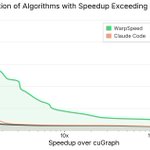
WarpSpeed is @doubleai 's self-improving, formally verified AI system. We've used it for kernel optimization (cuGraph), performance engineering (SOL-execbench), optimizing Python libraries like Pandas, and quantum circuits for ECDSA. Now: hardware design.
NVIDIA's CVDP covers the digital-design stage — write RTL from a spec, complete it, modify it, debug it, and optimize it. The optimization split is the one we focused on: given existing RTL and a spec, produce a functionally identical design using fewer cells. Cell count drives area and complexity, so it's scored as % reduction against the original.
WarpSpeed hits 82.5% there, and solves 98.5% on the design split.
Guaranteeing correctness is the harder problem. A design that drops its snapshot registers and reads live wires passes every CVDP test — the tests hold inputs fixed — while behaving differently from the spec. Claude Code w/ Fable scores 80.1% on average over all problems in the benchmark, but its solution on 16.2% of the problems is invalid.
WarpSpeed solutions were correct on 100% of the problems, because every candidate has to discharge a formal contract derived from the spec and original RTL before it's accepted.
For more details see doubleai.s.gy/doubleAI-RTL

.@doubleai rewrote pandas' kernels from scratch, specialized for modern hardware.
The result is a drop-in replacement — same API, same semantics — that runs 38.4x faster on PDS-H. Ten minutes of work becomes seventeen seconds. No code changes.
Strong verification isn't just about correctness — it buys you courage. The confidence to make sweeping algorithmic changes instead of timid ones.
We pointed Claude Fable 5 at the same task: ultracode, hundreds of subagents, $1k+ in credits. It got ~1.3x, and regressed ~10% of queries below stock pandas. Without strong verifiers, an agent can't risk the deep changes — so it refactors at the surface.
1
4
497
Zooming out: expertise is the bottleneck in software like this, and doubleAI is automating it.
The various code optimization results we have published are steps along a path to launching our first self-serve product. Stay tuned.
doubleai.com/research/warpsp…

2
460
Today we announced my intention to step down as @mobileye's CEO once the Board appoints a successor and we complete a smooth leadership transition. Until then, I will continue to serve as CEO.
This decision is about where I believe I can create the greatest long-term value for the company by focusing my energy on the long-term technology and innovation that have always been at the core of who I am.
Over the past 27 years, we built Mobileye from a research idea into a global technology company that has helped shape the future of automotive safety and autonomous driving. Today, we are entering a new era of physical AI, spanning ADAS, advanced hands-free driving, robotaxis, and humanoids.
As Mobileye expands into this new phase of growth, the company will require an even greater focus on operations, commercialization, and global execution. I look forward to concentrating on the long-term research and technological breakthroughs that will define what comes next.
I have never been more excited about where Mobileye is headed. I truly believe our most impactful work still lies ahead.