World Health Organization South-East Asia (@WHOSEARO) header
World Health Organization South-East Asia (@WHOSEARO) profile picture

Home to almost a quarter of the world’s population | Work with 10 Member States | Committed to building a healthier South-East Asia Region

New Delhi, India
Joined June 2013
Photo by World Health Organization South-East Asia (@WHOSEARO)Photo by World Health Organization South-East Asia (@WHOSEARO)Photo by World Health Organization South-East Asia (@WHOSEARO)Photo by World Health Organization South-East Asia (@WHOSEARO)Photo by World Health Organization South-East Asia (@WHOSEARO)Photo by World Health Organization South-East Asia (@WHOSEARO)Photo by World Health Organization South-East Asia (@WHOSEARO)Photo by World Health Organization South-East Asia (@WHOSEARO)Photo by World Health Organization South-East Asia (@WHOSEARO)Photo by World Health Organization South-East Asia (@WHOSEARO)
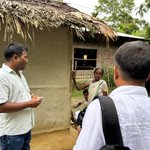
Assistive technology must reach the people who need it most. Understanding people's needs is the first step towards improving access. Through assessments at community level, WHO is supporting countries to identify gaps in access to assistive products and strengthen planning for services that respond to people's needs. Better evidence. Better planning. Greater access. Read our press release 🔗 who.int/southeastasia/news/d… #AssistiveTechnology #HealthForAll #DisabilityInclusion
5
3
11
645
Putting assistive technology on the national agenda is only the beginning. Countries need national Priority Assistive Products Lists backed by financing, trained health workers, reliable procurement and accessible services. WHO is working with Member States to translate national priorities into action and expand access to assistive products for everyone who needs them. For WHO’s Assistive Products List 2026: who.int/teams/health-product… #AssistiveTechnology #UniversalHealthCoverage #HealthForAll
1
78
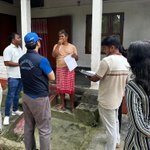
Access to assistive technology should not depend on where you live. Community-level assessments help identify people who may be missing out on essential assistive products and services, particularly in underserved and remote communities. Bringing services closer to people is critical to ensuring equitable access and enabling everyone to live with greater independence. For rapid Assistive Technology Assessment tool (rATA), check who.int/publications/i/item/… #EquityInHealth #AssistiveTechnology #LeaveNoOneBehind
56
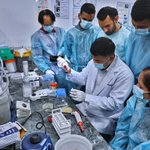
Laboratories are the foundation of effective AMR surveillance 🔬 Earlier this year, #Nepal’s National Public Health Laboratory (NPHL), with support from WHO and the Pandemic Fund, conducted a bacteriology training programme for laboratory professionals from provincial and district hospitals and Provincial Public Health Laboratories. The training built skills in: ✅ Bacterial culture ✅ Antibiotic susceptibility testing ✅ AMR data recording and reporting It is part of a national initiative to expand bacterial culture services at the subnational level, bringing quality diagnostics to underserved areas for more timely and reliable AMR detection and reporting. Let’s move from awareness to action. 🌍 #WAAW #AntimicrobialResistance #AMR #OneHealth #Nepal
1
1
5
577
“As a One Health challenge, AMR requires sustained collaboration across human health, animal health, agrifood systems and the environment. Governments must lead this response, working with communities, health professionals, veterinarians, farmers, researchers, civil society, the private sector and development partners.” - Dr Nilesh Buddha, Officer-in-Charge, WHO South-East Asia Region This #WorldAMRAwarenessWeek, WHO calls on all stakeholders to move from awareness to action: ✅ Accelerate implementation of commitments ✅ Invest in prevention ✅ Strengthen surveillance and laboratory capacity ✅ Safeguard antimicrobials through responsible use and stewardship Together we can build a healthier, safer and more sustainable future for everyone. 🌍 Read more: who.int/southeastasia/news/d… #WAAW #AntimicrobialResistance #AMR #OneHealth
1
1
8
534
World Health Organization South-East Asia retweeted
🌏 𝗛𝗲𝗮𝗹𝘁𝗵 𝘀𝘆𝘀𝘁𝗲𝗺𝘀 𝗮𝗿𝗲 𝗰𝗵𝗮𝗻𝗴𝗶𝗻𝗴 𝗳𝗮𝘀𝘁𝗲𝗿 𝘁𝗵𝗮𝗻 𝘁𝗵𝗲 𝗿𝗲𝘀𝗲𝗮𝗿𝗰𝗵 𝘁𝗵𝗮𝘁 𝘀𝗲𝗿𝘃𝗲𝘀 𝘁𝗵𝗲𝗺. At the 𝗜𝗻𝘁𝗲𝗿𝗻𝗮𝘁𝗶𝗼𝗻𝗮𝗹 𝗛𝗲𝗮𝗹𝘁𝗵 𝗖𝗼𝗻𝗳𝗲𝗿𝗲𝗻𝗰𝗲 𝟮𝟬𝟮𝟲 in Bangkok, #APO Director Dr Nima Asgari (@N_Asgari) delivered the opening keynote on 𝙂𝙡𝙤𝙗𝙖𝙡 𝙏𝙧𝙚𝙣𝙙𝙨 𝙞𝙣 𝙃𝙚𝙖𝙡𝙩𝙝 𝙋𝙤𝙡𝙞𝙘𝙮 𝙍𝙚𝙨𝙚𝙖𝙧𝙘𝙝 𝙖𝙣𝙙 𝙄𝙢𝙥𝙡𝙚𝙢𝙚𝙣𝙩𝙖𝙩𝙞𝙤𝙣 𝙎𝙘𝙞𝙚𝙣𝙘𝙚. 💡 𝗦𝗵𝗶𝗳𝘁 𝗳𝗿𝗼𝗺 𝗿𝗲𝘀𝗲𝗮𝗿𝗰𝗵 𝗳𝗼𝗿 𝗽𝗼𝗹𝗶𝗰𝘆𝗺𝗮𝗸𝗲𝗿𝘀 𝘁𝗼 𝗿𝗲𝘀𝗲𝗮𝗿𝗰𝗵 𝙬𝙞𝙩𝙝 𝗽𝗼𝗹𝗶𝗰𝘆𝗺𝗮𝗸𝗲𝗿𝘀. Ageing, climate change, AI, fiscal pressures and the changing status of health as a public good are placing simultaneous demands on health systems. Yet some of the most difficult challenges lie within the systems themselves: in the laws, budgets, procurement rules, workforce arrangements and institutional incentives that determine whether policies translate into services people can access. 💡 𝗧𝗵𝗲𝗿𝗲 𝗶𝘀 𝗮 𝗯𝘂𝗿𝗲𝗮𝘂𝗰𝗿𝗮𝗰𝘆 𝘁𝗵𝗮𝘁 𝗹𝗶𝗻𝗸𝘀 𝗽𝗼𝗹𝗶𝗰𝘆 𝘁𝗼 𝗽𝗿𝗮𝗰𝘁𝗶𝗰𝗲. Dr Asgari emphasized that health policy and systems research must look beyond identifying what works to understanding how change takes hold within those bureaucracies. Drawing on APO's research across Asia and the Pacific, he highlighted the need to better align research priorities with the practical challenges of implementing health system reforms. Thank you to the Institute of Nursing, Suranaree University of Technology and all participating co-host institutions from Thailand and Indonesia for bringing together researchers, educators and policymakers under the theme “𝘈𝘥𝘷𝘢𝘯𝘤𝘪𝘯𝘨 𝘏𝘦𝘢𝘭𝘵𝘩 𝘗𝘰𝘭𝘪𝘤𝘺 𝘛𝘩𝘳𝘰𝘶𝘨𝘩 𝘌𝘷𝘪𝘥𝘦𝘯𝘤𝘦, 𝘊𝘰𝘭𝘭𝘢𝘣𝘰𝘳𝘢𝘵𝘪𝘰𝘯, 𝘢𝘯𝘥 𝘐𝘯𝘯𝘰𝘷𝘢𝘵𝘪𝘰𝘯.” #Thailand #HealthPolicy #HealthSystems #HealthResearch #HPSR #ImplementationScience
2
4
278
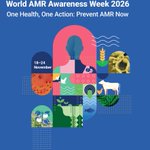
Antimicrobial resistance (AMR) isa global threat. 🌍 When drug-resistant microorganisms emerge and spread, they affect human health, animal health, food security, economies and sustainable development. This #WorldAMRAwarenessWeek, under the theme “One Health, One Action: Prevent AMR Now,” we are calling on everyone to do their part. Handle antimicrobials with care. 💊 #WAAW #AntimicrobialResistance #AMR #OneHealth
1
10
604
Palliative care services are essential to cervical cancer control. 💙 Management of symptoms, and of the social and spiritual needs of all women and their families living with cervical cancer, is crucial. Care must reach women at every stage, from prevention to treatment to end of life.
1
1
505
Cervical cancer can be cured. Regular screening, early diagnosis and prompt treatment save lives. #EndCervicalCancer
1
7
614
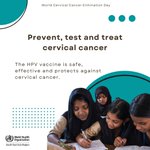
The HPV vaccine is safe, effective and protects against cervical cancer. 💉 Vaccinating girls from 9 - 14 years is one of the most powerful steps we can take to protect their future. #WorldCervicalCancerEliminationDay #HPV #EndCervicalCancer
2
1
12
633
Are you 30 or above? 👩🏾 Avail cervical cancer screening at your nearest health facility. Screening can find changes early, before they become cancer, and when treatment works best. If you know a woman in this age group, share this message with her today. Prevent, test and treat. #WorldCervicalCancerEliminationDay #EndCervicalCancer
1
7
505
Support access to HPV vaccines for girls and cervical cancer screenings for all women, including those in remote and hard-to-reach communities. #WorldCervicalCancerEliminationDay #EndCervicalCancer
1
5
479
Cervical cancer can be eliminated. Ensure everyone, everywhere, particularly the most vulnerable, benefits from HPV vaccines and cervical cancer screening services. Leave no one behind. #WorldCervicalCancerEliminationDay #EndCervicalCancer
4
593
Today is #WorldCervicalCancerEliminationDay. The case for action is clear: we have the tools to prevent cervical cancer, detect early and treat it. Women should not die from a disease that can be prevented. 💉 Ensure HPV vaccines for girls below 15 years 🩺 Ensure cervical cancer screenings for women after 30 years Prevent, test and treat. Together We Can Eliminate Cervical Cancer. #EndCervicalCancer
3
1
19
728
Choosing public transport means fewer vehicles on the road and cleaner air for everyone. 🚌 Reduce your exposure to air pollution: take the bus, metro or train when you can. #AirPollution #CleanAir
1
4
11
662
🧵 4/ #TimorLeste 🇹🇱 is strengthening diabetes care through a simpler approach to screening, treatment and follow-up at local health facilities. The progress so far: ✅ 250 health-care workers trained, including doctors, nurses and other health professionals. ✅ 4,125 people newly screened for diabetes. ✅ 571 people newly diagnosed with diabetes started on treatment following standard guidelines. ✅ More than 1 million doses of diabetes and high blood pressure medicines distributed to health facilities. People aged 30 and above visiting health facilities are offered diabetes screening. Simpler treatment guidelines, better availability of medicines and patient follow-up through a health passport and unique identification numbers are helping people stay connected to care. Community outreach is also helping take #diabetes screening and care beyond health facilities and closer to people's homes. 📖 Read more: who.int/southeastasia/public… #BeatNCDs #HealthForAll
1
4
12
633
How do we build health systems that prevent #diabetes and cardiovascular diseases, detect them early and ensure patients receive sustained, quality care? Addressing these noncommunicable diseases requires an integrated approach that #SEAHEARTS, WHO South-East Asia Region's flagship initiative, underpins. @WHOSEARO's op-ed in the @HealthPolicyW talks about the initiative's successes, touching the lives of more than 1.75 billion people across the Region. An outstanding example of how we can build health systems that address diabetes and other related conditions! ✍️🏾: healthpolicy-watch.news/seah… #beatNCDs #diabetes #CVDs #publichealth #HealthForAll
3
2
8
866
It takes two seconds to put on your seat belt, and it can save your life. 🚗 Your seat belt reduces the risk of a fatal injury. #RoadSafety #SaveLives
1
2
568