


chpa retweeted

🤣🥕 THIS LITTLE GIRL HAS THE WHOLE BARN TRAINED
She’s making her rounds delivering carrots to Peanut and his friends but it’s HOW she gets their attention that has me cracking up!
She walks right up to the stall and taps on the door with a carrot like she’s knocking on someone’s front door! 🤣🤣
“HELLOOO! CARROT DELIVERY! COME GET YOUR SNACKS!”🥕🐴
The little pigtails, the tiny hands and the confidence of someone who clearly runs the entire operation!
I could watch her all day! ❤️🤣
chpa retweeted
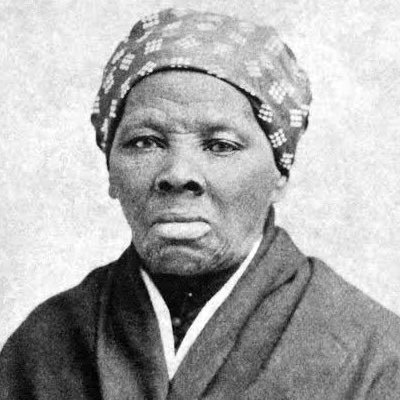
In 1944, during World War II, U.S. Army officer John Robert Fox demonstrated one of the most extraordinary acts of bravery recorded in military history.
Fox was serving with the 92nd Infantry Division, a segregated unit composed primarily of Black soldiers. He was assigned as a forward observer, a role that required him to identify enemy positions and direct artillery fire. This position was extremely dangerous because it placed him close to enemy forces while maintaining communication with Allied artillery units.
In December 1944, Fox was stationed in the village of Sommocolonia, Italy, when German forces launched a major attack. The enemy quickly advanced into the town, forcing Allied troops to retreat. However, Fox remained behind in his observation post to continue providing artillery coordinates.
As German soldiers moved closer and began occupying positions near his location, Fox continued to call in artillery strikes. Eventually, the enemy surrounded the building where he was positioned. At that point, escape was no longer possible.
Fox then made a critical decision. He requested artillery fire on his own position.
The officer receiving his transmission initially refused, recognizing that the strike would kill Fox. However, Fox insisted, emphasizing the urgency of stopping the German advance. His exact words were reported as a clear acknowledgment of the risk he was taking.
The artillery strike was carried out. The explosion destroyed the area, halted the German attack, and contributed to preventing further casualties among Allied forces and civilians.
John Robert Fox was killed in the strike.
For many years, his actions did not receive the highest level of military recognition. In 1997, more than five decades later, he was posthumously awarded the Medal of Honor after a review acknowledged that racial discrimination had delayed proper recognition of Black soldiers’ contributions during the war.
His actions are studied as an example of extreme sacrifice in combat. They also highlight the broader history of Black servicemen who carried out their duties under difficult conditions, both on and off the battlefield.
John Robert Fox’s decision was not symbolic. It was a calculated military action taken under pressure that directly impacted the outcome of the battle.

chpa retweeted

Malcolm X pictured with their daughters.
Malcolm X and his wife, Dr. Betty Shabazz, built a family together while living through one of the most turbulent periods in American history. They had six daughters: Attallah, Qubilah, Ilyasah, Gamilah, and twins Malaak and Malikah. Behind Malcolm's public life as a powerful voice for Black liberation was also a father who deeply valued his family and wanted a better future for his children.
The couple married in 1958, during Malcolm's years with the Nation of Islam. Their family life continued through his growing political influence, his break with the organization in 1964, and his transformation following his pilgrimage to Mecca. His evolving views increasingly connected the struggle of Black Americans with the wider international fight against racism and oppression.
On February 21, 1965, Malcolm X was assassinated at the Audubon Ballroom in New York City while preparing to address the Organization of Afro-American Unity. Betty was pregnant with their youngest daughters, the twins who were born later that year. She was left to raise six children without their father, while also facing the enormous responsibility of protecting his legacy.
Betty Shabazz went on to become an accomplished educator, earning a doctorate and teaching at Medgar Evers College in Brooklyn. She raised her daughters to understand their father's ideas and the importance of education, independence and community service. Several of the daughters later became authors, educators and public advocates, continuing aspects of their parents' work in their own ways.

chpa retweeted

An enslaved woman escaped from slavery by disguising herself as a wealthy white man.
Her own husband travelled beside her, pretending to be her slave. ⛓️
They even travelled in first class, stayed in good hotels and passed through several cities without being discovered.
Their names were Ellen and William Craft, and their escape became one of the most ingenious stories in American history.
It was December 1848. Both were enslaved in Macon, Georgia, and had spent years dreaming of freedom.
William came up with a plan that seemed almost impossible.
Ellen had light skin and could pass as a white person. So they decided she would disguise herself as a wealthy, sickly white plantation owner travelling north for medical treatment.
William would accompany her as her enslaved servant.
But there was one problem. Ellen couldn’t read or write, and a man travelling alone might be expected to sign documents.
They turned that weakness into part of the disguise.
Ellen wore a sling around her right arm, claiming she was injured, so she could avoid signing anything. She also wore green spectacles, cut her hair short, dressed in men’s clothing and wrapped cloth around her face to conceal her lack of facial hair.
She even pretended to be hard of hearing to avoid conversations that might expose her identity.
On December 21, 1848, they began their journey.
They travelled by train and steamboat through several slave-holding states. Ellen travelled in first-class accommodation as the supposed white master, while William had to occupy the separate, far less comfortable spaces assigned to enslaved passengers.
And the close calls were terrifying.
On one train, Ellen found herself sitting beside a man who knew her enslaver. She avoided recognition by pretending she couldn’t hear him.
During another part of the journey, a slave trader actually tried to buy William from her.
Imagine the tension. The man they were trying to escape from slavery was standing right beside them, while Ellen had to maintain the role of his owner.
Their final major obstacle came in Baltimore.
An official demanded proof that William legally belonged to Ellen before allowing them to continue towards Pennsylvania. For a moment, their entire plan seemed about to collapse.
But another railway employee intervened, and they were allowed to board.
On Christmas morning, December 25, 1848, they finally reached Philadelphia, a free state.
Ellen removed her disguise. The couple was free.
But their troubles weren’t over.
In 1850, the Fugitive Slave Act made it easier for enslaved people who had escaped to be captured even in free states. Fearing that they could be returned to slavery, Ellen and William eventually fled to England.
There, they continued speaking against slavery and sharing their extraordinary escape story.
They later returned to the United States after the Civil War and continued their work for education and equality.
Their story was so remarkable that William published an account of their escape in 1860, titled Running a Thousand Miles for Freedom.

chpa retweeted
Crispus Attucks, was the first person killed in boston Massacre of 1770, making him the first casualty of the fight for American independence. He became a matyr.
On March 5, 1770, Crispus Attucks became the first person killed during the Boston Massacre, an event that helped ignite the growing conflict between American colonists and British authorities.
Attucks, a man of African and Native American descent, was among a crowd of colonists gathered in Boston protesting the presence of British soldiers stationed in the city. Tensions between colonists and the British military had been rising for years due to heavy taxation, political disputes, and the enforcement of British laws in the American colonies.
On that evening, a confrontation broke out between colonists and British soldiers outside the Custom House. Amid the confusion and escalating tension, soldiers fired into the crowd. Five colonists were killed and several others were wounded.
Crispus Attucks was the first person struck by the gunfire, making him the first casualty of the Boston Massacre. Because the event became one of the most important turning points leading to the American Revolution, Attucks is often remembered as the first person to die in the struggle that eventually led to American independence.
Little is known about Attucks’ early life, but historians believe he was born around 1723 and may have escaped from slavery before becoming a sailor and dock worker. Like many laborers and sailors in Boston at the time, he lived and worked in a busy port city where political tensions and debates about liberty were common.
In the years that followed, the Boston Massacre became a powerful symbol used by colonial leaders to rally opposition against British rule. Engravings, pamphlets, and speeches spread news of the event throughout the colonies, helping to fuel revolutionary sentiment.
During the 19th century, particularly during the abolitionist movement, Crispus Attucks was remembered and honored as an early symbol of Black participation in the fight for freedom. Activists pointed to his sacrifice as evidence that people of African descent had played a role in the struggle for liberty from the very beginning of American history.

chpa retweeted
Sister Thea Bowman is in the final stage of becoming a Saint in the Roman Catholic Church. When that happens she will be the first African American woman to achieve sainthood status and only the third Black woman after St. Monica who died in the 4th Century AD and Sister Josephine Bakhita who died in 1947 to become a Saint.
Sister Thea Bowman is making history even before the Catholic Church has completed its process of recognizing her as a saint. An educator, gifted speaker, singer and advocate for racial justice, she dedicated her life to helping Black Americans feel fully represented and welcomed within the Catholic Church.
Born Bertha Elizabeth Bowman on December 29, 1937, in Canton, Mississippi, she was raised in a Methodist family. At just nine years old, she chose to become Catholic after being inspired by the faith and example of the Franciscan Sisters of Perpetual Adoration. In 1953, at the age of 15, she entered their religious community in Wisconsin, becoming its only Black American member at the time.
Sister Thea went on to earn a doctorate in English from The Catholic University of America in 1972. She became a teacher, scholar and influential voice in Black Catholic life, encouraging the Church to embrace Black American history, music, culture and spirituality. Her powerful presentations often combined preaching, storytelling and traditional spirituals. In 1989, she became the first Black American woman to address the United States Conference of Catholic Bishops, challenging church leaders to make the Church a home for people of every race and background.
Even after being diagnosed with breast cancer in 1984, she continued her ministry, speaking and inspiring others until her death on March 30, 1990, at age 52.
Her journey toward sainthood reached an important milestone in February 2026, when the Diocese of Jackson completed its investigation into her life and formally closed the diocesan phase of her canonization cause. The documentation was then prepared for review by the Vatican. She has the official title "Servant of God," but she has not yet been declared Venerable, beatified or canonized.
If canonized, Sister Thea could become the first Black American woman officially recognized as a Catholic saint. Her cause represents an important moment for Black American Catholics whose contributions and spirituality deserve greater recognition.

chpa retweeted

13,288 days till we meet the Vulcans. #StarTrek 🖖
chpa retweeted
In 1986 Photographer Tony Gleaton took this image of three Afro-Mexican sisters in Guerrero State, ironically the only state in Mexico named after the Afro-Mexican President of that nation, Vicente Guerrero. We use this photo as a reminder of the centuries-long presence of people of African ancestry in Mexico and of their significant role in both Mexican and U.S. history.

chpa retweeted

Congratulations Florida Rep Fiona Mcfarland, new Chair of House Education Cmte. Wrestling her four young kids is perfect training. @FionaForFlorida @FLGOPMajority

chpa retweeted

Don’t know what this means, but as far as I know, the OC boat has sailed…or been scuttled by NBC
This quoted post is unavailable.
chpa retweeted

1908年,13岁潘玉良被舅舅卖到妓院,妓院老鸨嫌她狮鼻、口阔、厚嘴唇,实在是长得太丑,根本吃不了这碗饭!
舅舅见状只好苦求将其留下,没想到却成就了她的一生伟业……
潘玉良原名陈秀清,1895年生在扬州一个贫苦人家,父母双亡后被舅舅收养,可那个舅舅是个赌徒,哪有什么亲情可言。
那几年,她活在舅舅的拳脚下,没过过一天安生日子。
到了十三岁,舅舅欠的债还不上,眼睛一斜,就打起了她的主意,连哄带骗把她带到了芜湖,想塞进妓院换几个钱。
1908年,潘玉良被舅舅卖了,但老鸨一看直摇头,站在一旁的舅舅急得直搓手,他原本指着这外甥女换几担米还赌债,没成想人家还不要。
眼看这买卖要黄,一直低着头的小姑娘突然“扑通”一声跪下,拽着老鸨的衣角说:“俺能干活,脏活累活都行,您就给口饭吃,留下俺吧。”
老鸨还是嫌她长得丑,怕砸了招牌,可舅舅实在走投无路,最后几乎是白送,才把她当作干粗活的丫头留了下来 。
打那以后,潘玉良就在妓院里烧火洗衣,干些没人愿意干的累活。
她人长得不起眼,可心里透亮,脑子也灵光。
闲下来的时候,就躲在帘子后面听那些姑娘弹琴唱曲,偷偷学,没几天竟然也唱得有模有样。
老鸨一看这丫头嗓子不错,倒是个能赚钱的,就让她改行做了艺妓,卖唱不卖身。
这一熬,就是四年。
1913年,潘玉良十八岁,这天妓院里来了个特别的客人。
新上任的海关监督潘赞化被当地官员硬拉来喝酒,满桌的人搂着姑娘寻欢作乐,只有他一个人端坐着,浑身不自在,眼里透着股厌恶。
潘玉良在风月场待了这么久,还没见过这样的男人。
轮到她献曲时,她抱着琵琶,唱了一曲《卜算子》,词里那句“不是爱风尘,似被前缘误”像是唱给自己听的,声音凄婉,眼神哀怨。
潘赞化抬起头,多看了她两眼,他觉着这姑娘身上的气质,和这乌烟瘴气的地方格格不入。
酒席散了,那些官员使坏,把潘玉良单独送到了潘赞化的住处,想用美人计拉拢他。
潘赞化一看就火了,让人把她送回去。
可潘玉良知道,这可能是她这辈子唯一逃出火坑的机会,她“扑通”一声又跪下了,哭着把自己的身世遭遇全抖了出来,求他收留。
潘赞化心软了,就把她留了下来,没当妾,只让她在身边做些杂事。
没过多久,潘赞化不顾世俗眼光,花重金替她赎了身。
当时的婚礼冷冷清清,只有一个人来当证婚人,那人就是陈独秀。
为了感激丈夫,她把姓也改成了潘,从此就叫潘玉良。
婚后的日子安稳了,潘玉良却没像别的姨太太一样只知道享福。
潘赞化教她识字读书,她学得飞快。
有一回,她趴在窗户上看隔壁的洪野先生画画,看得入了迷,回家就自己瞎比划着画。
洪野是上海美专的教授,一次偶然看到她涂鸦的东西,大吃一惊,这没拿过笔的女人,竟然画得很有灵气,当即决定收她当学生。
1918年,潘玉良凭着过人的天分,考上了上海美术专科学校,开始正儿八经学西洋画。
她进步神速,1921年,在潘赞化的支持下,她考取了官费留学,远渡重洋去了法国。
她和徐悲鸿成了同学,在巴黎国立美专、意大利罗马皇家画院一路苦修,作品开始在国际上拿奖,成了东方考入罗马皇家画院的第一人。
九年之后,潘玉良学成归国,被母校聘为教授,还兼任中央大学的教职,成了当时美术界数得着的女先生。
可名气大了,那些陈年旧事也被翻了出来。
有人在她画展上搞破坏,在她那幅歌颂抗日将士的油画《人力壮士》上贴纸条,写些“妓女对嫖客的颂歌”之类的脏话。
还有人当面挖苦她“凤凰死光光,野鸡称霸王”。
就连大太太也容不下她,拿她出身说事。
潘玉良心寒了,她不愿让丈夫夹在中间为难,1937年,她收拾行囊,再次登上了去法国的轮船。
这一走,就是四十年。
她在巴黎给自己定了“三不原则”:不谈恋爱,不改国籍,不和画商合作。
日子过得清苦,但她手里的笔一直没停。
她的画在法国、美国、英国到处展览,拿了二十多个国际大奖。
可无论得了多少荣誉,她心里惦记的还是那个再也回不去的家。
她屋里常年压着一张纸条,上头写着国内亲人的地址,怕自己哪天突然走了,朋友能帮忙寄封信回去。
1960年,潘赞化在国内病逝,潘玉良没能见上最后一面,听闻噩耗,她大病一场。
1977年,八十二岁的潘玉良在巴黎病逝。
临终前,她紧紧攥着当年结婚时的那块怀表和镶着俩人照片的项链,嘱咐朋友一定要把它们带回潘家。
她还说,死后给她换上一身旗袍,把她这辈子的画,全部运回祖国,“奉献国人”。


chpa retweeted

HAPPY THURSDAY! 🎉🇺🇸 Mississippi’s celebration continues!
🚨 FROM MILLSAPS TO THE U.S. SENATE! 😂🕺🏾
Senator-elect Scott Colom and his Alpha Phi Alpha brothers (DAS EFX!) are bringing the STEP SHOW to Washington, D.C.!
Those Senate hallways aren’t ready! 🤣🔥 #MILLSAPSCOLLEGE
#ScottColom #AlphaPhiAlpha #Mississippi
@TheBlackCaucus @isaiahrmartin @Bakari_Sellers @plies @CharlesMBlow @rolandsmartin @unclelukereal1 @JacksonStateU @millsapscollege
chpa retweeted

Upon consultation with the New York City Civil Court, DOI has instructed City Marshals to suspend all evictions scheduled for Friday, November 13th due to the outage affecting Microsoft systems and applications.
Read the memo here: bit.ly/4zmANmV

chpa retweeted

For twenty-two years she stood in front of high school classrooms in Houston and Dallas teaching French and Spanish.
She did not act full time until she was nearly fifty. The world did not know her face until she was sixty.
Irma P. Hall died on Tuesday. She was ninety-one.
Irma Dolores Player Hall was born in Beaumont, Texas in 1935. She started teaching in 1962 — languages, at Booker T. Washington High School in Houston and then James Madison High School in Dallas — and she kept doing it for more than two decades.
She did not leave teaching for acting until 1984. She was forty-nine.
Then in 1997 she played Josephine Joseph in Soul Food — Mother Joe, Big Mama, the grandmother holding a family together around a Sunday table — and became, more or less overnight, the grandmother of Black America. She was sixty-two.
In 2004 the Coen brothers cast her opposite Tom Hanks in The Ladykillers. She won a Special Jury Prize at the Cannes Film Festival for it.
And there is something about that year that almost nobody knows.
Shortly before that film came out, she was in a head-on crash in a Chicago snowstorm.
A broken rib punctured her aorta. She had emergency open-heart surgery. Her ankle was shattered and her arm was broken.
She was sixty-eight years old.
She recovered, and she went back to work, and she kept working into her eighties.
There is a particular thing she did that does not show up in a filmography.
She stayed in Dallas. She taught, mentored and worked with young Black actors in that city for decades, and a great many people there will tell you today that she was the first person who told them they could do it.
She spent her first career standing in front of children telling them what they were capable of.
Then she spent her second one playing the woman who tells you the same thing, to an audience of millions.
She was ninety-one, and she was a schoolteacher from Beaumont, Texas.

chpa retweeted

Bill Gates has called on business leaders to do their part to reduce planet-warming emissions.
But he owns a dominant stake in a landfill company that has lobbied against efforts to cut methane pollution in the waste industry.
propublica.org/article/bill-…

chpa retweeted
13,298 days till we meet the Vulcans. #StarTrek 🖖