

B9 Crypto Exchange成立于2019年,总部位于加拿大。在历经反复的打磨后,B9当前所拥有的数字资产交易系统、配套钱包安全密钥、全球实体商户数字货币支付、线上线下汇兑银行等成熟的产品线,发行币种:CNYB.FIFA.9B
Canada
Joined March 2010
- Tweets687
- Following48
- Followers6.1K
- Likes12





Cryptocurrency and NFTs are both based on blockchain technology. NFTs can be used to represent ownership of digital assets, and cryptocurrency can be used to purchase these assets. For example, someone could use cryptocurrency to buy an NFT representing a digital piece of art.
Historically, Bitcoin has had an inverse correlation with the U.S Dollar. Over the past month, this negative correlation has mostly disappeared amid a wider market rally
#B9
TG: t.me/B9CryptoCN

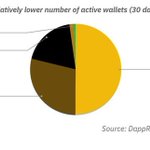
Looking at user metrics in the form of unique active wallets, we observe that OpenSea remained the top NFT marketplace by a large margin.
Blur, on the other hand, has >40% less in terms of absolute number of active wallets in the past 30 days
#B9
TG: t.me/B9CryptoCN


Comparison of the change in Bitcoin wallets over the course of the 2021-23 cycle shows that small entities, with < 50 BTC, have absorbed the largest volume of coins, sourced from Whales, Miners and Exchanges


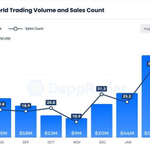
In February, Virtual worlds trading volume skyrocketed to $145 million, an increase of 226% from the previous month. Furthermore, sales count increased by 103.5% to 51,346, the highest number ever recorded

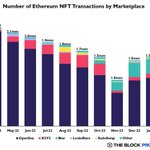
Blur's number of monthly transactions reached a pivotal inflection point, reaching 753.4K in February, up 134% MoM. On the flip side, OpenSea’s transactions count dropped to 718.1K, down 33.4% MoM

Are you confused about the differences between blockchain technology and Bitcoin? In this video, we'll break down everything you need to know.

In terms of daily volume, Trader Joe continues to separate itself from the pack as the largest DEX on Avalanche in February

In a clear sign that Silvergate's demise is disproportionately affecting U.S.-based exchanges/market makers, BTC and ETH depth in the USD market has improved on international exchanges in the past month while U.S. exchanges have become less liquid

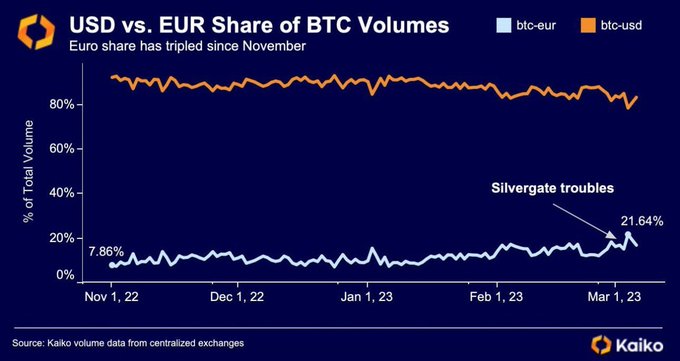
Euro share of BTC volumes has spiked in the last few days vs. USD. Up 3x since November as regulatory ambiguity continues to hurt the US
In a survey about the web3 security landscape, most of the whitehat hackers mention reentrancy (43.2%) as the most common vulnerability they come across when reviewing code, followed by access control (18.2%) and input validation (9.1%) with rest of the other vulnerabilities

Bitcoin correlation to the Nasdaq falls to 34%, the lowest since the Federal Reserve signaled hiking at the start of 2022.
This decorrelation could continue as the Fed rate hikes slow, further anchoring Bitcoin as an interest rate sensitive asset

Around 35% of projects in the crypto sector are headquartered in the United States, suggesting the country's dominance in the digital asset sector
