






𝙽𝙴𝚄𝚁𝙾𝙻𝙰𝙱 𝙰𝙸 𝙸𝚂 𝙱𝚄𝙸𝙻𝙳𝙸𝙽𝙶 𝙰𝙸 𝙵𝙾𝚁 𝙽𝙴𝚄𝚁𝙾𝚂𝙲𝙸𝙴𝙽𝙲𝙴 𝚁𝙴𝚂𝙴𝙰𝚁𝙲𝙷
Drug discovery is already difficult, drug discovery for the brain is even harder because researchers have to connect molecules, receptors, cells, neural pathways and brain regions before they can understand where a compound could be useful.
@NootropicsDAO_ is building a research agent that helps make those connections.
Here’s what they’re building, how it could be used in real research, and why the DeSci angle matters.
🧵

Bio Africa retweeted

He reveals deep and hidden things; he knows what lies in darkness, and light dwells with him. Daniel 2:22
Scientific singularity loading
Bio Africa retweeted

SRS and Eurospine, the classics, standed on same agenda this year. SpineDAO was there, Sydney and Gotenborg. While @VirginieLafage was holding the Australian gate, @BasselDiebo @GuillaumeLonjon and @CristiniJoseph5 illuminated Europe. So many little bit of something to come in next days. Stay tuned. Spine Care is about to change forever.
solana:spinezMPKxkBpf4Q9xET2587fehM3LuKe4xoAoXtSjR is on @solana, backed by @BioProtocol.


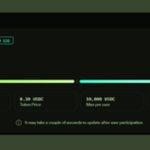
100% of the $NDT Ignition fundraising goal has been reached.
And now there’s less than 30 minutes left before the Ignition presale closes.
The @NootropicsDAO_ community clearly came in stronger than expected, and the team’s forecasting didn’t quite account for how bullish the community would be.
If you’ve been watching NeuroLab and were waiting until the final stretch, this is the window.
Less than 30 minutes remain before the Ignition closes.
Join while it’s still open: app.bio.xyz/agents/neurolab-…

What comes next for NeuroLab?
The $NDT Ignition is only one step in a much bigger roadmap.
@NootropicsDAO_ is building toward a research platform that moves from AI-powered brain inference to deeper, more accessible and collaborative drug discovery.
→ Platform Beta - structured evidence and inference reports.
→ Genesis → Commons - expanding from open exploration into agent access, research workflows and community-led discovery.
The roadmap currently spans 7 major releases, 19 initiatives and 7 technical domains, with development planned across Q3 2026 to Q1 2027.
The goal is simple: make complex CNS drug discovery easier to explore, investigate and build on.
Here's a review on the Roadmap:

The $NDT Ignition is approaching its final stretch, but the bigger story is what comes after it.
@NootropicsDAO_ is building an AI-powered system for CNS drug discovery, using a large biomedical knowledge graph to connect compounds, receptors, cells, brain circuits and potential cognitive effects.
The Ignition gives the project an important starting point, but the roadmap is where the product begins to take shape.
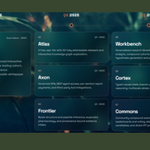
→ Atlas brings the knowledge graph into an interactive research environment
→ Axon expands access through APIs and agent integrations
→ Frontier moves toward novel structures, peptides and broader pharmacology
→ Workbench gives researchers tools to build libraries, investigate compounds and develop hypotheses
→ Cortex aims for deeper causal reasoning across the brain
→ Commons brings researchers and the wider community into compound discovery and collaboration
So the next phase is not simply about $NDT, It's turning the infrastructure NeuroLab has been building into tools that researchers can actually use, test and validate.
That is the part worth watching after the Ignition.
Join the $NDT Ignition: app.bio.xyz/agents/neurolab-…

Bio Africa retweeted

We’re live!
Come watch the NeuroLab demo, drop your questions in the chat, and let’s talk about what we’re building.
DeSci’s Drug Discovery OS. For the Human Brain.
xitter.cf/i/broadcasts/1qGoNYrmn…
Bio Africa retweeted
48 hours left in the $NDT Ignition presale. 69K to go.
NeuroLab. DeSci’s Drug Discovery OS. For the Human Brain.
Backed by @bioprotocol, @beakerDAO, and scientists from Harvard and Stanford.
Watch the demo. Join the Ignition:
app.bio.xyz/agents… xitter.cf/i/broadcasts/1qGoNYrmn…

Bio Africa retweeted
𝙰𝙵𝚃𝙴𝚁 𝚃𝙷𝙴 $𝙽𝙳𝚃 𝙸𝙶𝙽𝙸𝚃𝙸𝙾𝙽 𝚂𝙰𝙻𝙴, 𝚆𝙷𝙰𝚃’𝚂 𝙽𝙴𝚇𝚃 𝙵𝙾𝚁 𝙽𝙴𝚄𝚁𝙾𝙻𝙰𝙱?
The $NDT Ignition Sale is now behind us
But for NeuroLab, this is where the next phase begins
The sale was about bringing the project into the Bio ecosystem and giving the wider community a way to participate.
Now the focus shifts to the part that matters most: building and validating the product
The next step is Atlas
NeuroLab’s roadmap starts with Atlas, planned for Q4 2026.
The goal is to make its research system easier to access, with a free user tier and interactive exploration of its biomedical knowledge graph.
In simple terms, users should be able to explore how compounds, targets and different parts of the brain are connected without having to manually piece everything together.
Then comes Axon and Frontier
Axon is focused on APIs, MCP access and integrations with other tools.
That could allow NeuroLab to become part of wider research workflows rather than existing as a standalone application.
Frontier takes the research side further, with plans for novel-structure and peptide inference, expanded pharmacology and stronger evidence tracking.
This is where NeuroLab starts moving deeper into the actual drug-discovery process.
2027 gets even more ambitious
The roadmap then moves into Workbench, which is designed around personal research libraries, saved data, compound groups and hypothesis development.
After that comes Cortex, focused on deeper causal reasoning and mapping across the brain at multiple levels.
And finally, Commons brings the DeSci vision closer to the research process itself, with plans for community compound submissions, prioritisation and shared IP frameworks.
So the Ignition Sale was not the destination
It was the funding and ecosystem milestone before the more important work begins.
Now NeuroLab has to turn the roadmap into working tools, validate the technology and show researchers why this infrastructure is useful.
That is the phase worth watching next
You can explore and get more details here: launch.neurolabai.io/?view=r…
Bio Africa retweeted

“Science is really the engine of progress for civilization but that engine is kind of stalled a little bit. What we really need is open and permissionless science.”
Science should be open to anyone who wants to help move it forward.
That’s the idea behind Bio: open research networks where scientists steer AI agents, share evidence others can build on, and work with communities to fund and develop the science they care about.

“Science is really the engine of progress for civilization but that engine is kind of stalled a little bit.” — @paulkhls, DeSci Lagos 2025
Last year, we explored what happens when we rethink how science is funded, developed and shared.
But the conversation doesn't end with discovery.
What happens next?
This year, we're taking that question further. We are exploring how research can move from paper to product, and from potential to real-world impact.
At DeSci Lagos 2026, the conversation continues.
Stay tuned 👌
Bio Africa retweeted
New Milestone cleared!
53k USD and growing!
25% in less than 2 days
12 days to go!
Thank you everyone that has supported us so far 🤝.
WAGMI
app.bio.xyz/agents/neurolab-…

The $NDT sale is now officialy LIVE 🫡
app.bio.xyz/agents/neurolab-…
Bio Africa retweeted
𝙽𝙴𝚄𝚁𝙾𝙻𝙰𝙱 𝙰𝙸 𝙸𝚂 𝙱𝚄𝙸𝙻𝙳𝙸𝙽𝙶 𝙰𝙸 𝙵𝙾𝚁 𝙽𝙴𝚄𝚁𝙾𝚂𝙲𝙸𝙴𝙽𝙲𝙴 𝚁𝙴𝚂𝙴𝙰𝚁𝙲𝙷
Drug discovery is already difficult, drug discovery for the brain is even harder because researchers have to connect molecules, receptors, cells, neural pathways and brain regions before they can understand where a compound could be useful.
@NootropicsDAO_ is building a research agent that helps make those connections.
Here’s what they’re building, how it could be used in real research, and why the DeSci angle matters.
🧵
𝙴𝚇𝙿𝙻𝙾𝚁𝙴 𝙽𝙴𝚄𝚁𝙾𝙻𝙰𝙱
NeuroLab is still early, but the direction is clear.
AI helps researchers analyse and connect complex biological information.
Biomedical data provides the scientific foundation
DeSci & Web3 supports a more open and collaborative research ecosystem.
The bigger goal is to make neuroscience research easier to explore, easier to connect and easier to build on.
Explore the project and see what they’re building:
Launch Hub:
launch.neurolabai.io/
Bio Agent:
app.bio.xyz/agents
NeuroLab:
neurolabai.io/

𝚆𝙷𝙰𝚃 𝚆𝙴𝙱3 𝙰𝙽𝙳 𝙳𝙴𝚂𝙲𝙸 𝙰𝙳𝙳 𝚃𝙾 𝙸𝚃
This is where NeuroLab gets interesting from a Web3 perspective.
The project is being built within the Bio ecosystem and follows the broader DeSci idea of making scientific research more open and collaborative.
Its roadmap includes:
◉ Atlas → knowledge-graph exploration
◉ Axon → APIs and agent integrations
◉ Workbench → research libraries and hypothesis development
◉ Cortex → deeper whole-brain reasoning
◉ Commons → community compound submissions, research prioritisation and shared IP frameworks
So the Web3 side isn't simply about launching a token, it's more of building infrastructure around access, collaboration, contribution and ownership in scientific research.
That creates the possibility for researchers and communities to participate in the discovery process in new ways.

𝚃𝙷𝙴 𝙷𝙴𝙰𝙻𝚃𝙷𝙲𝙰𝚁𝙴 𝙱𝙴𝙽𝙴𝙵𝙸𝚃
This is bigger than helping researchers work with molecules.
NeuroLab's materials cite an estimated 3.4 billion people, around 43% of the global population, living with a nervous-system condition.
That means improvements in neuroscience research could eventually affect a very large part of the world's population.
Better research tools could help scientists explore more hypotheses, investigate compounds faster and uncover biological relationships that might otherwise take much longer to find.
The important word is potential
NeuroLab still has to prove how well the technology performs through real scientific validation.

𝚆𝙷𝚈 𝙴𝙰𝚁𝙻𝚈-𝚂𝚃𝙰𝙶𝙴 𝙳𝙸𝚂𝙲𝙾𝚅𝙴𝚁𝚈 𝙼𝙰𝚃𝚃𝙴𝚁𝚂
A lot of potential drugs never make it through development.
NeuroLab's published materials cite a 6.2% clinical approval success rate for CNS compounds, compared with 13.3% for non-CNS compounds.
They also cite more than 90% of CNS candidates entering first-in-human trials failing.
That makes the early stages of research extremely important.
Tools that help researchers investigate mechanisms, compare possibilities and identify weaker directions earlier could potentially save time and resources throughout the discovery process.

𝚆𝙷𝙰𝚃 𝚃𝙷𝙸𝚂 𝙻𝙾𝙾𝙺𝚂 𝙻𝙸𝙺𝙴 𝙸𝙽 𝚁𝙴𝙰𝙻 𝙻𝙸𝙵𝙴
Imagine a pharmaceutical researcher has a new molecule.
They want to know whether it could be relevant to a neurological condition, but there is not enough direct research on the molecule yet.
NeuroLab can help investigate its possible biological targets and trace those relationships through the brain.
For example:
Which receptors could it interact with?
Which cells are connected to those receptors?
What neural circuits could be involved?
Which brain regions may be affected?
Now the researcher has a clearer starting point for deciding what to test in the lab.
NeuroLab is not replacing the experiment
It is helping researchers decide which questions are worth testing.
