

✵𝐼𝑢𝑛𝑖𝑜𝑟𝑒𝑠 𝑒𝑡 𝑓𝑜𝑟𝑡𝑖𝑠𝑠𝑖𝑚𝑖 𝑣𝑒𝑠𝑡𝑟𝑖 𝑔𝑙𝑎𝑑𝑖𝑜 𝑐𝑎𝑑𝑒𝑛𝑡✵
Hell's Kitchen, Manhattan
Joined June 2016
- Tweets28K
- Following2.9K
- Followers1.4K
- Likes83.8K


♧♣︎ retweeted

Let's clear up the lies about what happened in Batumi last night.
Both UEFA and Georgia's Ministry of Internal Affairs officially confirmed the clashes were NOT about a Palestinian flag. UEFA stated that the incident which halted the match started when police stepped in to stop a fight among the Turkish fans themselves. Even before that, Turkish fans were causing provocations in the city and destroying stadium infrastructure. 3 Georgian officers were injured restoring order.
Look at the contrast. When Beşiktaş played Maccabi in Hungary earlier, they were forced to play behind closed doors for security reasons. Georgia showed respect, opened its doors, and let Turkish fans support their team live. This is how they repaid our hospitality.
I know ultras culture well, and this is the first time I have ever seen "ultras" pick a fight with police and then run crying for help at the presidential level. And frankly, they had no right to wave a Hamas flag here anyway. Our country, our rules. Wave whatever flag you want in Istanbul.
Credit to the small minority of Turkish commenters who reacted reasonably. Sadly, the vast majority chose to insult Georgia, which only exposes their own ignorance. 🇬🇪

♧♣︎ retweeted

في فيلم «العراب: الجزء الثاني» (The Godfather Part II)، يقرر فيتو كورليوني قتل دون فانوتشي، الرجل الذي كان يخشاه معظم سكان الحي الإيطالي في نيويورك.
لكن هناك سؤال لم يقدّم الفيلم إجابته كاملة:
كيف عرف فيتو، وهو شاب فقير لا يمتلك نفوذ أو رجالًا مسلحين، أنه يستطيع قتل رجل يعتقد الجميع أنه زعيم مافيا دون أن يتعرض للانتقام؟
المثير أن الإجابة موجودة في رواية ماريو بوزو الأصلية، وتكشفها أيضًا مشاهد حُذفت من النسخة السينمائية.
والتفصيل الأهم مرتبط بندبة غريبة على عنق فانوتشي.
إليكم القصة:
1- الرجل الذي كان يخشاه الجميع.
في أحداث الفيلم، يعيش فيتو كورليوني في حي «ليتل إيتالي» بمدينة نيويورك خلال بدايات القرن العشرين.
هناك يفرض دون فانوتشي إتاوات على أصحاب المتاجر والأنشطة غير القانونية، ويهدد من يرفض الدفع.
كان الناس يتعاملون معه باعتباره رجل خطير يمتلك علاقات قوية بالمافيا.
لكن فيتو لم يكتفِ بما يقوله الناس عنه.
بدأ يراقب تصرفاته، ويقارن بين سمعته وما يفعله على أرض الواقع.
ومع الوقت، لاحظ تفاصيل جعلته يشك في حقيقة قوته.
2- الندبة التي كشفت سر فانوتشي.
في أحد المشاهد المحذوفة، تظهر خلفية الندبة الموجودة على عنق فانوتشي.
وهي حادثة يرويها ماريو بوزو في الرواية الأصلية.
فقد تعرض فانوتشي لهجوم من 3 شبان، وتمكنوا من جرح عنقه جرحًا طويلًا امتد من جهة إلى أخرى.
لم يكن الجرح عميقًا بما يكفي لقتله، لكنه ترك أثرًا واضحًا.
وشاهد فيتو فانوتشي وهو يهرب من مهاجميه والدم يسيل من رقبته.
لكن ما أثار انتباه فيتو لم يكن الهجوم نفسه.
بل ما حدث بعده.
3- انتقام لم يكتمل.
بحسب الرواية، انتقم فانوتشي من أحد الشبان الذين هاجموه.
أما الشابان الآخران، فقد قبل تعويضًا ماليًا من عائلتيهما مقابل عدم الانتقام منهما.
بالنسبة إلى معظم الناس، ربما كان ذلك دليلًا على أن فانوتشي رجل خطير استطاع فرض شروطه.
لكن فيتو قرأ الموقف بطريقة مختلفة تمامًا.
فهو يعرف كيف يتصرف زعماء المافيا الحقيقيون.
وقد شاهد في طفولته بصقلية كيف يمكن أن يؤدي تحدي أحدهم إلى تصفية عائلة بأكملها.
ولهذا أدرك أن رجلًا يمتلك نفوذًا إجراميًا واسعًا لن يسمح، وفق المنطق الذي يعرفه فيتو، بشراء الانتقام منه بهذه السهولة.
كان فانوتشي قادرًا على تخويف الناس.
لكن هل كان يملك فعلًا القوة التي يدّعيها؟
4- فيتو يبدأ باكتشاف الخدعة.
في الرواية، يواصل فيتو مراقبة فانوتشي.
ويلاحظ أمرًا أكثر أهمية.
كان يعرف نشاطًا للقمار لم يدفع الإتاوات لفانوتشي، ومع ذلك لم يتعرض صاحبه لأي عقوبة.
وهنا بدأت الصورة تتضح.
لو كان فانوتشي يملك شبكة قوية من رجال المافيا، فلماذا يتسامح مع من يرفض الدفع؟
ولماذا يقبل المال بدل الانتقام ممن حاولوا قتله؟
ولماذا يعتمد إلى هذا الحد على التهديد والسمعة؟
بدأ فيتو يعتقد أن قوة فانوتشي الحقيقية أقل بكثير مما يتصوره الناس.
وربما لم يكن سوى رجل يستغل الخوف المحيط باسمه، ويستعين بمسلحين مأجورين عند الحاجة.
5- جملة محذوفة تفسر عقلية فيتو.
في مشهد محذوف آخر، يقول فيتو لجينكو عبارة تحمل معنى مهمًا:
«في بلدتي، إذا هاجمت رجلًا، فعليك أن تنهي الأمر معه».
هذه الجملة ليست مجرد تهديد.
إنها تكشف الطريقة التي يفكر بها فيتو، والتي تشكلت نتيجة ما عاشه في صقلية.
فهو يعرف أن زعماء المافيا الذين يملكون سلطة حقيقية لا يتعاملون باستخفاف مع محاولات قتلهم.
ولهذا كان قبول فانوتشي بالتعويض المالي علامة ضعف في نظره، لا علامة قوة.
6- لماذا قرر فيتو قتله؟
عندما طلب فانوتشي نصيبه من الأموال التي حصل عليها فيتو ورفيقاه، أدرك فيتو أن أمامه خيارين.
إما أن يستمر في دفع الإتاوات لرجل لا يحترمه.
أو أن يختبر استنتاجه بأن فانوتشي لا يمتلك الحماية التي يتظاهر بها.
اختار فيتو الخيار الثاني.
وفي مشهد شهير من الفيلم، يتعقب فانوتشي خلال احتفالات الحي، ثم يقتله داخل المبنى الذي يسكن فيه.
لم يكن القرار خاليًا من المخاطر، لكنه لم يكن اندفاعًا عشوائيًا أيضًا.
كان مبنيًا على مراقبة طويلة واستنتاج أن سمعة فانوتشي أكبر من نفوذه الحقيقي.
وبعد مقتله، لا يظهر ذلك الانتقام الواسع الذي كان سكان الحي يتوقعونه.
وهنا يبدأ صعود فيتو كورليوني.
7- التفصيل الذي يغيّر فهمك للشخصية.
قد يبدو قتل فانوتشي في الفيلم مجرد لحظة يتحول فيها فيتو من شاب فقير إلى رجل عصابات.
لكن الرواية تمنح المشهد معنى أعمق.
ففيتو لم يتفوق على فانوتشي لأنه كان أقوى منه جسديًا، أو لأنه امتلك رجالًا أكثر.
بل لأنه لاحظ التناقض بين ما يدّعيه الرجل وما يستطيع فعله.
كان الآخرون يرون فانوتشي من خلال سمعته.
أما فيتو، فحاول أن يعرف من يكون فعلًا.
وهذا الفارق هو أحد الأسباب التي تجعل شخصية فيتو كورليوني مثيرة للاهتمام.
الخلاصة:👇🏾
♧♣︎ retweeted

Around 865 tombstones of Roman soldiers mention their place of origin.
"The median journey from home to stone is 674 km, and 68% are more than 500 km. Many lines run to Rome and the Bay of Naples, where the emperor’s guard and the fleet at Misenum drew men from Egypt, Thrace, Syria and Pannonia."


♧♣︎ retweeted
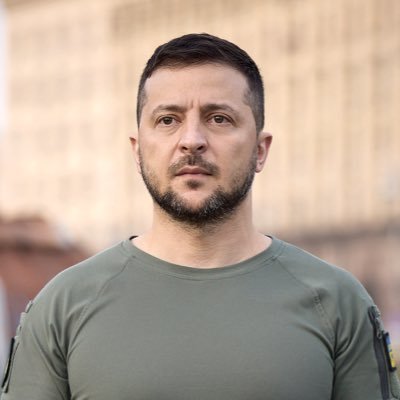
I believe the current negotiating team wants to end the war as quickly as possible. In our case, we wanted it ended yesterday. In my view, the American team wants to get it done by December or January. And we very much want that too, but I made it clear that this must not happen solely at Ukraine’s expense. If the Russians continue to feign amnesia and feed us historical background instead of results from the negotiations, then the moment will come when there is a new political reality in the United States of America.
We will continue doing everything we can to end the war. But at the same time, we will certainly engage with both parties in the new Congress, call for sanctions against Russia, and seek support for us. It is simply impossible without that. If the Russians do not want to end the war, they must be forced to do so. If someone cannot force them, then someone else must. And so, different conditions or different people must come into play. Or there must be such strong support for Ukraine and such strong sanctions against Russia that they send a signal to the Russians that it is time to sit down and bring this to an end.
From an interview with Bloomberg. (3/3)
♧♣︎ retweeted

Model of Eastern Georgians with Early Iberian Kingdom samples (~300 BCE) and additional source populations.
For Early Iberians I used KHS001, ERK001, IGT003, NSK006, NSK007 individuals.
Andi represents a proxy for Nakh-Dagestani ancestry. Nakh ancestry is more relevant for Eastern Georgian genetics but there is no aDNA strongly confirmed to be associated with historical Nakh populations.
Armenian Antiquity is represented by 3 samples from Sarukhan.
Altaian is an umbrella for all East Asian ancestry that may have arrived from Mongols, Kipchaks, Huns and similar peoples.


♧♣︎ retweeted

Cool LARGE image of a poster covering every major lineal title change of Heavyweight Champs & their opponents—from John L. Sullivan's bare-knuckle reign in 1882 through the Marquis of Queensberry era up to Floyd Patterson in 1957.


♧♣︎ retweeted

Alors on va arrêter tout de suite les gauchistes avec cet argument fallacieux.
Être blanc en Europe n’est PAS un privilège. Être chez soi, dans son pays, est NORMAL.
Un privilège, c’est un droit supérieur qui est accordé par la simple vertu d’un statut. Être blanc en Europe n’est pas un régime de faveurs, c’est la normalité. Ce n’est donc pas un privilège.
Vous n’avez JAMAIS à vous justifier d’être blanc, ni à reconnaître un quelconque “privilège” parce que votre existence dans le pays de votre peuple n’est en rien un avantage : c’est la normalité.
L’idée même de “privilège” blanc relève du racisme anti-Blancs parce qu’elle suppose un avantage ontologique indu qui est inexistant.
Il faut faire preuve d’un degré de perversité morale et de manipulation sophistique qui touche à l’excrémentiel pour prétendre qu’un homme sur la terre de ses ancêtres bénéficie d’un régime de faveur quelconque. Imaginez le niveau de saloperie morale qu’il faut posséder pour mettre en accusation des gens qui sont simplement chez eux.

♧♣︎ retweeted
"I always had a fear that if I cut loose I might kill somebody. I never hit as hard as I could in a fight and when I saw I had my man going I tried to hit just hard enough to finish him without doing too much damage." - James J. Jeffries
Unfortunately best remembered for his 1910 defeat at the hands of Jack Johnson, James Jackson Jeffries defended his title seven times before he retired undefeated in 1905, including two knockout victories over former champion James J. Corbett.
Jeffries was also an all around natural athlete. Standing 6 feet 2 inches, weighing 217-218 pounds at his peak, and having incredible strength of bone, he once killed a large deer and carried it on his shoulders nine miles to camp without stopping to rest. He was surprisingly fast and agile too. He could run 100 yards in 11 seconds, and high jump 5 feet, 10 inches. Consider that track and field legend Jesse Owens broke a world record in 1935 when he ran the 100-yard dash in 9.4 seconds.
Jeffries was the ultimate man's man of any century, assured in his own prowess without being arrogant or boastful. In 1904, months after he had won the Colored Heavyweight title, Jack Johnson purportedly cornered Jeffries in an attempt to pressure Jeff into a title shot. Jeff, well aware of the politics of such a match at the time, drew the color line.
But he offered an alternate option. Jeffries told Johnson in dead seriousness, "There's a cellar in this place. Tell you what I'll do. I won't meet you in the ring because you got no name and we wouldn't draw flies. But I'll go downstairs with you and lock the door on the inside. The one who comes out with the key will be the champ." Johnson reportedly refused and walked out.
🤖 Made with AI


♧♣︎ retweeted

Pendant l'Occupation, son visage est placardé par les nazis, sous les mots « Juif typique ».
Lui a fui à temps. On le retrouve à Hollywood, dans Casablanca.
Il naît Marcel Blauschild le 23 novembre 1899, à Paris, rue de la Bûcherie. Ses parents, juifs d'origine roumaine, sont maroquinier et domestique.
Il prend un nom de scène, Marcel Dalio. Et devient l'un des visages du grand cinéma français.
En 1937, il est Rosenthal, le fils de banquiers juifs de La Grande Illusion, de Jean Renoir. Le prisonnier qui s'évade avec Jean Gabin.
En 1939, il est le marquis de La Règle du jeu.
En 1940, l'armée allemande entre en France. Dalio s'enfuit avec sa femme, l'actrice Madeleine Lebeau.
Lisbonne, puis le Mexique avec de faux visas chiliens, puis le Canada. Enfin les États-Unis.
À Paris, les occupants se servent de ses photos de cinéma pour leurs affiches antisémites.
À Hollywood, il décroche un petit rôle. Le croupier du café de Rick, dans Casablanca. Sa femme y joue Yvonne.
Le film remporte l'Oscar du meilleur film. L'enfant de la rue de la Bûcherie joue dans l'un des films les plus célèbres de l'histoire.
Les membres de sa famille restés en France meurent dans les camps nazis.
Il rentre en France en 1945. Il reprend sa carrière, des deux côtés de l'Atlantique.
En 1973, le visage que les nazis affichaient comme « Juif typique » fait rire la France entière.
Il est Rabbi Jacob, le vrai rabbin du film de Gérard Oury, face à Louis de Funès.


