

A citizen science wildlife survey helping people run camera traps from the beaches to the mountains of North Carolina. See Wildlife. Do Science!
Raleigh, NC
Joined August 2016
- Tweets736
- Following117
- Followers748
- Likes764

Earth Day is coming up! Don't forget to show your appreciation for the natural world @NCWildlife @NorthCarolinaEE

We rarely get reptiles on camera, but it seems we caught a turtle on camera in Moore County! @NCWildlife
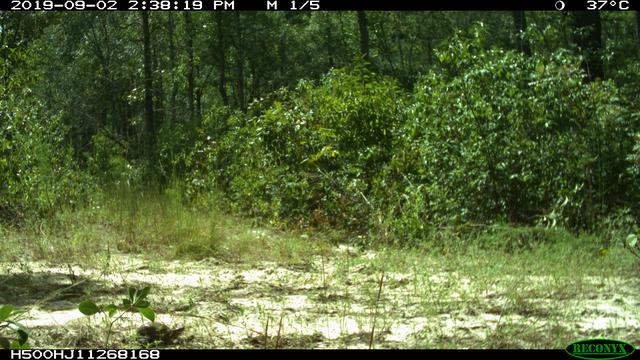
#SmallDiscoverySunday Check out our new Tableau viz for all of @CandidCritters data! @NCWildlife
public.tableau.com/profile/m…

Shout out to all the wonderful mothers out there! (White-tailed deer, Sampson County, NC) @NCWildlife


NC Candid Critters retweeted
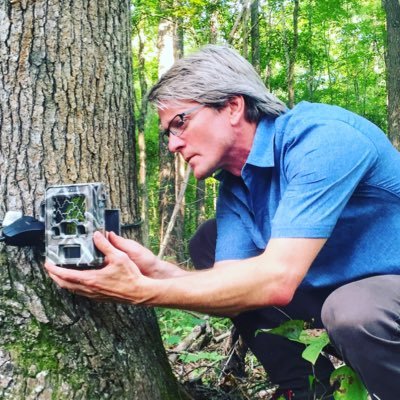
Today we published a paper @AnimalConserv finding that pet cats have an ecological impact 4-10X that of a wild predator, although mostly within 100m of their house. (1/n)
drive.google.com/file/d/1HZ0…

Great example of a button buck, aka a male fawn less than six months old starting to show "buttons" of his new antlers (white-tailed deer, Craven County, NC). @NCWildlife

4
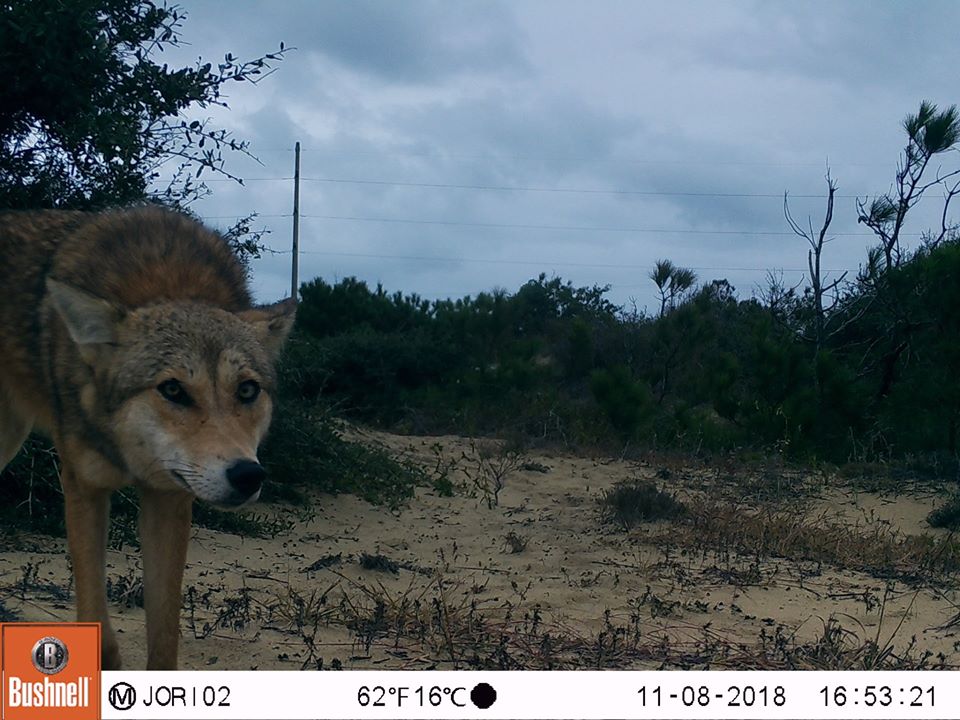

If you look closely at this deer's antlers, you might notice they look a little odd. According to our deer experts at @NCWildlife, this buck appears to be experiencing "antleroma", a condition characterized by abnormal antler growth.

4
Northern raccoons are habitat generalists, meaning they can live in a variety of areas. Commonly found in forests, this species also thrives around agricultural fields, in swamps, and even in cities (Macon County, NC) @NCWildlife


Newborn white-tailed deer fawns weigh about as much as a house cat when they are born - approximately 4-8 pounds with really, really long legs! (doe and fawn, Transylvania County, NC) @NCWildlife

Even though some animals - including opossums - are nocturnal, that doesn't mean they can't be active in the day. (Virginia opossum, Madison County, NC) @NCWildlife


Deer with spotted coloring are referred to as "piebald". This type of coloration is only seen in approximately 2% the white-tailed deer population (buck, Pender County, NC) @NCWildlife

Fox squirrels = large, commonly be observed with a black pattern around their face (as seen below). Also frequently have a rust-colored belly, while gray squirrels have a white belly and a tail that appears to be frosted in white (Robeson County, NC). @NCWildlife
