
Investor & Underqualified Polymath https://xitter.gq/t.co/6bIasXFcjK All thoughts are my own, Not investment advice
NYC
Joined September 2024
- Tweets285
- Following380
- Followers196
- Likes681




Pinned Tweet
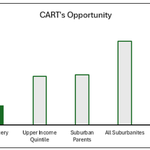
eGrocery is likely winner-takes-most and $CART's large-basket flywheel gives it the right to win. I see a path to ~30% 3yr IRR
New Instacart $CART memo and model up on the Substack: substack.com/home/post/p-193…

1/ Great article, $WISE not withdrawing is odd but I'd emphasize that the OCC decided to make decisions public as of Jun'26. WISE is the 1st decision to be published since the change and perhaps the communication to applicants changed as well as an effort to show the new baseline

Wise $WSE fell 10% on Friday morning after the OCC denied its US bank charter. $WISE
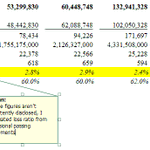
I spent the day going through the regulator's letter, the comparison set of 19 applicants, and everything else you need to know about today’s event.
Six things the coverage is getting wrong 👇🏻 (share this with everyone following Wise)


1/ This article provides a helpful mental model for thinking about an industry's vulnerability to AI disruption. Key indicators of potential disruption below:
1. Breadth of available data
2. Availability of clearly defined SOPs
3. (Continued below)...
a16z.com/where-enterprises-a…


Interesting analysis of how wealth inequality is really power inequality, and is a constant tug of war between politicians and the wealthy
capitalgains.thediff.co/p/me… via @byrnehobart

Bezos in '02 (paraphrased): "It's one thing to take data and do backward looking data mining... but this doesn't help with feedback loops. Owning the data allows for experiments with results clear within hours"
Essentially, controlling data expedites learning curve progression
Bezos labeled this as "a really big point that most people miss." Link below, ~20min mark
youtube.com/watch?v=J2xGBlT0…
Improving shortfall rates by shedding problematic clients is a phenomenal example of exploiting survivorship bias; EY should take responsibility for their shortfalls, and seek to improve their practices, rather than ignore complicated situations
wsj.com/articles/inside-eys-…
1/4: I’ve been studying serial acquirers for a few months and I’m beginning to view hurdle rate discipline as the most crucial (& underappreciated) component of the biz model; acquirers need decentralization and strict subsidiary WACCs incentivize capital to be pushed upwards...