

Working on creating better, more beautiful places to live in.
Brooklyn, NY
Joined September 2018
- Tweets12.6K
- Following502
- Followers63.6K
- Likes36.7K






Pinned Tweet
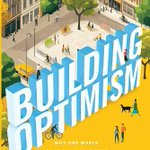
It's a hopeful work about our ability to create places today that are as good as have ever existed. Our best days are not behind us. All it takes is a little bit of Optimism to get started!
Check out the link on Amazon below!!
shorturl.at/2sOW0
Coby retweeted

If you truly *love* American cities, you MUST support strict enforcement of laws against anti-social behavior. Paying bus fares, red light cameras, camping on sidewalks, smoking on trains, off-leash dogs, etc etc
If people want to do whatever they want, that’s FINE in the suburbs or the country on your own land. But it, fundamentally, cannot work in our densest places where people all have to co-operate in proximity.
If we do not, it means cities will continue to be primarily for those able to avoid the annoyances ... the wealthy and/or child-free.

If we don’t change this … in 40 years we will look back on allowing dogs in downtowns the same way we look at cars:
As a terrible mistake for how it molded dense urban environment for the benefit of a few ... by not properly pricing in public costs of the "free rider" dog owners and by changing the entire culture to accommodate them.
My fear is by then (like with cars today) there will be too many ppl accustomed to the private benefits and impunity of living downtown with their dogs so we're only able to make marginal changes
And that negative downstream effects (fewer kids, playgrounds, dirty sidewalks, dog attacks) will be baked in
American transit is not serious, even in the “best” region for it in the country.
No trains from just after 4 o’clock, despite there being hundreds of people commuting back from a big event that just ended, but they cluster 4 trains in 9 minutes an hour later.


I love cities. I love books. I love lists of books.
To honor these loves, I've made a list of my favorite books about cities, design, and development. Some favorites below!

To see the full list, check out the article below!
What am I missing? What should I add to my to-read-list?
buildingoptimism.substack.co…
No booklist on cities would be complete without Building Optimism, of course.
If you've not already read it, I can assure you with full impartiality, it scores very high on these sorts of lists!
amazon.com/dp/B0DJV2WLXR?lv=…


The Upper West Side represents, to me, the peak of America. Of our confidence, gloriously embodied in homes & then towers whose aesthetic peaks are without peers. I’m always inspired here.
Sadly, it also shows the loss of that confidence, of forlorn blocks and barren facades.


The more I travel, the clearer it becomes that New York isn't the best in the world. It falls far behind other cities on really key things
But "best city" isn't measurable. It's all fueled by narrative, so all a city needs to do to become the best is for enough people to say so

This narrative is driven primarily by fashionable, wealthy, celebrity types, who rave about the city's amenities and disseminate their beliefs to a far broader audience who are seduced by the glamour (not what Daniel's saying at all, just used his post to make a broader point!)
This counter proposal is lovely, and totally in keeping with New York’s character.
We’ve basically built it before at Tudor City!


Really enjoyed my conversation with Lewis on whether or not we can build beautiful places again, and if so, how we might be able to afford them!
Check it out below!

Can we afford to build beautifully?
I believe that decades of inflation and failed fiscal policy have forced the real estate industry into short-termism. Viability is so tight that developers find themselves with two options: hike prices, or squeeze every possible cost out of a building’s design, materials and, ultimately, its soul.
While I think we all innately feel like the modern built environment is lacking something, this idea was explained in a book I’m reading called The Great Wave.
In it, the author David Hackett Fischer investigates the major price fluctuations in history. These are waves of high inflation - socially and politically corrosive - followed by price equilibrium.
Fischer shows how these waves leave their mark on our buildings. He describes the windows of price stability as fertile ground for building – and, I'd argue, for a kind of speculation that wouldn't be possible during inflation.
The churches, homes and civic buildings of those periods capture the optimism and prosperity of their time, evoking emotion through beautiful architecture that we prize and go to great lengths to preserve.
I’m writing a separate essay on this idea that will be published shortly. As part of the research for the piece, I wanted to speak to people in real estate who may not share this monetary thesis, but who are vocal about current development.
@Cobylefko is an urbanist, real estate developer, lecturer and author of Building Optimism: Why Our World Looks the Way It Does, and How to Make It Better.
Here's a short trailer from our discussion on creating beautiful buildings: structures that aren’t just aesthetically pleasing, but that meet our needs in different and harder-to-name ways.
Coby is an old romantic in a world of yields, and IRR, and price per sq ft. That’s not to say he’s naïve; listen and you’ll hear a commercially savvy operator, but he’s also alive to what we lose when we settle for - in his words - “sad and dreary places”.
Coby retweeted

Can we afford to build beautifully?
I believe that decades of inflation and failed fiscal policy have forced the real estate industry into short-termism. Viability is so tight that developers find themselves with two options: hike prices, or squeeze every possible cost out of a building’s design, materials and, ultimately, its soul.
While I think we all innately feel like the modern built environment is lacking something, this idea was explained in a book I’m reading called The Great Wave.
In it, the author David Hackett Fischer investigates the major price fluctuations in history. These are waves of high inflation - socially and politically corrosive - followed by price equilibrium.
Fischer shows how these waves leave their mark on our buildings. He describes the windows of price stability as fertile ground for building – and, I'd argue, for a kind of speculation that wouldn't be possible during inflation.
The churches, homes and civic buildings of those periods capture the optimism and prosperity of their time, evoking emotion through beautiful architecture that we prize and go to great lengths to preserve.
I’m writing a separate essay on this idea that will be published shortly. As part of the research for the piece, I wanted to speak to people in real estate who may not share this monetary thesis, but who are vocal about current development.
@Cobylefko is an urbanist, real estate developer, lecturer and author of Building Optimism: Why Our World Looks the Way It Does, and How to Make It Better.
Here's a short trailer from our discussion on creating beautiful buildings: structures that aren’t just aesthetically pleasing, but that meet our needs in different and harder-to-name ways.
Coby is an old romantic in a world of yields, and IRR, and price per sq ft. That’s not to say he’s naïve; listen and you’ll hear a commercially savvy operator, but he’s also alive to what we lose when we settle for - in his words - “sad and dreary places”.