

Cardano SPO & DRep · CRICH 🇰🇷 0% margin · NightForce Corporate Strategy Lead · Global Banking BBA · MA, Political Science
Korea
Joined October 2022
- Tweets347
- Following374
- Followers239
- Likes4.7K

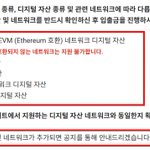


현재 업비트에서 내 카르다노 지갑으로 에이다(ADA) 100만 원 이상은 못 보냅니다. 2027년 2월부터는 1원도 못 보내구요.
업비트 개인지갑 목록 : 메타마스크, 카이아, 팬텀, 폴카닷, 케플러.
카르다노 지갑은 지원하지 않습니다.
그래서 다들 계정주 확인 시스템이 연계된 해외 거래소(바이낸스, OKX Gate io 등)를 억지로 가입해서 거쳐 가거나, USDC로 바꿔 브리지 타고 다시 ADA로 스왑하는 실정입니다.
FATF 권고 규정은 '본인 소유지갑임이 확인되면 입출금 가능'인데, '이 지갑앱만 된다'는 거래소가 정한 목록일 뿐입니당.
여기에 기회가 있습니다.
1. 유저 : 해외 거래소 가입 없이 내 지갑에서 스테이킹 풀 위임, 거버넌스(DRep 위임 등) 활동 가능.
2. 거래소 : 지갑 리스팅을 늘릴수록 "여기는 개인지갑 입출금 자유롭게 된대 !" 입소문나는 차별화 포인트를 얻게되고,
3. 이터널·레이스 : 한국 거래소와 트래블룰 대응을 공식으로 같이 개발하면서 한국 점유율 가져갈 절호의 기회라는 점. (요로이도 마침 문 닫았고요)
4. 과세 당국 : 해외 반출은 이런 방식(positive식 선별)으로 막는다고 막아지지 않는 법. 오히려 개인지갑을 화이트리스팅하면 자산 흐름이 투명해져서 과세 표준 잡기가 쉬워집니다. 미국은 2029년에야 코인 과세 정보 교환에 참여한다는데, 해외 거래소로 나간 코인보다 국내에서 확인된 지갑이 백번 낫겠죠? 코인 과세가 언제 시행되든(지금 또 유예 논의 중) 이런 사업이 미리 깔아 둘 '과세체계 및 인프라'라고 사료됩니다. @anyangmin
모든 주체 입장에서 기회가 눈에 보이는데 아무도 안 하는 이유? 첫 번째 몰라서. 두 번째 나태해서임. 시장성장과 양성화, 이용자를 생각한다면 진작 누가 먼저랄 것도 없이 추진했을 것임.
그래서 오늘 DRep으로서 이터널·레이스에 제안서 보냈습니다. 한국 쪽 일(조사·번역·거래소 미팅)은 제가 맡습니다.
@eternlwallet @lace_io @Official_Upbit @BithumbOfficial @CoinoneOfficia @IOHK_Charles @IOGroup @lace_io (내가 볼 땐 코인원은 물불가릴 때가 아니라 이런거부터 개발해야되는디...)

Fair point on the SPO cost side, that's exactly what I flagged in the post. One correction though: NIGHT isn't minted. Rewards come out of a fixed reserve (25% of a capped 24B supply), same model as Cardano's 45B cap. Circulating supply grows, total supply doesn't.
Exactly. That's the part I want to raise on the MIP: something like minPoolCost for Midnight, so even 0% margin pools can afford to validate.
It's the whitepaper's reward formula, step by step: reserve × yearly rate, then divided by the ADA in participating pools. All the assumptions are in the post.
Thanks. Quick English summary for anyone picking this up: Upbit's approved self-custody list has MetaMask, Phantom and Keplr, but no Cardano wallet. So Korean holders can't send more than ₩1M (about $700) of ADA to their own wallet, and from February 2027 not even that.
I sent a proposal to Eternl and Lace at their official emails on Nov 2. No reply yet. This is a small fix once any one party takes it on: the exchange, a wallet team, or the Foundation bridging the two.
For ADA to work in Korea, and be valued here as an asset, finding and fixing pain points like this is the job for those of us behind the scenes.
Are you with the Cardano Foundation, by the way? Either way, happy to DM you the proposal.
CRICH on Cardanoscan: cardanoscan.io/pool/pool1ezm…
Rewards for this block reach delegators on Nov 11.

CRICH minted its first block today, in our first epoch with active stake.🎉🎊
Nine days in:
5.76M ADA staked
2.09M ADA in DRep voting power, rank 134 of 1,693
Thank you to everyone who delegated. More voting power gives our DRep proposals more weight.🫡🫵
Thank you for the shout-out, that's really kind. More Midnight math coming as the parameters land.🙏🙏
Thanks, appreciate it! NIGHT staking is still a draft (MIP-0016, roadmap Q1 2027), so this is just how I'd frame it:
APY ≈ π × (share of block rewards going to NIGHT stakers) ÷ (share of circulating NIGHT that's staked)
Neither the split nor π is published yet. At π = 4%, with half the rewards going to NIGHT stakers and half the supply staked, you get 4%. So 3.5% looks reasonable to me. It only drops if a much bigger share of NIGHT stakes than the share of rewards it gets.
On the ADA side, my numbers come to about +1.3% at today's prices.
출처 : 미드나잇 토크노믹스 백서 v1.81(5장 블록 보상·6장 배분표), MIP-0024 초안(github.com/midnightntwrk), cexplorer 풀 그룹·은퇴 풀 집계(11.4일)
CRICH 풀 운영방(카톡 오픈채팅, 별도 인증 없음) : open.kakao.com/o/graPJ7Ti
(저는 먼저 개인 메시지를 보내지 않습니다.)

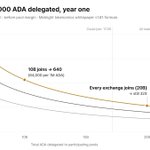
100만 ADA를 미드나잇 참여 풀에 위임하면 1년에 NIGHT가 6만 개쯤 나옵니다. ADA 보상은 ADA 보상대로 그대로 받구요.
1만 ADA면 640개, 보수적으로 잡아도 500개 내외로 예상해봅니다.
다들 "ADA랑 NIGHT 둘 다 받는다"고만 하지 몇 개인지 계산해서 내놓은 데는 없길래, 미드나잇 백서(v1.81) 공식에 직접 넣어봤습니다.
1. 재원 : NIGHT 240억 개 중 25%인 60억 개가 블록 보상 리저브. 매년 남은 리저브에서 일정 비율씩 풀리는데, 그 비율이 Ra = π(1−B−T)/B = 2.8π 입니다. (π = 초기 인플레이션율)
2. π : 백서엔 "이더리움·카르다노 초기보다 낮고 경제학자들이 건전하다고 보는 수준"이라고만 써있습니당. 근데 초기 보조율을 95%까지 올려둔 걸 보면 일단 블록 생산자부터 끌어오겠다는 설계라 4%로 잡았구요. (요즘 채권 금리 보면 4~5%가 뉴노멀 같기도 하고..?) 그럼 첫해 6.7억 개가 풀리고 생산자 몫이 약 6.4억 개로 볼 수 있슴다.
3. 분모 : 결국 엔빵이라 SPO들이 얼마나 '덜 참여하느냐'가 관건입니다. 현재 스테이킹된 ADA 215억 개 중 은퇴 풀에 묶인 게 1.3억, 거래소·커스터디 풀이 약 38억(업비트만 5.1억), 100만 개 미만 소형 풀이 3~4억. 이거 빼면 172억인데, 미드나잇 노드는 서버가 하나 더 드는 일이라 첫해엔 100억 정도만 들어온다고 봤습니다. (cexplorer 그룹 집계 기준, 11.4일)
4. 결과 : 6.4억 ÷ 100억 = ADA 1개당 연 0.064 NIGHT. 1만 ADA면 640개, 100만이면 6.4만 개. 극단적 보수시나리오를 가정(거래소까지 다 들어오는 경우)해서 200억개가 돼도 1만 ADA당 NIGHT 320개 정도는 됩니다.
돈으로 치면 지금 시세(0.042달러)로는 ADA 보상에 1.3%p 얹히는 정도인데, NIGHT가 0.065달러만 가도 기존 스테이킹 수익이 딱 2배가 됩니다. (물론 NIGHT가 잘 된다는 가정 하에 말이죠)
음 여기서 검토해야 할게 하나 있습니다.
NIGHT는 풀 크기 상관없이 ADA당 똑같이 나와서, 위임자 입장에서 풀 선택 기준은 마진율이 유일해지는데요, 그럼 풀 선택할 때 "미드나잇 블록생성 참여 + 마진 0% 설정" 풀인건데, 이게 또 마진이 0%면 SPO(운영자) NIGHT 몫도 0이라 서버비를 자기 돈으로 메워야 합니다. 저는 괜찮은데(이와중에 어필;;) 이러면 참여하는 SPO가 많이 나올 수가 없는 구조라 지속가능경영으로 보여지진 않거든요. 노드를 소유한 자본력있는 풀들만 참여하고, 그쪽으로만 위임이 쏠리면 결국 위임자도, 생태계도 모두가 안 좋기 때문이죠.
카르다노가 minPoolCost로 소형 풀 운영자를 지켜준 것처럼, 미드나잇도 이런 장치가 없으면 검증자가 거래소·대형 풀로 쏠릴 거라 봅니다. (MIP 쪽에 제안해볼 생각입니다.)
PS : CRICH 풀은 미드나잇 앰배서더(NightForce)로서 SPO 등록 열리는 날 바로 들어가고, 마진 0%라 NIGHT도 100% 위임자 몫입니당. 소식은 위임자분들께 제일 먼저 전하겠습니다.
π랑 참여 물량 둘 다 아직 확정 전이라, 숫자 나오면 같은 공식에 갈아끼워서 다시 올리겠습니다. :)👋🫵
@MidnightNtwrk @midnightfdn @IOHK_Charles @IOGroup (100만 ADA 거래소에 묵혀두신 분들.. 그거 NIGHT 나와도 거래소 몫인디...)

Rahul, more detail won't fix this, because the core question still isn't answered.
1. Whoever the payer is, the state or a defence lawyer, it's the party that wants paid verification because of a dispute. The open question is whether they will actually pay. Nothing so far shows that.
2. You call e-Sakshya and PFMS different tracks, but you haven't shown why a second track is needed. Evidence delays happen even with e-Sakshya, and the government is already linking police, forensics, prosecution and courts through ICJS. Where is the evidence that a record anchored on a public blockchain would actually remove those delays? You describe the pain point, then your solution, and connect the two without showing the link. That isn't demand validation, and I'm not convinced.
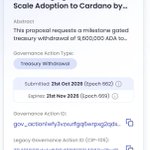
3. This isn't about the amount. Whether it were 1M ADA or 10M ADA, a treasury withdrawal that promises to pay the treasury back needs a profitability case the community can agree on. Without that, it's hard to support.
4. The burden of persuasion is yours. So far the pattern has been: I ask, you answer part of it; I ask again, the answer moves somewhere else. That's how the core keeps getting lost. Make the full case yourself, on the points I raised from day one.
The longer this goes, the more it sounds like a case for a bank loan or private investors, not the treasury.
Two more gaps.
6. The sample. How was the 50,000-case sample built: random or selected, which districts, years and case types? How were delay causes coded, and what went into the "verification" bucket: lab reports, expert opinions, document checks, record integrity? A public-chain hash only answers whether a record was altered after it was anchored. Your model needs that slice pinpointed inside the 40%, not the whole bucket.
7. Your own track record. FMS has run in Uttar Pradesh on mainnet since September 2025 (Catalyst Fund 12, 550K ADA). How many verification requests did it get, from whom, and did anyone pay? Real data beats any model. The F12 proposal projected about 1M transactions a year; mainnet shows about 156K by late October.
Thanks, Rahul. This is the first methodology I've seen, and it isn't in the anchored proposal. Five gaps remain.
1. What did "verification" mean in those 50,000 records? If the delay was waiting for forensic or expert reports, a hash on Cardano doesn't shorten it. A hash only proves a record wasn't altered. How much of the 40% was an actual integrity dispute?
2. Demand isn't payment. If state agencies verify at every stage of the lifecycle, the state is the payer. Is per-request payment written into the signed agreement?
3. The base is still 290,000 cases a year. Telangana registered 228,695 in all of 2025.
4. e-Sakshya already gives each item a hash, timestamps and geo-tags, keeps it in immutable storage, sends it to the courts and generates the Section 63 certificate. So what PFMS adds is the outside anchor. India also has its own national blockchain stack, Vishvasya (MeitY, 2024). If a state wants an anchor, that's a ready substitute. That's the threat analysis I asked about.
5. The BSA recognises hash values, not where they're anchored. Is there a ruling or notification that names a Cardano reference?
Usage and certificates are good for Cardano, but the only money that comes back to the treasury is verification revenue. Put the method, the payment terms and the EOIs in an on-chain summary, and tie the last tranche to paid verification. Then I'd look again.
One more. Have you studied India's new criminal laws, BSA and BNSS, in force since July 2024? The same reform came with the government's own evidence app, e-Sakshya, launched by the Home Minister in August 2024 and in use at 15,899 police stations by February 2026.
Did you run a threat analysis on that? If the state makes its own system the standard, your selling point is gone. Your 54-page proposal doesn't mention e-Sakshya once.