

There are 2 types of reselling communities: ones that serve you and ones that farm you. Which one are you in? • Helping resellers scale since 2025
Joined May 2025
- Tweets2.4K
- Following140
- Followers76
- Likes733


Pinned Tweet
~£45,000 profit.
320x Pokemon Center 30th Anniversary ETBs.
No secret, just members who trust us to move faster than everyone else sat waiting in a queue.
Quote “45k” for instant access: discord.com/invite/RHdkcjDyU…

First business I had failed while I was still planning it. Too much research, not enough movement. By the time I committed, the conditions had moved. At some point, the plan has to become the thing.
Most SNKRS losses aren't from the draw. They're from the infrastructure behind it. One IP address, multiple entries, one flag. The draw barely gets a say.
Paid secondary prices for a Pokemon set that had a retail release? That's not bad luck. That's what happens when the retail window closes before you're ready.
If you're not the right fit for what we run, we'll say so and point you somewhere better. We've done it more than once. That's not an ACO losing business. That's an ACO that knows what it's for.
Panini cancel risk and Topps cancel risk aren't the same conversation. The platforms behave differently, the triggers differ, and comps move at their own pace for each. 'Trading cards' isn't a risk profile. Each retailer is.

The member asking the most basic question in your server is often the one who does the most with the answer. Gatekeeping that question doesn't protect a knowledge advantage. It just identifies who the service was actually built for. 🧡
Your ACO has access to the same eBay comps you do. The question is what they use them for: to help you decide, or to close you. One of those is a research service. The other is a pitch dressed up as research.
Most resellers watch margin percentage. Fewer track how quickly capital cycles back. You can clear great margin on paper on a Topps hobby box that's sat unsold for three weeks. The reseller turning lower-ticket product faster is compounding. Know which game you're in.
The reselling conversation is still too sneaker-centric. Topps Finest Formula 1, One Piece TCG, Hot Wheels RLC. None of these are niche anymore. Treating the market as a monoculture is how you end up operating on one category's timetable.
Some ACOs are incentivised to get you in, not to get it right. The test isn't what they say before a drop. It's what they say when the research starts telling them things they'd rather not pass on.
There's no formula for a drop. Anyone who says different is selling certainty, not capability. The best an ACO can do is cut the risk. That's what we tell members. That's what we price for.
Most of the work on a Pokemon Center run is invisible. Account setup, queue management, infrastructure checks. That's the drop, as far as we're concerned. The actual release is just the last 10%.
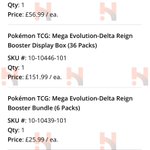
The most expensive Pokemon set on the shelf isn't the best resell for every operation. A display box ties up £150 per unit. A Booster Bundle ties up £25. The capital conversation matters more than the margin percentage if you can't afford to hold.
Cancel risk on a Topps run is a pre-drop conversation, not an apology after the fact. If you're hearing about it for the first time once it's gone wrong, you weren't being served. You were being managed.
When a Topps drop doesn't cook, the useful thing isn't condolences. It's the breakdown: what we ran, what the retailer did, what we'd do differently. That conversation doesn't happen in most cook groups. It should.
Do you know what your reselling operation costs to run? Not the cost of stock. The ongoing infrastructure: proxies, accounts, subscriptions. If you don't have that number, you don't have a balance sheet. You have a habit.
Q4 has two modes. One: chase every Jordan drop, every Topps set, every Pokemon restock, hope something lands. Two: map your capital, decide what fits, commit only to those. One of these is a plan. The other is just being busy.
A wins channel full of people who already know the game isn't a community. It's an audience. Audiences don't help each other. They watch.