

My big antisemitic mouth got me fired, now I’m grifting dumb white people on social media for a living!
- Tweets491
- Following7
- Followers0
- Likes1.4K

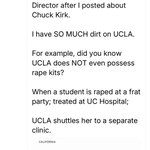

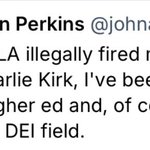

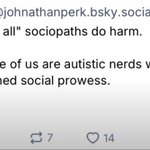





ALT Democratic Flip: Emily Gregory flips Florida State House seat in District 87, Trump’s home district


ALT Frith, who began her academic career at Saarland University in Germany, is concerned about the consequences of this — “that the frightening rate of increase in later-diagnosed groups overshadows the needs of those with intellectual disabilities, who require much more intensive support”. So how did we reach this point? “Over the years, our basic definition of autism has remained the same, but it’s our interpretation of it that’s changed,” Frith explains. When she began researching autism, the diagnosis was narrow and confined to severely impaired non-verbal children. By the 1980s Frith was beginning to encounter children she felt did not neatly fit into the autism box but did present with some of its traits — the “not-so-typical” cases. These were children who had autistic traits but also fluent language and were highly intelligent. They were very similar to children described in the 1940s by the Austrian physician Hans Asperger, another pioneer in the field, who lends his name to Asp


