

CJNM is devoted to communicating among pharmaceutical and medicinal plant scientists to advance research in natural medicines and traditional Chinese medicines.
Washington, DC
Joined October 2023
- Tweets995
- Following319
- Followers454
- Likes484

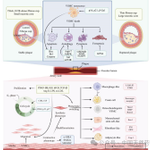

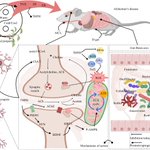


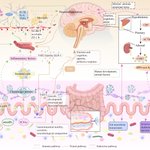

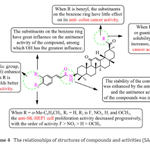
A mitochondrial cleanup route against Alzheimer’s inflammation! 🌿🧠
Researchers at Central South University reveal how icariin (ICA), a major bioactive flavonoid from Epimedium, may protect the Alzheimer’s brain by enhancing PINK1-associated mitophagy.
In preclinical models, ICA improved cognitive deficits, restored mitochondrial membrane potential, reduced excessive mitochondrial ROS, and dampened microglial inflammatory activation. It also suppressed NLRP3 inflammasome activation, GSDMD-related pyroptotic changes, and the release of IL-1β and IL-18.
When mitophagy was inhibited or Pink1 was knocked down, these protective effects were weakened—highlighting mitochondrial quality control as a key part of ICA’s neuroprotective mechanism.
From clearing damaged mitochondria to calming neuroinflammation, this study opens a promising natural-product direction for Alzheimer’s disease research!
Full article: doi.org/10.1016/S1875-5364(2…
#AlzheimersDisease #Icariin #Mitophagy #PINK1 #Neuroinflammation #Microglia #NaturalProducts #CJNM

2
22
Beyond cholesterol: targeting the cells that shape atherosclerotic plaques! ❤️🌿
Researchers at China Pharmaceutical University review how natural compounds may combat atherosclerosis by targeting vascular smooth muscle cells (VSMCs)—key players in plaque formation, vascular remodeling, and calcification.
From proliferation and migration to differentiation, senescence, and cell death, VSMC behavior can profoundly influence disease progression. The review maps natural compounds and their molecular targets across these processes, with particular attention to VSMC metabolism and multi-target regulation.
By putting vascular smooth muscle cells at the center of the story, this review highlights a promising natural-product strategy for future anti-atherosclerotic research.
Full article: doi.org/10.1016/S1875-5364(2…
#Atherosclerosis #VSMCs #CardiovascularDisease #NaturalProducts #VascularBiology #DrugDiscovery #CardiovascularHealth #CJNM

1
54
Milk thistle meets mitochondrial medicine! 🌿🧠
Researchers at China Pharmaceutical University and collaborators reveal how silibinin meglumine (SM), derived from the milk thistle compound silybin, may help counter hepatic encephalopathy by protecting mitochondrial function.
In experimental models, SM lowered blood ammonia, improved liver function, and reduced inflammation and oxidative stress. Mechanistic studies pointed to UCP2 as a key molecular target, with SM modulating the UCP2/PINK1/Drp1/MFN2/LC3B pathway to improve mitochondrial function and restrain excessive mitophagy.
By linking a natural product derivative to mitochondrial quality control, this study opens a new mechanistic direction for hepatic encephalopathy research!
Full article: doi.org/10.1016/S1875-5364(2…
#HepaticEncephalopathy #Silibinin #UCP2 #Mitochondria #OxidativeStress #Mitophagy #NaturalProducts #CJNM

1
34
Can TCM’s “warm” and “cold” properties be explained biologically? 🌿🧠
Researchers at Heilongjiang University of Chinese Medicine and collaborators combine data mining, network pharmacology, and multi-omics to explore how traditional medicinal properties may shape therapeutic effects in Alzheimer’s disease.
In AD rat models, three hot/warm-property herbs showed greater improvements in cognition, learning, and memory than three cold/cool-property herbs. Multi-omics analyses linked these effects to enhanced acetylcholine synthesis, improved energy metabolism, reduced oxidative stress, restored synaptic plasticity, and better gut microbiota homeostasis.
By translating a traditional TCM concept into measurable biological signatures, this study offers a modern framework for understanding how medicinal properties may influence Alzheimer’s disease treatment.
Full article: doi.org/10.1016/S1875-5364(2…
#AlzheimersDisease #TCM #MultiOmics #GutMicrobiota #Neuroprotection #Metabolomics #TraditionalMedicine #CJNM

2
35
A natural switch against liver fibrosis! 🌿🧬
Researchers at Shenyang Pharmaceutical University and collaborators reveal how gypensapogenin I (GI), a triterpenoid saponin from Gynostemma pentaphyllum, may combat liver fibrosis by directly targeting MST1.
In preclinical models, GI reduced liver injury, inflammation, collagen deposition, and hepatic stellate cell activation. Mechanistically, it binds MST1 at the key Arg181 residue, reactivating Hippo signaling and promoting YAP inactivation.
Strikingly, knocking down MST1 abolished GI’s antifibrotic effect—confirming MST1 as an essential functional target.
From natural product to precise molecular target, GI offers a promising new lead for liver fibrosis research!
Full article: doi.org/10.1016/S1875-5364(2…
#LiverFibrosis #GypensapogeninI #MST1 #HippoPathway #NaturalProducts #HepaticStellateCells #DrugDiscovery #CJNM

1
25
A marine-inspired weapon against drug-resistant bacteria! 🌊🦠
Researchers at the Shanghai Institute of Materia Medica, Chinese Academy of Sciences, and collaborators have developed a series of phidianidine derivatives to tackle methicillin-resistant Staphylococcus aureus (MRSA).
Among them, compound 24a stood out with potent anti-MRSA activity (MIC = 1.5 μg/mL) and low toxicity toward HeLa cells. It also inhibited biofilm formation and attacked bacteria by disrupting their cell membranes.
Inspired by marine alkaloids and refined through function-oriented synthesis, these molecules offer a promising new scaffold for antibiotic discovery—and a fresh strategy against antimicrobial resistance!
Full article: doi.org/10.1016/S1875-5364(2…
#MRSA #AntimicrobialResistance #MarineNaturalProducts #Antibiotics #Phidianidines #DrugDiscovery #NaturalProducts #CJNM

27
When the gut helps protect the brain after stroke! 🧠🌿
Researchers at the China Academy of Chinese Medical Sciences and collaborators reveal how Astragalus polysaccharide (ASP) may alleviate ischemic stroke injury by reshaping the microbiota–gut–brain axis.
In mouse models, ASP reduced brain injury and intestinal barrier dysfunction, enriched SCFA-producing and anti-inflammatory bacteria, and suppressed LPS–TLR4–MAPK signaling. Antibiotic and fecal microbiota transplantation experiments further showed that its neuroprotective effects were microbiota-dependent.
The study connects Astragalus, gut microbes, intestinal inflammation, and brain injury—highlighting the microbiota–gut–brain axis as a promising direction for ischemic stroke research.
Full article: doi.org/10.1016/S1875-5364(2…
#IschemicStroke #Astragalus #GutBrainAxis #GutMicrobiota #Neuroprotection #NaturalProducts #TCM #CJNM

1
1
39
From the gut to the brain: how saponins may protect neurological health! 🌿🧠
Researchers at Guangzhou University of Chinese Medicine and collaborators review how saponins—major bioactive compounds found in Traditional Chinese Medicine—may exert neuroprotective effects by targeting the gut–brain axis.
From reshaping gut microbiota and short-chain fatty acids to regulating immune, inflammatory, neural, and neuroendocrine signaling, saponins appear to act across multiple interconnected pathways linking the intestine and brain.
By bringing together emerging evidence across neurological diseases, this review highlights the gut–brain axis as a promising route for understanding—and potentially harnessing—the neuroprotective actions of saponins.
Full article: doi.org/10.1016/S1875-5364(2…
#Saponins #GutBrainAxis #NeurologicalDiseases #GutMicrobiota #Neuroprotection #TCM #NaturalProducts #CJNM

2
56
Can a natural compound slow kidney aging? 🌿🧬
Researchers at Southern Medical University and collaborators reveal how hederagenin, a naturally occurring pentacyclic triterpenoid, may help counter renal senescence in diabetic kidney disease (DKD).
Hederagenin reduced renal senescence, fibrosis, and DNA damage in experimental models while restoring Klotho expression. Mechanistically, it directly targets DNMT1, reduces its recruitment to the Klotho promoter, and suppresses abnormal DNA hypermethylation—reactivating this key anti-aging protein.
By connecting a natural product with epigenetic regulation, the study uncovers a DNMT1–Klotho axis that could open new directions for DKD research!
Full article: doi.org/10.1016/S1875-5364(2…
#DiabeticKidneyDisease #Hederagenin #Klotho #Epigenetics #DNMT1 #KidneyHealth #NaturalProducts #CJNM

1
53
Licorice-inspired double strike against colorectal cancer! 🌿🧬
Researchers at Lanzhou University have developed guanidyl-containing glycyrrhizin derivatives designed to tackle colorectal cancer from two directions—suppressing tumor-cell proliferation while dampening HMGB1-driven inflammation in the tumor microenvironment.
Compound 23 emerged as the standout candidate, showing strong activity against CT26 cells (IC₅₀ = 1.1 μmol·L⁻¹), promoting apoptosis and G₂/M cell-cycle arrest, while reducing HMGB1/RAGE signaling and inflammatory mediators including TNF-α, IL-6, IL-1, and COX-2.
In animal models, compound 23 also reduced tumor volume and weight in a dose-dependent manner.
By combining direct antitumor action with control of tumor-associated inflammation, this glycyrrhizin derivative offers a promising lead for future colorectal cancer drug development!
Full article: doi.org/10.1016/S1875-5364(2…
#ColorectalCancer #Glycyrrhizin #HMGB1 #CancerResearch #TumorMicroenvironment #NaturalProducts #DrugDiscovery #CJNM

3
50
Fourteen new molecules from soft coral! 🌊🧪
Researchers at Ocean University of China and collaborators have discovered 14 new dolabellane-type diterpenes—clavukellines A–N—from the soft coral Clavularia koellikeri.
Their structures and absolute configurations were established using NMR, HR-ESI-MS, ECD simulation, and DP4+ analysis. Preliminary pharmacological tests revealed anti-inflammatory activity in compounds 8 and 13, while all 14 compounds showed antithrombotic activity.
A striking glimpse into soft corals as a reservoir of structurally diverse natural products—and promising leads for future inflammation and thrombosis research!
Full article: doi.org/10.1016/S1875-5364(2…
#MarineNaturalProducts #SoftCoral #Diterpenes #AntiInflammatory #Antithrombotic #DrugDiscovery #NaturalProducts #CJNM

2
37
When depression amplifies herbal toxicity! ⚠️🌿
A new CJNM study reveals that depression can markedly worsen the neurotoxicity of Gelsemium elegans and its indole alkaloids gelsemine and humantenmine in mouse models.
The mechanism traces back to the gut–liver axis: depression reduces Clostridium abundance and lithocholic acid (LCA), weakening PXR activation and hepatic CYP3A11 expression. This impairs alkaloid detoxification, increases systemic exposure, and intensifies neurotoxicity.
Restoring Clostridium or LCA alleviated the toxicity—uncovering a striking link between depression-associated gut microbiota changes, drug metabolism, and herbal safety.
Full article: doi.org/10.1016/S1875-5364(2…
#GelsemiumElegans #Depression #GutMicrobiota #Neurotoxicity #DrugMetabolism #PXR #Toxicology #CJNM

1
21
One enzyme, many natural products! 🧬🌿
Researchers have identified PamUGT, a highly versatile glycosyltransferase from Phytolacca americana—the first triterpenoid-active glycosyltransferase reported from Phytolacca species.
PamUGT glycosylates the 28-/30-COOH positions of pentacyclic triterpenoids, with a preference for C-30 when both sites are available. Even more strikingly, its substrate scope extends beyond triterpenoids to flavonoids, diterpenoids, alkaloids, and phenolic acids.
A promiscuous “sugar-stitching” enzyme with exciting potential for natural-product modification and biocatalytic synthesis!
Full article: doi.org/10.1016/S1875-5364(2…
#PamUGT #Glycosyltransferase #Glycosylation #NaturalProducts #Biocatalysis #Triterpenoids #PhytolaccaAmericana #CJNM

1
24
Ancient Rhubarb, modern answers for kidney fibrosis! 🌿
A new CJNM review explores how Rhubarb (Rheum spp.) may help combat renal fibrosis in chronic kidney disease through a multi-component, multi-target approach.
Its major bioactive compounds—including anthraquinones, stilbenes, and polyphenols—act across interconnected anti-fibrotic pathways, linking centuries of traditional use with emerging pharmacological evidence.
But the road to the clinic remains open: pharmacokinetics, bioavailability, herb–drug interactions, and rigorous clinical trials are key next steps.
From ethnopharmacology to modern drug discovery, Rhubarb offers a compelling natural framework for future anti-fibrotic research!
Full article: doi.org/10.1016/S1875-5364(2…
#Rhubarb #RenalFibrosis #CKD #Ethnopharmacology #NaturalProducts #KidneyHealth #TraditionalMedicine #CJNM

1
18
A botanical double brake on rheumatoid arthritis! 🌿🦴
Researchers at the University of Macau and collaborators reveal that Murraya exotica extract can tackle rheumatoid arthritis through a dual-pathway mechanism—simultaneously suppressing NF-κB and AP-1 signaling.
In experimental models, the extract alleviated synovial hyperplasia, cartilage degeneration, bone erosion, inflammation, and oxidative stress. Mechanistic studies further identified NF-κB p65 as a direct target, with murrayone emerging as a key active constituent.
From joint protection to pathway-level precision, this study provides a clearer molecular basis for the anti-arthritic potential of Murraya exotica!
Full article: doi.org/10.1016/S1875-5364(2…
#RheumatoidArthritis #MurrayaExotica #NFkB #AP1 #Inflammation #NaturalProducts #NaturalMedicine #CJNM

1
38
Patchouli alcohol targets PDI to relieve ER stress and alleviate ulcerative colitis.
This CJNM study shows that PA directly binds PDI, stabilizes the PDI-IRE1 complex, inhibits IRE1 dimerization, and attenuates ER stress. PA also enriches Akkermansia, repairs the intestinal barrier, and suppresses inflammation in DSS-induced colitis models.
📖 Natural multi-target therapy for IBD
Full article: doi.org/10.1016/S1875-5364(2…
#UlcerativeColitis #PatchouliAlcohol #NaturalProducts #ERStress #GutMicrobiome #CJNM

1
35
Genistein: A Natural Compound That Breaks the Cycle of Hypertension-Induced Vascular Damage
Hypertension doesn't just raise blood pressure—it drives vascular remodeling (VR) : thickening arteries, stiffening walls, and setting the stage for heart attacks and strokes. Oxidative stress is the fuel behind this destructive process.
Now, researchers from Shihezi University have uncovered how genistein—a natural isoflavone from soy—interrupts this cascade.
🔬 The Discovery:
In spontaneously hypertensive rats (SHR), genistein:
✅ Significantly lowered blood pressure
✅ Reduced aortic wall thickening and fibrosis
✅ Suppressed VSMC proliferation, migration, and phenotype switching
✅ Decreased ROS accumulation and oxidative stress
🎯 The Mechanism — A Signaling Cascade:
Genistein targets the GSK3β/FYN/Nrf2 pathway:
1️⃣ Hypertension → GSK3β hyperphosphorylation
2️⃣ GSK3β activates FYN → FYN exports Nrf2 from the nucleus
3️⃣ Nrf2 degradation → antioxidant defense collapses
4️⃣ Oxidative stress drives vascular damage
Genistein interrupts this loop—inhibiting GSK3β phosphorylation, blocking FYN activation, and allowing Nrf2 to accumulate in the nucleus, restoring the body's natural antioxidant defenses.
📊 The Evidence:
• Network pharmacology identified GSK3β, FYN, and Nrf2 as core targets
• Molecular docking confirmed strong binding affinities (−7.36, −5.52, −8.04 kcal/mol)
• In vitro/in vivo validation confirmed pathway regulation
• Effects comparable to the positive control drug valsartan
💡 Why This Matters:
Genistein doesn't just treat the symptom (high blood pressure)—it addresses the underlying oxidative stress mechanism driving vascular damage. As a natural compound with multi-target effects, it represents a promising complement to conventional antihypertensive therapy.
📄 Full article: dx.doi.org/10.1016/S1875-536…
#Hypertension #VascularRemodeling #Genistein #NaturalProducts #OxidativeStress #Nrf2 #CardiovascularHealth #TCM #Phytochemicals #CJNM

1
32
🧬 Turning a Diabetes Drug into a Cancer-Fighting Ally
Triple-negative breast cancer (TNBC) is notoriously aggressive and difficult to treat. Chemotherapy with cisplatin works, but resistance often develops fast. Now, scientists have found an unlikely partner—a plant-derived diabetes medication—that could make cisplatin far more effective.
Ramulus Mori alkaloids (SZ-A), an approved α-glucosidase inhibitor for type 2 diabetes , comes from the mulberry twig (Ramulus Mori). Researchers at Wannan Medical College discovered that SZ-A has a hidden talent: it sensitizes TNBC cells to cisplatin .
🎯 The Mechanism — A Metabolic Masterstroke:
The key is PLA2G2A, an enzyme that's paradoxically low in breast cancer yet linked to better survival when elevated .
SZ-A does three remarkable things:
Directly binds to PLA2G2A, stabilizing it by blocking autophagic-lysosomal degradation
This PLA2G2A buildup suppresses fatty acid oxidation (FAO), causing lipid accumulation
Lipids are rerouted into ceramide synthesis — and ceramides are potent cell-death signals
The cherry on top? Cisplatin further amplifies SZ-A's PLA2G2A upregulation, creating a synergistic kill effect .
📊 The Results:
• SZ-A + DDP synergy score: 14.023 (highly synergistic)
• S-phase cell cycle arrest and >70% reduction in clonogenic survival
• Dramatic increase in apoptosis (Bax↑, Bcl-2↓, cleaved caspase-3↑)
• Suppressed migration, invasion, and tumor growth in xenograft models
• Knockdown of PLA2G2A completely abolished these effects
🧪 The Deeper Insight:
Ceramides are generated via ADIPOR2 — when researchers silenced ADIPOR2, SZ-A's ceramide-elevating effect vanished. This identifies ADIPOR2 as the critical downstream conduit .
Full article: doi.org/10.1016/S1875-5364(2…
#TNBC #BreastCancer #DrugRepurposing #NaturalProducts #Cisplatin #Ceramide #TCM #CancerResearch #Chemosensitization #ChineseJournalOfNaturalMedicines #CJNM

1
68
🌱 Fixing Diabetes from the Inside Out: How Traditional Chinese Medicine Targets the Gut Microbiome
Type 2 diabetes (T2DM) affects over 537 million people worldwide—and that number is climbing toward 783 million by 2045 . While conventional treatments help, they often fall short in addressing the root causes.
Now, a comprehensive review in CJNM reveals how Traditional Chinese Medicine (TCM) tackles T2DM through a powerful, multi-target approach centered on the gut microbiota.
🔬 The Core Problem:
T2DM is fundamentally linked to gut dysbiosis —an imbalance in the microbial community that triggers:
• Compromised intestinal barrier → "leaky gut"
• Metabolic endotoxemia (LPS entering the bloodstream)
• Chronic low-grade inflammation
• Insulin resistance
🩺 How TCM Interventions Work:
TCM doesn't just treat symptoms—it remodels the ecosystem:
1. Restoring Beneficial Metabolites
• Increases SCFA-producing bacteria (butyrate, propionate, acetate)
• SCFAs stimulate GLP-1 secretion → enhances insulin sensitivity
• Regulates dysregulated BCAA metabolism (linked to insulin resistance)
• Optimizes bile acid profiles via FXR/TGR5 pathways
2. Repairing the Intestinal Barrier
• Upregulates tight junction proteins (ZO-1, OCCLUDIN, CLAUDIN-1)
• Reduces LPS translocation
• Prevents the "leaky gut → endotoxemia → inflammation" cascade
3. Anti-Inflammatory & Immune Modulation
• Inhibits TLR4/NF-κB inflammatory pathways
• Balances Th17/Treg and Th1/Th2 immune cell populations
• Reduces pro-inflammatory cytokines (TNF-α, IL-6, IL-1β)
4. Beyond the Gut
• Regulates gut-brain axis signaling
• Synchronizes circadian rhythms
• Reduces cardiovascular risk by inhibiting TMAO production
• Combats oxidative stress and mitochondrial dysfunction
Supported by preclinical and clinical evidence, TCM offers a promising microbiota-centered approach for modern diabetes management.
Full article: doi.org/10.1016/S1875-5364(2…
#Type2Diabetes #GutMicrobiome #TraditionalChineseMedicine #T2DM #Microbiome #SCFAs #InsulinResistance #HolisticHealth #NaturalProducts #CJNM #DiabetesCare

1
54
Recruitment for the 5th Youth Editorial Board of Chinese Journal of Natural Medicines
Recruitment Requirements
1. Current Youth Editorial Board members do not need to apply again. Renewal will be determined based on their actual level of participation and contribution.
2.Applicants should hold a doctoral degree and the academic title of Professor or above, and be under 45 years of age. The age requirement may be appropriately relaxed for exceptionally outstanding candidates.
3.Applicants should have published more than 5 papers as the first or corresponding author in internationally recognized journals.
4.Applicants should have sufficient time and energy to contribute to the journal’s manuscript solicitation, special issue planning, peer review, academic conference organization, publicity, and promotion.
Benefits and Opportunities for Youth Editorial Board Members
5. Selected members will undergo a one-year assessment period. Those who pass the assessment will receive a Certificate of Appointment as a Youth Editorial Board Member. Each term is two years. Members with outstanding contributions may be reappointed or promoted to the journal’s Editorial Board.
6. The journal will introduce Youth Editorial Board members and their research achievements through WeChat Official Accounts and other relevant media platforms.
7. Youth Editorial Board members may assist the editorial office in organizing the annual Editorial Board meeting, academic conferences, and other events.
8. Youth Editorial Board members will have priority opportunities to participate in branded events such as the CJNM Young Scientists Forum.
Responsibilities
9. Review no fewer than 5 manuscripts per year.
10. Assist the editorial office in soliciting manuscripts, organizing submissions, and planning special issues.
11. Actively promote and disseminate the journal through WeChat and other social media platforms, major academic conferences in China and abroad, online presentations, and other channels.
12. Actively assist with and participate in conferences, academic exchanges, and other activities organized by the journal.
Application
Interested candidates are invited to submit their CV and relevant supporting documents to [email protected] October 10, 2026.
Please use the following email subject line: “Application for the 5th Youth Editorial Board + Name + Research Area.”

1
28