

The official account of the Kentucky Labor Cabinet
- Tweets1.8K
- Following333
- Followers1.6K
- Likes804




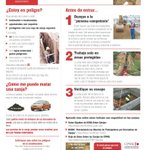




ALT Heat exposure can be dangerous Signs of a medical emergency! Abnormal thinking or behavior. Slurred speech. Seizures. Loss of consciousness. Take these actions 1.Call 911 immediately 2.Cool the workers right away with water or ice 3.Stay with the workers until help arrives

ALT A red and orange sky with the sun and clouds. Reads: "What is a heat wave? Abnormally hot and humid weather lasting at least 2 days. Heat waves can occur anywhere in the country and cause heat illness or even death."

ALT poster on how to prevent heat-related illness


ALT Hydrate for Your Safety. Drinking enough fluids is one of the most important things you can do to prevent heat illness. Hydrate before, during, and after work. Drink 1 cup of cool water every 20 minutes - even if you aren't thirsty! Water is generally sufficient for short jobs. For longer jobs, drink an electrolyte-containing beverage. Avoid energy drinks and alcohol. Your work performance may suffer when you are dehydrated, even if you don't notice. osha.gov/heat

ALT Consejos para Prevenir las Enfermedades Relacionadas con el Calor en el Trabajo. Modere su actividad. Casi 3 de cada 4 muertes por el calor ocurren durante la primera semana de trabajo. Desarrolle una tolerancia al calor aumentando la intensidad en un 20% cada día. Beba agua fría aun si no tiene sed. Descanse lo suficiente para recuperarse del calor. Tome descansos bajo la sombra o en un lugar fresco. Use sombrero y ropa adecuada para el calor. Esté pendiente a sus compañeros. Chequee verbalmente a los trabajadores usando mascarilla

ALT Prevent Heat Illness at Work. Ease into Work. Nearly 3 out of 4 fatalities from heat illness happen during the first week of work. Build a tolerance to heat by increasing intensity by 20% each day. Drink cool water even if you are not thirsty. Rest for long enough to recover from the heat. Take breaks in a shady or cool area. Wear a hat and dress for the heat. Watch out for each other. Verbally check on workers wearing face coverings.

ALT photo of a construction worker watching another worker operate heavy equipment at sunset

ALT infographic on types of heat-related illness


ALT Man using a weed eater to maintain a lawn wearing orange hearing protection, blue overalls, and safety glasses.


ALT Map showing active excessive heat warnings and heat advisories for much of the southern US.


ALT Graphic lists common signs and symptoms of heat exhaustion and heat stroke and what to do. Symptoms of heat exhaustion are dizziness, nausea, and weakness. Drink water and move to a cooler, air-conditioned, or shaded space. Symptoms of heat stroke are confusion, throbbing headache, and unconsciousness. Call 911, loosen or dampen clothing, and use a cool compress on forehead and neck.

ALT infographic on slip-resistant shoes

ALT Sun Safety at Work. Sun exposure causes skin cancer, premature aging of the skin, and cataracts. Cover up. Wear tightly woven clothing that blocks out light. Use sunscreen. Use a sunscreen that has a sun protection factor (SPF) of at least 15. Wear a hat. A wide brim hat protects the neck, ears, eyes, forehead, nose, and scalp. Wear UV-absorbent shades. Sunglasses should block UVA and UVB radiation. Limit exposure. UV rays are most intense between 10 a.m. and 4 p.m. osha.gov/heat


ALT Juneteenth flag with text Juneteenth June 19, 1865 dol.gov

ALT The OSHA Job Safety and Health: It's the Law poster, available for free from OSHA, informs workers of their rights under the Occupational Safety and Health Act. All employers covered by OSHA are required to display this poster on in their workplace. For more information on workers' rights visit osha.gov/workers