

No Mercy
Kenya
Joined June 2015
- Tweets22.6K
- Following575
- Followers419
- Likes121K




Kenya First retweeted

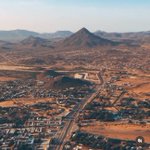
Kisii Suneka.
This is one airport that will really really open up Kisii to commerce and tourism


Kenya First retweeted

On my way from work, I was arrested in South C, Nairobi and taken to Akilla Police Station but now I have been released. Thankyou all for concern and speaking out. – at Nairobi, Kenya

Kenya First retweeted

This is what David Hundeyin and Pan African lovers of Russia promoted to Africans.
Today many Africans are dead because David Hundeyin and Pan Africanis lied to them.


Kenya First retweeted

Ksh500 million Kiambu County Aggregation Industrial Park at Waruhiu Farm in Githunguri funded by Kiambu County Government-Kenya and National Government.
The county has contributed Ksh250 million while the national government contributed the other half.
It will serve as a hub for agricultural processing and manufacturing, creating a vital link between farmers, industries and markets, with focus on avocado and banana fruits and vegetables and other horticultural produce


Kenya First retweeted

Evet Yavaş ama ne sendika ne sağlık sigortası ne gece ne tatil var. Gece bırak sabaha toplasın üstelik sıfır hata


Kenya First retweeted

Your call @MusaliaMudavadi @SingoeiAKorir

The family of 24 year old Kenyan woman Lucy Wambui Kimani is desperately seeking answers following her disappearance in Jeddah, Saudi Arabia.
Lucy, who hails from Nyanduma, Lari Constituency, Kiambu County, travelled to Saudi Arabia on August 10, 2026, after securing employment at Tripfit Ladies Wellness Center. However, according to her family, her health reportedly deteriorated while working there, and she began experiencing mental health challenges.
Her disappearance has now raised serious concerns among her relatives, who question how she was treated after becoming unwell. The family alleges that she was taken to the Kenyan Embassy, a police station and a deportation office on separate occasions, but they remain concerned about whether she received the medical attention and protection she needed.
Her sister, Naomi Njeri Kimani, travelled from Qatar in an effort to trace her whereabouts. Unfortunately, the family says their efforts have been complicated by difficulties obtaining official documents needed to make inquiries at hospitals and other government facilities.
The family is now appealing for urgent intervention from the Kenyan Embassy and relevant Saudi authorities to establish Lucy's whereabouts, ensure she receives immediate medical attention if found, and provide clear answers about the circumstances surrounding her disappearance.
They are also calling for regular communication and a coordinated search effort to help bring Lucy safely back to her family.
Kenyans living in Jeddah and across Saudi Arabia are urged to share this appeal and assist with any credible information that could help locate her.
Lucy is someone's daughter, sister and loved one. Her family deserves answers, and every effort matters in ensuring she is found safe and reunited with those waiting for her….

Kenya First retweeted
When Arabs and Black Muslims were slaughtering the Christians in South Sudan it was Israel 🇮🇱 who armed them and gave them a fighting chance.
As a Christian in Nigeria or someone from the South of Nigeria, don't ever buy into anti Israel propaganda.
Kenya First retweeted

Christianity created Africa’s enlightenment

The missionaries aren't celebrated enough.
They contributed more to Africa than most African politicians in the post-colonial era.
Thousands died, so African children could learn to read and live. They gave Africa alphabets, schools, hospitals, and medicine. They fought disease, raised orphans, trained teachers and nurses, and opposed the slave trade. Many came knowing they would not return, and they were buried in Africa.
They left comfort in Britain. They came with a Bible, a schoolbook, and medicine. They built the schools, clinics and hospitals that still stand today.
They taught African children literacy, language, healthcare, religion, and skills. Carpentry. Agriculture. Nursing. Bricklaying. Sewing. The things that build a nation.
In the post-colonial era. Most African politicians contributed slogans, corruption, and collapsed economies. They inherited mission schools and mission hospitals and ran them into the ground.
The missionary came to build, and was buried where he served. The corrupt politician came to power to loot, and flew out for treatment in Singapore and shopping in Dubai.
That is the difference. That is why the missionaries deserve celebration, not silence.
Missionaries were men and women who left everything. They left comfortable homes in England, Scotland, and Wales.
They left warm beds, good food, safe streets, and their own families.
They boarded ships for months, not knowing if they would ever see home again, to come to a land they had never seen, to people they had never met, for a goal greater than themselves.
Many of them died. Not in old age. In their 20s and 30s. They died of malaria. They died of fever. They died of diseases they had no immunity to. They buried their wives here. They buried their children here. They buried themselves here. And they still did not leave, because they genuinely loved Africa.
No sword was used to help African people turn to Christianity. No gunpoint conversion, but only love.
The missionary came with a Bible in one hand and a textbook in the other. He sat under a tree with African children and taught them to read and write. He taught them English, so they could speak to the world. He taught them arithmetic, so they could trade and build. He taught them agriculture, carpentry, bricklaying, sewing, and nursing, so they could feed their families and build their communities.
He taught them healthcare. He taught mothers how to keep babies alive. How to clean wounds. How to prevent disease. Before the missionary, a simple infection was a death sentence. After the missionary, there was a clinic.
That is the difference. The missionary did not conquer, but he convinced. He did not force, but he served.
And what they built is still standing today.
The missionaries built functional clinics, hospitals and schools that are still in existence even up to now. In Kenya, in Malawi, in Zambia, in Zimbabwe, in Uganda, in Ghana, the best schools in the country are still mission schools. The best hospitals in the rural areas are still mission hospitals. Mnene, Chikankata, Kisiizi, Agogo, and hundreds more, still saving lives 100 years later.
They did not build for profit. They did not build for themselves. They built for Africa.
They genuinely helped Africa. They gave Africa literacy. They gave Africa medicine. They gave Africa skills. They gave Africa the Gospel, and they gave it in love.
You can rewrite the textbooks. You can tear down the statues. You can call them colonizers on social media. But you cannot erase what they built, and you cannot erase who they saved.
Their legacy will remain unshaken.
faraimazhindu.substack.com

Kenya First retweeted

Any african who is anti-Israel, is not just antiblack. They're also slow witted


Kenya First retweeted

The Arab world, Saudi specifically continued slavery in Mecca until 1961.
There was a slave market in Mecca then.
Without Western countries Slavery would continue till 2026 and beyond that's left for the Arabs.
But yeah let's hate the west🙄
Kenya First retweeted

The missionaries aren't celebrated enough.
They contributed more to Africa than most African politicians in the post-colonial era.
Thousands died, so African children could learn to read and live. They gave Africa alphabets, schools, hospitals, and medicine. They fought disease, raised orphans, trained teachers and nurses, and opposed the slave trade. Many came knowing they would not return, and they were buried in Africa.
They left comfort in Britain. They came with a Bible, a schoolbook, and medicine. They built the schools, clinics and hospitals that still stand today.
They taught African children literacy, language, healthcare, religion, and skills. Carpentry. Agriculture. Nursing. Bricklaying. Sewing. The things that build a nation.
In the post-colonial era. Most African politicians contributed slogans, corruption, and collapsed economies. They inherited mission schools and mission hospitals and ran them into the ground.
The missionary came to build, and was buried where he served. The corrupt politician came to power to loot, and flew out for treatment in Singapore and shopping in Dubai.
That is the difference. That is why the missionaries deserve celebration, not silence.
Missionaries were men and women who left everything. They left comfortable homes in England, Scotland, and Wales.
They left warm beds, good food, safe streets, and their own families.
They boarded ships for months, not knowing if they would ever see home again, to come to a land they had never seen, to people they had never met, for a goal greater than themselves.
Many of them died. Not in old age. In their 20s and 30s. They died of malaria. They died of fever. They died of diseases they had no immunity to. They buried their wives here. They buried their children here. They buried themselves here. And they still did not leave, because they genuinely loved Africa.
No sword was used to help African people turn to Christianity. No gunpoint conversion, but only love.
The missionary came with a Bible in one hand and a textbook in the other. He sat under a tree with African children and taught them to read and write. He taught them English, so they could speak to the world. He taught them arithmetic, so they could trade and build. He taught them agriculture, carpentry, bricklaying, sewing, and nursing, so they could feed their families and build their communities.
He taught them healthcare. He taught mothers how to keep babies alive. How to clean wounds. How to prevent disease. Before the missionary, a simple infection was a death sentence. After the missionary, there was a clinic.
That is the difference. The missionary did not conquer, but he convinced. He did not force, but he served.
And what they built is still standing today.
The missionaries built functional clinics, hospitals and schools that are still in existence even up to now. In Kenya, in Malawi, in Zambia, in Zimbabwe, in Uganda, in Ghana, the best schools in the country are still mission schools. The best hospitals in the rural areas are still mission hospitals. Mnene, Chikankata, Kisiizi, Agogo, and hundreds more, still saving lives 100 years later.
They did not build for profit. They did not build for themselves. They built for Africa.
They genuinely helped Africa. They gave Africa literacy. They gave Africa medicine. They gave Africa skills. They gave Africa the Gospel, and they gave it in love.
You can rewrite the textbooks. You can tear down the statues. You can call them colonizers on social media. But you cannot erase what they built, and you cannot erase who they saved.
Their legacy will remain unshaken.
faraimazhindu.substack.com
Kenya First retweeted
Christian missionaries did so much good for Africa.
They brought education, medicine and saved so many lives.
Christian missionaries did so much to enlighten many Sub Sahara African societies, I am grateful for everything they did and I appreciate their sacrifices.
The missionaries aren't celebrated enough.
They contributed more to Africa than most African politicians in the post-colonial era.
Thousands died, so African children could learn to read and live. They gave Africa alphabets, schools, hospitals, and medicine. They fought disease, raised orphans, trained teachers and nurses, and opposed the slave trade. Many came knowing they would not return, and they were buried in Africa.
They left comfort in Britain. They came with a Bible, a schoolbook, and medicine. They built the schools, clinics and hospitals that still stand today.
They taught African children literacy, language, healthcare, religion, and skills. Carpentry. Agriculture. Nursing. Bricklaying. Sewing. The things that build a nation.
In the post-colonial era. Most African politicians contributed slogans, corruption, and collapsed economies. They inherited mission schools and mission hospitals and ran them into the ground.
The missionary came to build, and was buried where he served. The corrupt politician came to power to loot, and flew out for treatment in Singapore and shopping in Dubai.
That is the difference. That is why the missionaries deserve celebration, not silence.
Missionaries were men and women who left everything. They left comfortable homes in England, Scotland, and Wales.
They left warm beds, good food, safe streets, and their own families.
They boarded ships for months, not knowing if they would ever see home again, to come to a land they had never seen, to people they had never met, for a goal greater than themselves.
Many of them died. Not in old age. In their 20s and 30s. They died of malaria. They died of fever. They died of diseases they had no immunity to. They buried their wives here. They buried their children here. They buried themselves here. And they still did not leave, because they genuinely loved Africa.
No sword was used to help African people turn to Christianity. No gunpoint conversion, but only love.
The missionary came with a Bible in one hand and a textbook in the other. He sat under a tree with African children and taught them to read and write. He taught them English, so they could speak to the world. He taught them arithmetic, so they could trade and build. He taught them agriculture, carpentry, bricklaying, sewing, and nursing, so they could feed their families and build their communities.
He taught them healthcare. He taught mothers how to keep babies alive. How to clean wounds. How to prevent disease. Before the missionary, a simple infection was a death sentence. After the missionary, there was a clinic.
That is the difference. The missionary did not conquer, but he convinced. He did not force, but he served.
And what they built is still standing today.
The missionaries built functional clinics, hospitals and schools that are still in existence even up to now. In Kenya, in Malawi, in Zambia, in Zimbabwe, in Uganda, in Ghana, the best schools in the country are still mission schools. The best hospitals in the rural areas are still mission hospitals. Mnene, Chikankata, Kisiizi, Agogo, and hundreds more, still saving lives 100 years later.
They did not build for profit. They did not build for themselves. They built for Africa.
They genuinely helped Africa. They gave Africa literacy. They gave Africa medicine. They gave Africa skills. They gave Africa the Gospel, and they gave it in love.
You can rewrite the textbooks. You can tear down the statues. You can call them colonizers on social media. But you cannot erase what they built, and you cannot erase who they saved.
Their legacy will remain unshaken.
faraimazhindu.substack.com


