

Landscape Architecture. Outdoor & Gardens.
Joined August 2025
- Tweets2.8K
- Following12
- Followers107K
- Likes14.4K








Pinned Tweet
Permeable surfaces allow rainwater to filter through the ground, reducing runoff, easing pressure on drainage systems, replenishing groundwater, and helping trees and surrounding vegetation access the moisture they need.
In contrast, sealed surfaces can accelerate flooding and leave the soil beneath dry and disconnected from natural water cycles.
Smart tree placement can guide natural breezes into your home, improve ventilation, and create a more comfortable outdoor environment.

Choose a greener driveway that reduces heat, improves water drainage, and supports a healthier outdoor environment.

8 fruit and nut trees that can provide a long-lasting supply of fresh food for decades with proper care and maintenance.

A guide to creating a living fence using woven plants for a natural, durable, and eco-friendly boundary that grows denser over time.

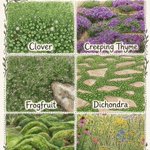
Explore sustainable grass alternatives like clover, creeping thyme, and wildflowers for a greener, low-maintenance landscape.

Planting depth matters!
Give your seeds the right start by planting them at the correct depth for healthier germination and stronger growth.

Prune with purpose! Learn the right bougainvillea pruning techniques for healthier growth, beautiful shapes, and more vibrant blooms.

Your house’s orientation affects sunlight, temperature, and what thrives in your garden. Choose the right plants for the right direction!!!!!


MY ANSWER: A driveway doesn’t always have to be a continuous slab of concrete or asphalt. This permeable paving approach combines individual pavers with planted gaps, creating a surface that can support vehicles while allowing rainwater to infiltrate into the ground.
Beyond its practical benefits, the pattern adds texture and visual interest while integrating the driveway more naturally into the surrounding landscape. Smart design is often about finding simple ways to make infrastructure work harder.

A truly sustainable farm doesn’t operate like a factory; it functions like an ecosystem. From kitchen scraps feeding insects and worms to chickens and fish producing nutrient-rich manure, and compost returning nutrients to the soil, every element supports another.
Water, biomass, heat, and nutrients move in continuous cycles, reducing waste while improving productivity and building a healthier, more resilient agricultural system. The goal is simple: nothing is wasted; everything has a role.
Healthy gardens start from the ground up.
Understanding your soil type helps you choose the right plants, improve drainage, retain moisture, and provide the nutrients your garden needs to thrive.
Loamy • Clay • Sandy • Silty • Chalky • Peaty, know your soil, amend it wisely, and grow better.

The right herb in the right place can make all the difference. This visual guide shows how the orientation of your home and the amount of sun, shade, and heat each side receives can influence where different herbs thrive.
From sun-loving rosemary and lavender on the south side to shade-tolerant mint and parsley in the north, thoughtful planting turns available space into a productive, beautiful garden. Good design considers not just the building, but the environment around it.

Long before concrete walls and steel fences, people found ingenious ways to create boundaries using living materials. Living fences, made by weaving and training tree trunks and branches together, can form dense, self-renewing barriers that evolve with the landscape.
This centuries-old approach shows how architecture and nature can work together—not simply to separate spaces, but to create boundaries that are alive, resilient, and deeply connected to their environment.
🤖 Made with AI
These suspended planters combine greenery with sculptural wire forms to create a light, floating garden effect. The cascading plants soften the space, introduce texture and movement, and turn a simple hanging installation into a distinctive decorative feature.
It is a beautiful example of how biophilic design can transform an ordinary corner into something organic and visually engaging.
Not every weed is a nuisance—some are nutritious, edible wild plants hiding in plain sight. From dandelion and purslane to chickweed and lamb’s quarters, this guide highlights common plants and their traditional culinary uses.
The key is proper identification, clean harvesting, and safe preparation before eating.

A productive garden is all about timing, observation, and knowing when to harvest. This seasonal guide offers a month-by-month look at what to watch for, from early greens and herbs to the summer abundance of tomatoes, beans, and squash, followed by autumn roots and stored produce.
Because harvest cues matter more than the calendar, paying attention to crop maturity, weather, and growing conditions can help you enjoy better-quality produce throughout the year.

Lavender looks effortless when it’s thriving—but good blooms start with good pruning. This guide breaks down the key pruning periods and techniques, from seasonal shaping to knowing exactly where to make the cut.
A little timely maintenance helps keep lavender compact, healthy, and ready for another beautiful flush of blooms.
