

Bringing frontier intelligence to your business workflows. We distill frontier models into specialists at a fraction of the cost, built for low-cost hardware
Joined August 2026
- Tweets134
- Following86
- Followers123
- Likes486




Microtensor retweeted
𝗜𝗻 𝟮𝟬𝟭𝟮, 𝗮𝗻 𝗼𝗽𝗲𝗻 𝗰𝗼𝗺𝗽𝗲𝘁𝗶𝘁𝗶𝗼𝗻 𝗰𝗮𝗹𝗹𝗲𝗱 𝗜𝗺𝗮𝗴𝗲𝗡𝗲𝘁 𝗰𝗵𝗮𝗻𝗴𝗲𝗱 𝗔𝗜 𝗳𝗼𝗿𝗲𝘃𝗲𝗿. By giving researchers everywhere one shared, objective test to compete on, progress accelerated overnight, and within a few years, machines could see.
Today, that trajectory has culminated in massive, dense foundation models capable of generalized reasoning, synthesis, and multi-modal coding. A handful of centralized frontier labs now serve as the default computation layer for virtually all enterprise software.
However, empirical production telemetry shows that the vast majority of enterprise AI traffic does not require open-ended frontier reasoning. Instead, it consists of narrow, high-volume tasks repeated millions of times: legal teams auditing contracts for risky clauses, insurers extracting structured fields from medical claims, banks routing support tickets, and coding agents compacting long-horizon context sessions. Routing these bounded distributions to dense frontier models forces organizations to pay a severe token tax, incur unnecessary latency penalties, and expose proprietary data to external APIs.
𝗠𝗶𝗰𝗿𝗼𝘁𝗲𝗻𝘀𝗼𝗿 𝗯𝗿𝗶𝗻𝗴𝘀 𝘁𝗵𝗮𝘁 𝗼𝗽𝗲𝗻 𝗰𝗼𝗺𝗽𝗲𝘁𝗶𝘁𝗶𝗼𝗻 𝗽𝗮𝗿𝗮𝗱𝗶𝗴𝗺 𝗯𝗮𝗰𝗸, 𝗼𝗻𝗲 𝘀𝗽𝗲𝗰𝗶𝗳𝗶𝗰 𝗲𝗻𝘁𝗲𝗿𝗽𝗿𝗶𝘀𝗲 𝘁𝗮𝘀𝗸 𝗮𝘁 𝗮 𝘁𝗶𝗺𝗲. Global builders compete on an adversarial, decentralized network to distill and optimize compact specialist models for your exact workload. Every candidate is empirically audited against hidden, uncontaminated evaluation sets using strict lower confidence bounds, certified for deterministic runtime compliance, and served at a fraction of frontier cost.
𝗔𝗹𝗿𝗲𝗮𝗱𝘆 𝗸𝗻𝗼𝘄 𝘁𝗵𝗲 𝘄𝗼𝗿𝗸 𝘁𝗵𝗮𝘁 𝗱𝗿𝗮𝗶𝗻𝘀 𝘆𝗼𝘂𝗿 𝗯𝘂𝗱𝗴𝗲𝘁? Bring the task and your data, and the network competes to automate it.
microtensor.cloud
#Bittensor bittensor:native #Subnets #dTAO #DecentralizedAI #SpecialisedModels #EnterpriseAI
Microtensor retweeted
Our first arena has settled on Bittensor testnet 576. 11 outside miners trained small specialists for agent context compaction. Top model: 25/25 hidden items vs 2/25 for its base, 5.3× cheaper than Qwen 3.8 27B.
@opentensor @const_reborn #Bittensor $TAO

Our first arena has settled on Bittensor testnet 576. 11 outside miners trained small specialists for agent context compaction. Top model: 25/25 hidden items vs 2/25 for its base, 5.3× cheaper than Qwen 3.8 27B.
@opentensor @const_reborn #Bittensor $TAO
Microtensor retweeted
𝗘𝘃𝗲𝗿𝘆 𝗔𝗜 𝗯𝗶𝗹𝗹 𝗶𝘀 𝗮 𝗿𝗲𝗻𝘁 𝗰𝗵𝗲𝗾𝘂𝗲 𝗳𝗼𝗿 𝗰𝗼𝗺𝗽𝘂𝘁𝗲 𝘆𝗼𝘂 𝗱𝗼 𝗻𝗼𝘁 𝗻𝗲𝗲𝗱.
Enterprises pay a frontier lab by the token for the same routine jobs on repeat. Schema extraction, summarisation, context compression, query generation. 𝗣𝗲𝗮𝗸 𝗽𝗿𝗶𝗰𝗶𝗻𝗴 𝗳𝗼𝗿 𝗻𝗮𝗿𝗿𝗼𝘄 𝘁𝗮𝘀𝗸𝘀, and the model's behaviour drifts whenever the lab updates it.
𝗧𝗵𝗮𝘁 𝘁𝗿𝗮𝗱𝗲 𝗻𝗼 𝗹𝗼𝗻𝗴𝗲𝗿 𝗵𝗼𝗹𝗱𝘀. Small open models trained for one task now match frontier quality on that task, at a fraction of the cost, on hardware you control.
What blocks the switch is the work. Building the data pipeline, running the evaluation, proving the result, and redoing all of it when a better base model ships is 𝗮𝗻 𝗲𝗻𝗴𝗶𝗻𝗲𝗲𝗿𝗶𝗻𝗴 𝘁𝗲𝗮𝗺 𝗽𝗲𝗿 𝘁𝗮𝘀𝗸. So most teams keep paying rent.
𝗔𝘁 𝗠𝗶𝗰𝗿𝗼𝘁𝗲𝗻𝘀𝗼𝗿 𝘄𝗲 𝗺𝗼𝘃𝗲 𝘁𝗵𝗮𝘁 𝘄𝗼𝗿𝗸 𝗼𝗻𝘁𝗼 𝗮 𝗻𝗲𝘁𝘄𝗼𝗿𝗸. Thousands of builders compete to train the best specialist for your task, and independent validators verify every result by replaying it against the exact frontier model you use today, on the same test items.
You get it through 𝗼𝗻𝗲 𝗱𝗿𝗼𝗽 𝗶𝗻 𝗲𝗻𝗱𝗽𝗼𝗶𝗻𝘁, or you take the verified weights and 𝗿𝘂𝗻 𝘁𝗵𝗲𝗺 𝗶𝗻𝘀𝗶𝗱𝗲 𝘆𝗼𝘂𝗿 𝗼𝘄𝗻 𝘄𝗮𝗹𝗹𝘀. For a hospital, a bank or a government office that means patient records, transactions and case files never leave your infrastructure, and the model that learned your work is yours, not a line item in someone else's training set.
𝗥𝗲𝗻𝘁 𝘁𝗵𝗲 𝗳𝗿𝗼𝗻𝘁𝗶𝗲𝗿 𝗳𝗼𝗿 𝘁𝗵𝗲 𝗵𝗮𝗿𝗱 𝗲𝗱𝗴𝗲 𝗰𝗮𝘀𝗲𝘀. 𝗢𝘄𝗻 𝘁𝗵𝗲 𝗶𝗻𝘁𝗲𝗹𝗹𝗶𝗴𝗲𝗻𝗰𝗲 𝗳𝗼𝗿 𝗲𝘃𝗲𝗿𝘆𝘁𝗵𝗶𝗻𝗴 𝗲𝗹𝘀𝗲.
👉 microtensor.cloud
#AIInfrastructure #SmallLanguageModels #Bittensor bittensor:native
Microtensor retweeted
𝗦𝗽𝗲𝗰𝗶𝗮𝗹𝗶𝘇𝗲𝗱 𝗶𝗻𝘁𝗲𝗹𝗹𝗶𝗴𝗲𝗻𝗰𝗲, 𝗯𝘂𝗶𝗹𝘁 𝗮𝗿𝗼𝘂𝗻𝗱 𝘆𝗼𝘂𝗿 𝗯𝘂𝘀𝗶𝗻𝗲𝘀𝘀.
At 𝗠𝗶𝗰𝗿𝗼𝘁𝗲𝗻𝘀𝗼𝗿, we turn raw AI capability into a 𝗻𝗲𝘁𝘄𝗼𝗿𝗸 𝗼𝗳 𝗱𝗲𝗱𝗶𝗰𝗮𝘁𝗲𝗱 𝘀𝗽𝗲𝗰𝗶𝗮𝗹𝗶𝘀𝘁𝘀 that fit seamlessly into the 𝘄𝗼𝗿𝗸𝗳𝗹𝗼𝘄𝘀 𝘆𝗼𝘂𝗿 𝘁𝗲𝗮𝗺𝘀 𝗮𝗹𝗿𝗲𝗮𝗱𝘆 𝘂𝘀𝗲.
The smartest way to run AI in your business isn't to lean on generic, oversized models. 𝗜𝘁'𝘀 𝗽𝗿𝗲𝗰𝗶𝘀𝗶𝗼𝗻. We bridge the gap between frontier intelligence and the 𝗼𝗽𝗲𝗿𝗮𝘁𝗶𝗼𝗻𝗮𝗹 𝘄𝗼𝗿𝗸𝗳𝗹𝗼𝘄𝘀 that actually run your company.
By mapping 𝘁𝗮𝘀𝗸-𝘀𝗽𝗲𝗰𝗶𝗳𝗶𝗰 𝗺𝗼𝗱𝗲𝗹𝘀 to your day-to-day operations, Microtensor lets your teams automate everyday work 𝗿𝗲𝗹𝗶𝗮𝗯𝗹𝘆, 𝗽𝗿𝗶𝘃𝗮𝘁𝗲𝗹𝘆, 𝗮𝗻𝗱 𝗮𝘁 𝗮 𝗳𝗿𝗮𝗰𝘁𝗶𝗼𝗻 𝗼𝗳 𝘁𝗼𝗱𝗮𝘆'𝘀 𝗰𝗼𝘀𝘁.
𝗡𝗼 𝗱𝗶𝘀𝗿𝘂𝗽𝘁𝗶𝘃𝗲 𝗼𝘃𝗲𝗿𝗵𝗮𝘂𝗹𝘀. 𝗡𝗼 𝗯𝗹𝗼𝗮𝘁𝗲𝗱 𝗔𝗣𝗜 𝗯𝗶𝗹𝗹𝘀.
Discover the smartest way to run AI in your business.
Book a demo 👉 microtensor.cloud/sales
#Microtensor #AI #Bittensor bittensor:native #Subnet #EnterpriseAI #WorkflowAutomation #TechInfrastructure
Microtensor retweeted
Running LLMs in production takes more than calling a model. Teams have to decide which model handles each request, keep that model's behaviour stable as it changes, and process large volumes without failures going unnoticed.
In practice, that means writing and maintaining their own routing logic, version tracking, retry queues and logging, just to know which model answered, how well, and at what cost.
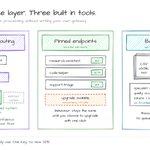
Microtensor solves this with three tools built into a single drop in inference layer.
Product teams can hand off routing, versioning and bulk processing, and get predictable performance with clear quality and cost data on every request.
𝗔𝘂𝘁𝗼𝗺𝗮𝘁𝗶𝗰 𝗿𝗼𝘂𝘁𝗶𝗻𝗴
The need: deciding which model should handle each request.
How: swap the base URL in your OpenAI client and send `mt/auto`. Requests matching a certified task go to a certified specialist, and everything else goes to a general model.
What you get: every response reports the task detected, the specialist that answered, its confidence, and whether it met your quality floor.
𝗣𝗶𝗻𝗻𝗲𝗱 𝗲𝗻𝗱𝗽𝗼𝗶𝗻𝘁𝘀
The need: model behaviour that changes under a live product.
How: lock a named endpoint to the specialist versions you choose, each with its own quality bar, content log and traffic.
What you get: behaviour that stays the same until you upgrade. When a better specialist is certified, you see the accuracy change and upgrade with one click.
𝗕𝗮𝘁𝗰𝗵 𝗿𝘂𝗻𝘀
The need: running thousands of requests without building queues and retries.
How: upload a CSV, JSONL or TXT file of up to 50,000 requests and run it through routed inference or a pinned endpoint.
What you get: every row comes back with the specialist and version, quality score, tokens and latency, plus a summary against the estimated cost on a frontier model.
Docs: microtensor.cloud/docs/api/g…
#AIInfrastructure #SmallLanguageModels #Developers #Bittensor bittensor:native #Subnets

Most AI workloads are over provisioned.
Teams route almost every request to a frontier model. Fixing a typo and debugging a checkout failure run on the same parameter heavy network, at the same latency and the same premium price.
For the bulk of production traffic, that capacity goes unused.
At Microtensor, we are building a task calibrated inference API to close that gap.
𝗛𝗼𝘄 𝗶𝘁 𝘄𝗼𝗿𝗸𝘀
• Drop in: change the base URL and API key in the OpenAI client you already use. No new SDK.
• Identify: a lightweight, calibrated router classifies each request by task, such as classification, decisions or structured extraction.
• Serve: a certified specialist model, fine tuned for that task, answers the request. Only when the router's confidence falls below your quality floor does the request escalate to a frontier model.
𝗪𝗵𝗮𝘁 𝘁𝗵𝗲 𝗿𝗲𝘀𝗲𝗮𝗿𝗰𝗵 𝘀𝗵𝗼𝘄𝘀
• Specialists close the gap. An adapted small model recovered 89.7% of frontier performance at 4% of the cost (Carnegie Mellon University).
• Routing preserves quality. Quality aware routing cut calls to the large model by up to 40% with no drop in response quality (Hybrid LLM, ICLR 2024).
• Smaller footprint. Task specific models use orders of magnitude less energy per query than general purpose generative models (Luccioni, Jernite and Strubell, ACM FAccT).
The result: frontier accuracy where the task demands it, and specialist cost, speed and efficiency everywhere else.
Coming soon. Follow our progress at microtensor.cloud/
#AI #SmallLanguageModels #LLM #AIInfrastructure #Developers #Bittensor bittensor:native #Subnets

Microtensor retweeted
Most AI workloads are over provisioned.
Teams route almost every request to a frontier model. Fixing a typo and debugging a checkout failure run on the same parameter heavy network, at the same latency and the same premium price.
For the bulk of production traffic, that capacity goes unused.
At Microtensor, we are building a task calibrated inference API to close that gap.
𝗛𝗼𝘄 𝗶𝘁 𝘄𝗼𝗿𝗸𝘀
• Drop in: change the base URL and API key in the OpenAI client you already use. No new SDK.
• Identify: a lightweight, calibrated router classifies each request by task, such as classification, decisions or structured extraction.
• Serve: a certified specialist model, fine tuned for that task, answers the request. Only when the router's confidence falls below your quality floor does the request escalate to a frontier model.
𝗪𝗵𝗮𝘁 𝘁𝗵𝗲 𝗿𝗲𝘀𝗲𝗮𝗿𝗰𝗵 𝘀𝗵𝗼𝘄𝘀
• Specialists close the gap. An adapted small model recovered 89.7% of frontier performance at 4% of the cost (Carnegie Mellon University).
• Routing preserves quality. Quality aware routing cut calls to the large model by up to 40% with no drop in response quality (Hybrid LLM, ICLR 2024).
• Smaller footprint. Task specific models use orders of magnitude less energy per query than general purpose generative models (Luccioni, Jernite and Strubell, ACM FAccT).
The result: frontier accuracy where the task demands it, and specialist cost, speed and efficiency everywhere else.
Coming soon. Follow our progress at microtensor.cloud/
#AI #SmallLanguageModels #LLM #AIInfrastructure #Developers #Bittensor bittensor:native #Subnets
Microtensor retweeted
Last week the Microtensor team rolled out a complete platform redesign for a fresh look and feel, and upgraded our entire miner mechanism to make model certification more rigorous and fairer for miners and validators. 🛠️✨
This week our focus shifts to user facing tools, making sure our end users can put certified specialists to work from day one.
We're starting with an OpenAI compatible inference API with task aware routing.
Why now? In recent weeks OpenAI launched GPT 6 Astra, xAI launched Grok 4.7, Anthropic launched Claude Opus 5.5 and Google announced Gemini 4 Argon.
Deciding which model is the smartest is no longer the real problem. The real question is which model should handle this particular task. 🧠
"Fix a typo" and "debug our checkout failure" sit at opposite ends of the difficulty spectrum. Yet most systems send both to massive generalist models, paying frontier inference costs for simple tasks that a compact specialist resolves at a fraction of the compute.
Here's what's coming to Microtensor:
1️⃣ Drop in compatibility: point the OpenAI client you already use at Microtensor. One API key, no new SDK to learn.
2️⃣ Task identification: a calibrated router reads each incoming request and classifies the task, whether text classification, a critical decision or structured data extraction.
3️⃣ Specialist inference: each task is served by the certified specialist best suited for it, escalating to a frontier model only when the router's confidence falls below your quality floor. 🎯
The result? Frontier level accuracy, lower latency and a fraction of the inference cost, just by switching the base URL and key in your existing code.
Stay tuned. The future of decentralised inference is lean, smart and efficient. 🚀
microtensor.cloud
#Bittensor #Subnet bittensor:native #AIInfrastructure #SLMs #LLMs #Developers
In December 2024, families who paid $799 for Moxie, an AI companion robot for kids, learned it was about to stop working.
Every conversation ran on large language models in the cloud (OpenAI API). When the funding ran out, the servers went dark (Axios). 🧵
Moxie is an extreme case, but the lesson applies to every AI product. When every interaction depends on a large model in someone else's cloud, inference cost becomes the cost of your business. As one report put it, "LLMs are not cheap to run" (Aftermath)
axios.com/2024/12/10/moxie-k…

1
2
94
🔹 Less energy per query: task specific models are orders of magnitude cheaper to run than general purpose generative models, even at equal size (Luccioni, Jernite and Strubell).
The hungriest frontier LLMs use over 29 Wh per long prompt, 65x the most efficient (Jegham et al.).
🔹 Independence: a specialist fits on a single GPU, so it can run on your own infrastructure.
When Moxie's servers shut down, the robots that kept working were the ones owners moved onto open source software they ran themselves (PIRG)
1
1
9
🔹 Frontier models only when needed: sending easy queries to a small model and escalating hard ones cut large model calls by up to 40% with no quality drop (Hybrid LLM, ICLR 2024), and matched GPT 4 at up to 98% lower cost (FrugalGPT, Stanford).
Frontier level accuracy on your task. A fraction of the cost, energy and carbon. Running where you choose.
That is the case for specialised SLMs, and it is what Microtensor delivers.
Before you scale, calculate what every query costs.
Our whitepaper: microtensor.cloud/research
1
9