

We plant Nebraska for healthy people, vibrant communities and a resilient environment.
Lincoln, NE
Joined August 2009
- Tweets4.5K
- Following424
- Followers1K
- Likes126



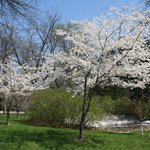



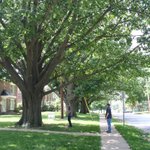
Nebraska Statewide Arboretum is thrilled to be #FundingUrbanForestry with the @forestservice through tree planting, maintenance and tree removal in disadvantaged communities in Nebraska and workforce development initiatives across the state! Learn more: plantnebraska.org/what-we-do…

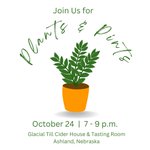
Come join us for conversation & connection at Plants & Pints, Oct. 24, 7-9 p.m. @GlacialTill Cider House & Tasting Room in Ashland. Details and tickets --> plantnebraska.org/resources-…

In the #treeTuesday spotlight today is Turkish hazelnut (Corylus colurna), also called Turkish filbert. Though not a NE native, this member of the hazelnut family is well-adapted to the Midwest & has cool-looking (& edible) fruit (the nuts are in these funky husks).

Looking for a late bloomer to attract a plethora of #pollinators to your yard? Try giant blue hyssop (Agastache foeniculum). Native bees and bumble bees love it, and it emits a lovely licorice scent. #nativeplants

Have a hankering for some jelly? Plant a chokecherry (Prunus virginiana) tree -- native to Nebraska, beneficial to birds and tasty, tangy fruit for humans. #nativetrees

Consider the wild plum (also called American plum) -- beautiful, native, and beneficial to wildlife. #wildplum #Prunusamericana #treetuesday


Letting your neighbors know you are intentionally leaving the leaves on your lawn for overwintering insect habitat is a great way to help spread the word about creating a pollinator-friendly yard. We have signs for sale for $15 here-> plantnebraskashop.org/merch #leavetheleaves

Come take a stroll with us through a lovely autumn garden (or two or three or four)! Our Garden Walks will take place in Lincoln on September 12 and in Omaha on September 19. Details and registration here --> plantnebraska.org/resources-…

But maybe, given today's crazy hot temperatures in eastern Nebraska, we are kind of ready for summer's end?!

The #treeTuesday spotlight is the red oak (Quercus rubra), one of seven oak species native to Nebraska. Also called northern red oak, this medium-sized, deciduous tree grows at a fast rate (up to two feet a year in the first 10 years) reaching heights of 50 to 75 feet.

Want an easy way to make a native pollinator garden? Try Bloom Box. Sign-ups are open for fall planting. Learn more here --> plantnebraskashop.org/bloom-… #plantnative #nativeplants #shoplocal

Today in our #powerpollinator series we have little Joe Pye plant (Eupatorium dubium 'Little Joe' -- also Eutrochium dubium). We can't bring ourselves to call it Joe Pye weed, as it's often commonly known, because it's just too lovely to be dismissed as a weed!

We have a super fun way for you to support NSA AND get great native plant information each week -- become a member of our new Patreon! Details here--> youtu.be/PwpAd8M_lDE

A bad*ss name for a bad*ss plant! Meet the rattlesnake master. Why plant humdrum annuals when you can have a conversation starter like Eryngium yuccifolium in your garden?

We're talking about midsummer blues - yup, even in the garden - on the latest episode of Bloom Box: Growing Deeper podcast. Tune in for advice on flopping plants, insect infestations and more! plantnebraska.org/.../growin…

Our #powerpollinator of the week is Culver's root (Veronicastrum virginicum), a #nativeperennial with elegant, candelabra-like spiked white (sometimes lavender or pinkish) blooms that open from the bottom up in mid-summer. Don't eat it though - it can cause vomiting! 😟

Did you know that during the Civil War, Confederate soldiers used the sharp thorns from honey locust trees (Gleditsia traicanthos) to pin their uniforms together? #treefacts #honeylocust


It's our last plant sale of the summer -- TODAY (June 23), 12:30-4:30. Come by, say, hi, buy plants! #shoplocal #plantnative

Spotlight on purple prairie clover (Dalea purpurea), a member of the Fabaceae (legume) family. Cool fact, Dalea purpurea contains a beneficial bacteria which allows it to capture nitrogen from the air which is then absorbed into the soil. #NationalPollinatorWeek
