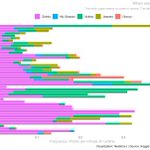


ALT Saliency models are trained on how the human eye looks at a picture as a method of prioritizing what's likely to be most important to the most people. The algorithm, trained on human eye-tracking data, predicts a saliency score on all regions in the image and chooses the point with the highest score as the center of the crop.

ALT Unequal treatment based on demographic differences: People on Twitter noted instances where our model chose white individuals over Black individuals in images and male-presenting images over female-presenting images. We tested the model on a larger dataset to determine if this was a problem with the model. Objectification biases, also known as “male gaze”: People on Twitter also identified instances where image cropping chose a woman’s chest or legs as a salient feature. We tested the model on a larger dataset to determine if this was a systematic flaw.