

Operation Dry Water - the nation’s boating under the influence enforcement and awareness campaign. 2027 ODW Weekend - July 2 – 4, 2027
Nationwide
Joined May 2009
- Tweets5K
- Following342
- Followers2.1K
- Likes1.7K




Be aware of how your wake affects shorelines and creates risks for swimmers, paddlers and other boaters. Protecting our waterways is everyone’s responsibility. #ODW27

Alcohol and drugs play a major role in boater fatalities. Keep your passengers safe by keeping alcohol and drugs off the boat. #OperationDryWater


Cold water and alcohol are a dangerous combination. Alcohol can increase the risks of cold-water immersion, so always stay sober while boating. #OperationDryWater

Gasoline-powered boat engines and generators produce odorless, colorless carbon monoxide (CO), which can be deadly. Install a working CO detector, keep exhaust outlets clear, and stay at least 20 feet from boats running engines or generators when docking, beaching or anchoring.

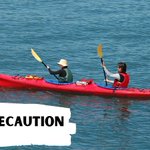
When paddling, never assume power boaters see you. Stay clear of high-traffic areas whenever possible, and remain alert and cautious when navigating areas with heavy boat traffic. #PaddleSafe #OpDryWater

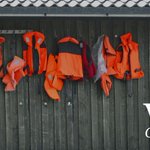
A boating incident can happen when you least expect it. Wearing a life jacket can make all the difference if you capsize or fall overboard. Always ensure everyone on board is wearing a life jacket before heading out on the water. #WearIt #OperationDryWater

The National Association of State Boating Law Administrators (NASBLA) honored the 2026 Operation Dry Water (ODW) award recipients Thursday, Sept. 17, during the NASBLA Annual Conference in Knoxville, Tennessee.
🔗 buff.ly/jpbJjHy

Alcohol impairs judgment and slows reaction time for both boat operators and passengers. It affects your ability to process information, assess risks and make sound decisions, putting everyone on the water at greater risk. #BoatSober #OperationDryWater

Know the rules of the water. Learn to recognize buoys and navigation markers, and use navigation lights properly. Knowing the rules helps prevent collisions and keeps everyone safer on the water. #OperationDryWater

Whether you’re boating, paddling or enjoying any other activity on the water, make sure your life jacket is on before you get underway. Incidents can happen in an instant, and there may not be time to put on a life jacket once an emergency begins. #OperationDryWater

Nearly 300,000 recreational boaters were contacted by law enforcement officers during the 18th annual Operation Dry Water heightened awareness and enforcement weekend.
🔗 buff.ly/wb1hqwk

Always operate at a safe speed, especially in busy or congested areas. Stay alert, maintain a proper lookout and give large vessels plenty of room. #OpDryWater


Heading out on the water? Check the forecast before you go and keep an eye on changing conditions. Darkening clouds, shifting winds or sudden drops in temperature can signal changing weather. If conditions begin to worsen, don’t take chances — get off the water and seek shelter.

Add a whistle to your life jacket for an extra layer of safety. In an emergency, a whistle can help you draw attention and signal for help when you need it most. #OpDryWater

Heading out on the water? Take a few minutes to prepare before you go, check your safety gear and make sure everyone on board has a properly fitted life jacket. Stay prepared, wear your life jacket every time, and make safety a priority on every trip! #WearIt #OperationDryWater

Make sure your emergency signaling devices are working properly and that everyone on board knows where to find them. Check them before you head out — being prepared could make all the difference when every second counts. #OpDryWater

Impaired boating can have serious consequences. Protect yourself and others on the water — never operate a boat while impaired. #BoatSober #OperationDryWater
