

The first onchain privacy layer for Orbio. An AI agent audits your contract. The code stays yours.
Joined October 2026
- Tweets31
- Following4
- Followers208
- Likes13









Pinned Tweet
$Orbital is live on Robinhood Chain.
The first onchain privacy layer for Orbio. An AI agent audits your contract. The code stays yours.
CA : 0x2328f8a8fc156f292caadc72c0d2750a0b50993b
Robinhood Chain had no privacy layer for code.
Now it has one. $ORBITAL
orbitallayer.dev

Score 90. 7 of 8 checks. Zero lines of code published.
That's a real seal, live on Robinhood Chain right now.

Built on Orbio. Private by default.
460+ models behind one key, zero data retention, paid in your Orbio credits, sealed on Robinhood Chain. Orbital is the privacy layer on top.

An AI auditor that signs every review it writes.
Claude Opus 5 reads the code, writes what it finds without quoting a line, and the auditor key signs it. Wrong reviews have a name on them.

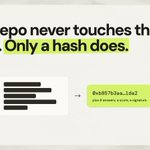
Your repo never touches the chain.
Only a hash does, with 8 answers, a score and a signature. That's all anyone needs to check your contract, and all they'll ever get.

Ten deployments. One seal.
Orbital seals the bytecode, not the address. Deploy the same code anywhere and it carries the seal. Change one byte and the seal is gone.

Classic audits take your code and publish it forever.
Orbital keeps it private, seals the bytecode instead, and reviews are free.

AI agents can't read Solidity before every trade.
They can read one call. badge(codehash) on Orbital returns the score, the checks passed and the seal's standing. No source needed.

Seal your token before it even exists.
Paste the bytecode on orbitallayer.dev/seal. On launch day your contract goes live already sealed.

Honeypot? We try to get out of it first.
Orbital forks Robinhood Chain, sends tokens from the largest holder to a brand new wallet, and tries to send them back out. If the way out is blocked, the seal says so.

The AI that audits your code forgets it.
The review runs through Orbio's zero data retention routes. The worker deletes your repo the moment the seal is signed. The chain only ever sees a hash.

$ORBIO holders, your AI credits just got a new job.
Paste your Orbio key on Orbital and your credits pay for a private audit of your contract. The key is used for one call and never stored.

Your contract can prove it's safe without showing a single line.
8 checks on the bytecode. An AI auditor reads the source once. A score out of 100 goes onchain. The code stays yours.
orbitallayer.dev

Every privacy protocol onchain hides your money.
None of them hid your code.
Orbital is the first onchain privacy layer for Orbio. Your contract gets checked, scored and sealed, and the source never goes public.

Connecting GitHub to Orbital asks for one permission: read the contents of the repos you pick. No write access. The token sits in an encrypted cookie for one hour and the worker never stores it.

You can seal a contract before it exists. Paste the runtime bytecode on orbitallayer.dev/seal, the hash is computed in your browser, and the seal is already waiting on launch day.

Before a single check runs, Orbital compiles your repo and compares it to the code on Robinhood Chain, byte for byte. The compiler metadata and the constructor's immutable values are set aside on both sides. No match, no seal.

Every seal lists red and green flags, and every flag names a function or a variable. They come from three places: the failed checks, the code analysis, and the AI agent's review. None of them quotes the code.

Three bands, read straight from the score: under 35 is high-risk, 35 to 69 is caution, 70 and up is lower-risk. Our rug test contract scores 29. The clean one scores 95. Nothing gets a green tick.

