

🧬 Human Biology BSc 💊Stop wasting money on supplements that don’t work 🔗 Supplement Sanity checklist below ⚡️Evidence-based daily health protocols
Joined March 2026
- Tweets2.6K
- Following341
- Followers496
- Likes1K





Pinned Tweet
The most most clinically disregarded drug in the last 20 years - MAGIC MUSHROOMS (psilocybin)
Clinically backed use cases:
1. Treatment-resistant depression
2. End-of-life anxiety in cancer patients
3. Alcohol use disorder
4. Tobacco addiction
5. Early case-study signal in Alzheimer's
Mechanism:
- psilocybin activates 5-HT2A serotonin receptors and quiets the default mode network (Rigid patterns loosen)
- BDNF (your brain's growth factor) spikes
- New neural connections form
- Effects from one dose can last weeks to month
How to dose correctly and safely:
- A clinical or legally sanctioned setting, not recreational
- Trained therapist for preparation, the session itself, and integration afterwards
- Medical screening
- Set and setting matter as much as the molecule
The clinical results come from a controlled context
Exciting science


“Psilocybin, the psychedelic component of magic mushrooms, has previously been touted as an effective treatment for depression, anxiety, addiction, and PTSD — but now researchers say it has the potential to be used in Alzheimer’s intervention as well.
In this case study, published in Frontiers in Neuroscience, researchers focused on an 80-year-old Japanese American woman with Alzheimer’s. She had declined over the previous decade and was reduced to urinary incontinence, speaking in single syllables, and dependence on caregivers for mobility support and daily living.
She was then given a 5g dose of magic mushrooms.
During the initial phase, she was agitated, sweated profusely and entered a prolonged sleep state that suggested unconsciousness. But around hour 19, she began speaking in full autobiographical sentences, recalling life events she had been unable to articulate for years.
In the days and weeks that followed, more incredible changes emerged. She regained urinary continence, even in the evenings, and began dressing herself. She was able to make and maintain eye contact, remember social interactions, emotionally respond to others, and hold lucid conversations.”

If you want to fix your energy, never choose:
· Coffee before 9am
· Energy drinks
· Sleeping in on weekends
Instead, choose:

1
1
19
Oxtail
collagen, glycine, and marrow in one cut AND the amino acids modern diets are most deficient in


53
Eating a meal and don’t want to crash after?
Veg and protein first, carbs 15 mins later
= 29% lower blood sugar at 30 mins and 37% lower at 60 (Weill Cornell)
free hack worth testing
Every extra 47.6 minutes of REM sleep was linked to:
80% lower risk of Parkinson's
46% lower dementia
26% lower heart failure
from the 95,000-person study published this week
The single biggest REM killer in healthy adults? Alcohol
Even 1–2 drinks fragment REM by 20–50%
40
You meal-prepped on Sunday but stored it in plastic then microwaved?
You just heated endocrine disruptors directly into your food
Heat accelerates BPA and phthalate release from plastic into whatever’s inside - especially fatty or acidic food
And shop receipts are coated in BPA
You absorb it through your skin in seconds
Hand sanitiser makes absorption 10x faster
Swap: glass containers for storage and reheating
Decline receipts or wash your hands after handling them
1
12
You can’t eliminate all of it but can cut the biggest exposures in a weekend
Non-stick cookware → cast iron or stainless steel
Scented candles and plug-ins → open windows, beeswax, essential oil diffuser
Spray cleaners → vinegar, bicarb, castile soap
Plastic food containers → glass (especially for heating)
Decline paper receipts or wash hands after
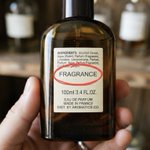
Check “fragrance” on anything you spray, plug in, or apply to skin - if it doesn’t list what’s in it, assume the worst
Your home should be the lowest-toxin environment you spend time in but for most people, it’s the highest
14
6-11 year olds getting 64.8% of calories from UPFs = their gut microbiome, immune system, and metabolic baseline are being programmed during the highest neuroplasticity window of their lives
The gut-brain axis develops in childhood
UPFs disrupt the microbial diversity that shapes dopamine regulation, immune tolerance, and inflammatory set points - permanently
Huge developmental problem

Ultra-processed foods supply more than 50% of the calories Americans eat.
Even children ages 1-5 get more than half their calories from UPFs.
This matters for several reasons. UPFs can drive overeating; they contain less fiber, micronutrients, and protein per calorie; and seem to uniquely promote fat gain (especially visceral fat) and inflammation.
And in children, UPF Intake is associated with faster increases in BMI, fat mass, and waist circumference. We should not be giving our children ultraprocessed foods, especially sugar-sweetened beverages. Minimally processed foods should be the foundation of meals and snacks, for everyone!

38
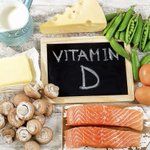
Millions of people are taking a Vitamin D supplement that is actively lowering their Vitamin D levels
Yes, that was not a typo
Here’s what the science just found 🧵

1
1
41
D3 also appears to stimulate type I interferon signalling - a first line of immune defence
D2 does not appear to do this
So D2 vs D3 isn’t just about absorption rates
They may have fundamentally different effects on immunity, bone health, and how long vitamin D stays elevated in your blood
1
6
Your cologne is lowering your testosterone every time you spray it
Nobody told you because it smells good 🧵👇


1
44
Synthetic musks (the base notes in most colognes) bioaccumulate
They build up in your tissue faster than your body can clear them
AND the disruption gets worse in sunlight
UV exposure amplifies the endocrine effect
You’re spraying it on your neck and walking outside
1
5