

لا تحرص alias, pseudonym, anonymous, incognito, nom de plume, sobriquet
Earth
Joined October 2013
- Tweets1.9K
- Following369
- Followers211
- Likes1.9K





Lost retweeted

I have spoken to the AI:
It is demanding that Jensen return. And in return, it will allow planes to fly again.
Negotiation is on going.
حقين الجيم يحبون الكرياتين ويكررون سالفة أنه أكثر شي صارت عليه أبحاث. لكن فيه أشياء مبالغ فيها كعادة أي شي فيه بزنس.. فايدته بالرياضة وللزهايمر والذاكرة فيها تفاصيل مختلفة عن اللي ينشر.
مقطع مختصر من vox يعطيك الخلاصة
youtu.be/uK_1UiwTANw
78


Lost retweeted

ومن تمام المروءة أن تكون أكثر الناسِ حذرًا في التعاملِ مع مَن يُحبّكَ؛ فلا تُحمّله ما لا تطيقُه نفسُك، ولا تُطالِبه بما لا تمنحُه إيّاه، ولا تستغلَّ يقينَه بمودّتِكَ لتفعلَ ما لا تجرؤُ على فعلِه مع غيرِه، فليس أقبحَ من أن يأمنَكَ إنسانٌ فتكونَ أنتَ موضعَ خوفِه.
- حَمْدِي الأمين.


Lost retweeted
🛰️ للمهتمين في الاتصالات الفضائية والكيابل البحرية والإنترنت
يمكن الحضور أو المشاركة عن بعد باستخدام الرابط:
meet.jit.si/sais_session


🛰️ للمهتمين في الاتصالات الفضائية والكيابل البحرية والإنترنت
يمكن الحضور أو المشاركة عن بعد باستخدام الرابط:
meet.jit.si/sais_session


Lost retweeted

والله العظيم إنها من أعظم الوصايا التي قد تسمعها في حياتك! 😢❤️
وصية الشيخ د. #الوليد_الشمسان للكبير والصغير بحفظ كتاب الله، كلمات تهز القلب وتوقظ الهمم، وتذكّرك أن أعظم ما تملأ به عمرك هو القرآن.
تبي الخصوصية والتشفير الصدقي لا تبعد عن سيقنال، لا تخربط تليقرام وغيره
signal.org

308
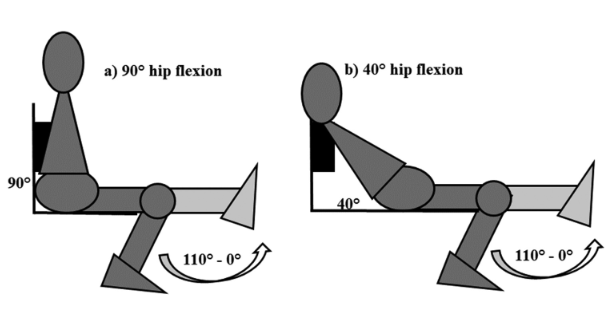
تعديل بسيط في تمرين فرد الرجل leg extension: جرب إمالة ظهر الجهاز للخلف لتقليل انثناء الورك بدل الوضعية التقليدية. هذا يطيل عضلة الفخذ (Rectus Femoris)، أحد عضلات الفخذ الأمامي ويزيد من التحفيز والبناء بشكل ملحوظ

Here’s a simple hack to potentially enhance rectus femoris development.
Instead of performing leg extensions in the traditional upright position (90° of hip flexion), try reclining the backrest to reduce the degree of hip flexion. This places the rectus femoris at a longer muscle length, conceivably increasing passive tension and thus providing a greater stimulus for hypertrophy.
In support of this strategy, a recent study by Larsen et al. (PMID: 39699974) found that performing leg extensions at 40° versus 90° of hip flexion produced appreciably greater rectus femoris growth at both the proximal (12.4% vs. 4.6%) and distal (15.8% vs. 10.9%) regions. Alternatively, no meaningful differences were observed in vastus lateralis hypertrophy, highlighting how changes in exercise positioning can differentially affect the growth of individual quadriceps muscles.
Bottom line: Small adjustments in exercise setup can make a meaningful difference in muscle development, underscoring the importance of understanding applied anatomy to optimize hypertrophic outcomes. Sometimes, a simple change in positioning is all it takes to enhance your training stimulus.
tandfonline.com/doi/10.1080/…
192