

Food Microbiology at Sac State. Views do not necessarily reflect those of CSU Sacramento. Curated by Chris Lopez, Assistant Professor CSUS @micro_clopez
Joined September 2021
- Tweets9
- Following6
- Followers12
- Likes0



Pinned Tweet
Excited to share some of the research going on @sacstate in our food microbiology class. Future posts will be from student in the course on their experiments. Welcome to the world of cool microbes in food!
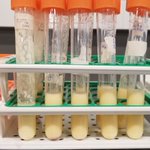
🎄☃️ Holiday experiment performed by food micro students. How much alcohol is needed to kill Salmonella in homemade eggnog? After one week of incubation in the fridge, 10% is not enough, but 20% and 30% will do it!


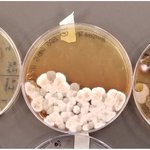
Wild microbes (yeast, bacteria, and molds) cultivated from Sac State plants. Students will inoculate wort (pre-beer) by selecting some of these microbes and analyze microbial population dynamics during beer fermentation.

This week in food micro at Sac State, students collect wild microbes from our greenhouse and arboretum. Will explore the microbes' contributions to beer fermentations! 🍻


Students designing experiments in food micro @sacstate
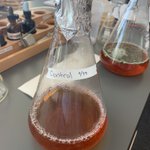
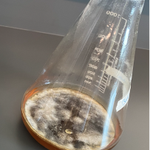
"I’ll explore thyme’s effect on kombucha; control (kombucha) & experimental (thyme added). Thyme oils have anti-fungal properties & I’ll study how this might allow the beneficial microbes to thrive."

Today, we're fermenting cabbage! The only difference between the two is the addition of 5g of Chili Powder. Since most microbes can't handle the spice, we're trying to see how adding the chili will affect the microbes

As students, the return to campus has been everything we had hoped for and more. We started our fermentation lab on week one. With the combination of tea and sugar, we grew microbes over the last couple weeks.


