Pinned Tweet
No banner across the top of your books. No usage telemetry. No account to sign into.
The software does not know you exist, which is the correct amount for accounting software to know about you.
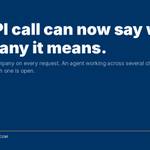
2.25.0 also means an API call can now say which company it means. Point an agent at your install and it works on the right set of books, not whichever one happened to be open. slowbookspro.com
A safety rail for software an AI agent can operate.
An invoice that would put a customer over their credit limit is refused outright, with the limit and balance named. Going over takes a second, explicit flag. Nothing quietly decides the limit didn't matter today.
The twelve-dollar balance nobody is ever going to collect, times forty customers, is a real chunk of a bookkeeper's afternoon.
One number, one click: every open invoice under it is written off, each to its own credit memo, with a list of what was skipped and why.
What can we say
When he’s right - he’s right
🤷♂️🤣
Thanks for the roast @joebenson
Trent is building something awesome with SlowBooks Pro!
Unfortunately, his website (and UI) don't match the quality of his software. Great websites are hard!
He asked me for a roast, and a roast he got ;)
Enjoy @308Greenfield
A check that pays several things — or a loan payment that is principal and interest in one line on your statement — used to mean picking one category and living with it being wrong.
Now it is one entry with several lines, and it tells you what is left to place as you go.
The bottom row of the register is always ready for the next entry. Date, payee, memo, category, amount — Enter posts it and the next row is waiting.
No dialog to open first. The dialog is still there if you prefer it.
Monday morning, two reports.
Who owes you and how long they have owed it. Then the same thing pointed at your suppliers, which is the one people skip.
Dark theme is one click and it sticks.
Both themes are checked for contrast, so working at eleven at night does not mean working with worse software.
Perpetual inventory: the count on this page is the count on the shelf.
An inventory item carries two accounts — what it credits when sold, what it debits as cost — which is the difference between a real gross margin and a guess.
Taxable labour and an untaxed part on the same invoice, because the flag is per line.
And the money you collect sits in a liability account, where it belongs. It was never yours.
Net income from the profit and loss shows up inside equity on the balance sheet.
Same number, two reports. If they ever disagree you have found something real.
This is an independent reimplementation, built from published SDK documentation and fourteen years of using the thing.
No Intuit source, no affiliation. Just a strong opinion about what should happen to software you bought.
P&L by Class scrolls sideways with the account column frozen, and you can jump straight to a department by typing its name.
Keyboard: ‹ Prev, Next ›, Home, End.
Sort your jobs by margin and read the bottom three.
It is almost always the small ones, because the overhead of starting anything is fixed and everybody underestimates it. That is a pricing decision, and this is the only place it shows up.
Drill four levels into a report, press Back, and land exactly where you were — with the period and filters you had.
New in 2.22. You will notice it only when it stops annoying you.
Type three letters in the toolbar and it searches customers, invoices, vendors, items and payments at once.
Faster than remembering which list a thing lives in.
Click any number on any report and the transactions behind it open. Click one of those and you get the document.
Never accept a figure you cannot open.