

Independent data aggregator for tokenized RWA. 🌐 Global hub for tokenized projects 🏢 Platforms 🔍 Due Diligence 📊 Real economy cash flows
Joined January 2026
- Tweets92
- Following2
- Followers3
- Likes17








A smart contract merely translates these documents into code. Which item on this list do retail investors ignore the most?
1
Private Placement Memorandum (PPM). The official disclosure document that strictly defines your rights, the dividend payout mechanics, and the associated risks.
• Valuation Report. An up-to-date property appraisal by a certified professional, not the founder’s imagination.
1
4
• Legal Opinion. A formal assessment from an independent law firm confirming that the tokens are legally tied to the shares and comply with securities laws.
1
2
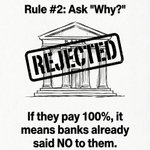
• Title Deed. Direct proof that the physical asset exists and is not pledged as collateral to a bank.
• SPV Incorporation Documents. You are not buying concrete; you are buying shares in the Special Purpose Vehicle (SPV) that owns the property.
1
1
17
Basic Due Diligence Checklist
Tokenization begins with rigorous due diligence. If the project’s Data Room is missing these five documents, you are buying thin air.

1
1
24
What is the true cost of tokenizing a business or real estate asset?
Drop your estimates below.
Let's see who understands the real math.
0%$10000
0%$50000
0%$100000
0 votes • Final results 13
Crowdfunding democratized access to real estate but left investors with highly illiquid positions. Tokenization utilizes the same fractional participation concept while introducing a critical layer: capital mobility on the secondary market and automated execution of obligations.
3
Operational Efficiency: Dividend or rental income payouts are automated via smart contracts. Banking delays and manual administration are eliminated.
1
1
Instant Transfer of Rights: Ownership rights are tokenized. This creates the conditions for instant P2P settlement on a secondary market.
1
2
Tokenization (Blockchain Infrastructure) The asset (business equity or debt obligation) is digitized into tokens on a blockchain, governed by smart contracts.
1
1
Illiquidity: The secondary market is inefficient or non-existent. Investor capital is locked for the entire project duration (often years) with no viable exit strategy.
1
1
The Bottleneck: The platform acts as a centralized intermediary. Ownership rights are recorded in internal, closed registries.
1
Traditional Crowdfunding (Legacy Infrastructure) Investors pool capital on a platform to purchase equity in a legal entity (SPV) or issue a loan to a developer.
1
1
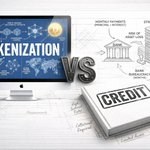
The real estate market is transforming. Fractional investment allows for the collective financing of large assets. Crowdfunding laid the groundwork for this approach, but tokenization changes the underlying capital infrastructure.
1
8

Bottom line: All the developer's funds go directly into construction rather than debt service. In turn, investors can freely resell their shares (tokens) to other buyers on the secondary market without extracting liquidity from the project itself or halting operations.
4
Full operational control. The developer only shares a portion of the future profit and retains complete management control over the project. The bank no longer dictates the terms.
1
4
Rapid fundraising. Digital technologies eliminate bank bureaucracy and unnecessary intermediaries. The capital-raising process is reduced from several months to a few weeks or even days.
1
4