






Pinned Tweet
When TPLF allies with Shaebia—the regime that co-led #TigrayGenocide —they follow a disturbing playbook:
1️⃣ Rewrite the Narrative: Genocide becomes “retaliation,” absurdly justified by things like cattle rustling.
2️⃣ Silence the Victims: Survivors and dissenters are sidelined or branded “obstacles to peace.”
3️⃣ Consolidate Power: It’s not about justice—it’s elite self-preservation, cloaked as diplomacy.
4️⃣ Exploit Trauma Fatigue: “Move on” becomes the message to a shattered people.
The result?
5️⃣ Genocide is normalized—and primed to happen again.


Gen. Tsadkan chose to step back from organized politics while remaining available to advise and support Tigray when needed.
We thank him for decades of dedication, for the courage to speak plainly against injustice, and for giving everything including risking his life.
His role in ending TPLF’s tyranny was second to none.
By making space for the youth and exiting with grace, he has shown true leadership. Tigray is grateful, thank you.


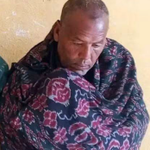
Video shows a kid conscripted by TPLF, sent to Sudan, and captured by RSF.
TPLF’s true face: preying on Tigrayan kids & treating them as disposable cannon fodder for someone else’s war.
Wishing him safety and a future free from their grip.
@hrw @AmnestyEARO @amnesty please help the release of Tigrayans captured by RSF who were forcibly sent to Sudan by TPLF.


Z Medhin retweeted

#Ethiopia,
One of the gravest analytical mistakes about #Tigray today is confusing the narratives of entrenched political networks with the political realities emerging from the people themselves.
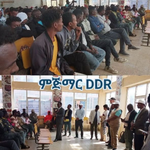
More than five weeks have passed since the latest war erupted in Tigray, and just over two weeks since the caretaker administration was established. The ongoing local elections, attracting hundreds and reportedly thousands of participants across different zones of the region, are becoming more than administrative exercises. They are also public forums where long-suppressed grievances and political demands are finding expression.
Today’s developments in Abi Adi are particularly significant. Abi Adi is the principal town of Tembien, historically one of the important centers of opposition to TPLF rule within Tigray. Grievances over political exclusion and marginalization have persisted for decades, sometimes encountering intimidation and suppression, and, in my assessment, often being contained through political co-optation. The peaceful protests of 2004 and the reported threats against their organizers illustrate how deeply rooted these grievances are.
Based on the accounts I am gathering, the opposition expressed toward any form of revival of TPLF reflects frustrations that extend well beyond the latest political and military upheaval.
That is why I reiterate that Global Analysts must understand that Tigray’s political complexity cannot be reduced to competing narratives circulated by long-established partisan networks. Understanding Tigray requires listening to its people, not merely to those who have long claimed the exclusive authority to speak for them.
The U.S. State Department’s 2004 Human Rights Report documented peaceful protests in Abi Adi, Tembien, and reported threats of arrest by TPLF Central Committee members against protest organizers.
Source: U.S. Department of State, 2004 Country report.
2001-2009.state.gov/g/drl/rl…


