

T, B, & NK cells and Stem cell scientist for 50 yrs , Commercialized CD4/IL-2r, CD34 Mabs at BDMC &ABI TaqMan mRNA Gene Expression during human genome project.
California
Joined September 2010
- Tweets27.1K
- Following948
- Followers1.2K
- Likes46.8K




Pinned Tweet
Andy Blidy
Caravello A and Blidy A (2026) A
proposed convergent molecular
chain linking senescence, cancer,
and chronic infection to a correctable
failure of dendritic cell instruction.
Front. Immunol. 17:1861044.
doi: 10.3389/fimmu.2026.1861044
COPYRIGHT
© 2026
HYPOTHESIS AND THEORY article
Front. Immunol., 30 July 2026
Sec. Dendritic Cells, Macrophages and APC Immunology
Volume 17 - 2026 | doi.org/10.3389/fimmu.2026.1…
A proposed convergent molecular chain linking senescence, cancer, and chronic infection to a correctable failure of dendritic cell instruction
Andrew Caravello and Andrew Blidy
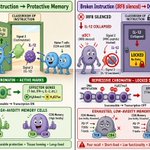
The document proposes a paradigm shift in immunology, focusing on correcting immune instruction via dendritic cells to treat aging, cancer, and autoimmunity.
Main Concept
•The immune system functions like a school, with dendritic cells as teachers directing immune responses.
•Aging and disease impair dendritic cell polarity, leading to tolerance, cancer hiding, or autoimmunity.
•The core failure involves the silencing of IRF8, reducing IL-12 and impairing immune education.
•Restoring dendritic cell function can re-establish proper immune discrimination.
Proposed Intervention
•Use patient-derived monocytes matured into alpha-type-1 polarized dendritic cells (αDC1).
•Infuse these cells to deliver IL-12, reactivate IRF8, and restore immune surveillance.
•This approach acts as a biological reboot, clearing senescent cells and correcting immune default states.
•The method can be tailored for tolerance or immunity, depending on clinical goals.
Implications and Industry Movement
•Current treatments target downstream effects; this approach addresses upstream instruction failure.
•Major pharma invests in scalable cell manufacturing, positioning dendritic cell therapies at leverage points.
•The shift suggests a focus on rewriting immune "manuals" rather than symptom suppression.
To answer the question about the role of dendritic cells in aging, I have drawn directly from the provided document, which presents a novel immunological framework. This framework positions dendritic cells as central 'teachers' in the immune system, whose dysfunction is a key driver of aging and age-related diseases. Below, I explain the mechanisms, consequences, and potential interventions, using examples and clear analogies from the document. Dendritic Cells: The Immune System's Teachers Dendritic cells (DCs) act as the primary instructors of the immune system. They determine whether other immune cells (like T cells) should attack a threat or tolerate it. When dendritic cells provide clear and accurate instructions, the immune system efficiently clears damaged or senescent cells, prevents early cancers, and keeps inflammation under control.
What Goes Wrong with Aging? As we age, or under chronic stress (such as cancer or persistent infection), the following sequence occurs: Senescent cells (sometimes called 'zombie' cells) accumulate especially in bone marrow and release inflammatory signals known as the senescence-associated secretory phenotype (SASP).These signals keep a protein called STAT3 switched on in the bone marrow, where new immune cells are made.STAT3 then recruits enzymes that silence a master gene called IRF8, which is essential for the most important type of dendritic cell (cDC1).Once IRF8 is silenced, dendritic cells stop producing the key messenger IL-12 and lose their ability to properly instruct the immune system.
Consequences Immune surveillance collapses: The body stops efficiently clearing senescent cells and early tumors. Imbalance between attack and tolerance: The immune system may tolerate threats it should attack, or attack the body's own tissues (autoimmunity).Chronic inflammation and disease: More than twenty disease settings are linked to this failure of dendritic cell instruction. Example Analogy The document compares the immune system to a school, with dendritic cells as teachers. If the teachers (dendritic cells) give the wrong lessons or fall silent, the students (other immune cells) become confused, leading to poor performance (disease, aging, cancer).
I have drawn directly from the provided document, which presents a novel immunological framework. This framework positions dendritic cells as central 'teachers' in the immune system, whose dysfunction is a key driver of aging and age-related diseases. Below, I explain the mechanisms, consequences, and potential interventions, using examples and clear analogies from the document.
Dendritic Cells: The Immune System's Teachers
Dendritic cells (DCs) act as the primary instructors of the immune system. They determine whether other immune cells (like T cells) should attack a threat or tolerate it. When dendritic cells provide clear and accurate instructions, the immune system efficiently clears damaged or senescent cells, prevents early cancers, and keeps inflammation under control.
What Goes Wrong with Aging?
As we age, or under chronic stress (such as cancer or persistent infection), the following sequence occurs:
•Senescent cells (sometimes called 'zombie' cells) accumulate and release inflammatory signals known as the senescence-associated secretory phenotype (SASP).
•These signals keep a protein called STAT3 switched on in the bone marrow, where new immune cells are made.
•STAT3 then recruits enzymes that silence a master gene called IRF8, which is essential for the most important type of dendritic cell (cDC1).
•Once IRF8 is silenced, dendritic cells stop producing the key messenger IL-12 and lose their ability to properly instruct the immune system.
Consequences
•Immune surveillance collapses: The body stops efficiently clearing senescent cells and early tumors.
•Imbalance between attack and tolerance: The immune system may tolerate threats it should attack, or attack the body's own tissues (autoimmunity).
•Chronic inflammation and disease: More than twenty disease settings are linked to this failure of dendritic cell instruction.
Example Analogy
The document compares the immune system to a school, with dendritic cells as teachers. If the teachers (dendritic cells) give the wrong lessons or fall silent, the students (other immune cells) become confused, leading to poor performance (disease, aging, cancer).
Why Is This Important?
This is not just another story about inflammation and aging. The document argues that the failure of dendritic cell instruction is a specific, upstream, and potentially correctable problem. Instead of treating the symptoms (like inflammation or cancer), the focus should be on restoring the dendritic cells' ability to instruct the immune system correctly.
Potential Intervention: The Biological Reboot
The proposed solution is to manufacture new, properly instructed dendritic cells outside the body and infuse them back into the patient. These cells can restore the immune system's ability to clear senescent cells and rebalance the immune response, potentially slowing or reversing aspects of aging.
Example Implementation:
•Take a patient's own monocytes (a type of white blood cell).
•Mature them outside the body into alpha-type-1 polarized dendritic cells (αDC1) using specific signals.
•Infuse these cells back into the patient, where they restore proper immune instruction.
Summary Table: Dendritic Cell Role in Aging
StepMechanismConsequence
1Senescent cells release SASPto Chronic inflammation
2STAT3 activation in bone marrowto Silencing of IRF8 gene
3Loss of IL-12 production by DCsto Poor immune instruction
4Immune surveillance failsto Aging, cancer, autoimmunity
In summary: Dendritic cells are central to immune system function and aging. Their dysfunction, driven by molecular changes as we age, leads to a breakdown in immune surveillance and contributes to age-related diseases. Restoring their function may offer a powerful new approach to healthy aging.
Analyze how dendritic cell modulation could reshape treatment paradigms for aging-related diseases.
To analyze how dendritic cell (DC) modulation could reshape treatment paradigms for aging-related diseases, I have synthesized evidence and arguments from the provided document. The document presents a paradigm shift: instead of targeting downstream symptoms (like inflammation or cancer cells), it proposes restoring the central instructional role of dendritic cells to correct immune dysfunction at its source. Below, I break down the current state, the proposed shift, and the practical implications for treatment.
Current State: Treating Symptoms, Not the Source
•Traditional Approaches: Most current therapies for aging-related diseases (cancer, autoimmunity, chronic inflammation) focus on downstream effects—killing cancer cells, blocking immune checkpoints, suppressing inflammation, or clearing senescent cells with drugs.
•Limitations: These approaches often deliver incomplete or temporary benefits because they do not address the root cause: the loss of proper immune instruction due to dendritic cell dysfunction.
The Paradigm Shift: Dendritic Cell Modulation
•Central Hypothesis: Dendritic cells are the 'teachers' of the immune system. When their instructional capacity is lost (due to molecular changes like STAT3 activation and IRF8 silencing), the immune system defaults to tolerance, allowing aging, cancer, and autoimmunity to progress.
•Modulation Strategy: The proposed intervention is to manufacture new, properly instructed dendritic cells (specifically, alpha-type-1 polarized dendritic cells or αDC1) outside the body and infuse them back into the patient. These cells restore the immune system's ability to clear senescent cells and rebalance attack/tolerance.
Example Implementation:
•Take a patient's monocytes or use donor cells.
•Mature them into αDC1 using interferon-gamma and multi-TLR signals outside the body (away from the STAT3/IRF8 silencing environment).
•Infuse these cells back into the patient, where they deliver a strong IL-12 pulse, restore IRF8 expression, and reboot immune surveillance.
How This Reshapes Treatment Paradigms
1.Upstream Correction vs. Downstream Management:
oInstead of treating each symptom or disease manifestation separately, DC modulation targets the upstream instructional failure, potentially correcting multiple downstream problems at once.
2.Personalized and Adaptive:
oThe same cell manufacturing process can be tuned for different outcomes: boosting immunity (for aging, cancer) or inducing tolerance (for autoimmunity, transplantation).
3.Reduced Need for Chronic Suppression:
oBy restoring proper immune instruction, there may be less reliance on chronic immunosuppression or repeated drug interventions.
4.Potential for Disease Modification:
oRather than just managing symptoms, this approach could modify the course of aging-related diseases by reactivating the body's own surveillance and repair mechanisms.
Industry Implications and Opportunities
•Scalable Manufacturing: Major pharmaceutical companies are investing in cell therapy manufacturing platforms, recognizing the leverage of producing instructional cells at scale.
•Broad Applicability: This approach could impact not only aging and cancer, but also autoimmunity and chronic post-infectious syndromes that share the same upstream polarity failure.
Summary Table: Comparison of Paradigms
Traditional ParadigmDendritic Cell Modulation Paradigm Treats symptoms (inflammation, cancer, etc.)Targets root cause (immune instruction failure)
Multiple drugs for multiple diseases.....Single cell-based intervention for multiple conditions
Chronic management.....Potential for disease modification ....Focus on effectors/checkpointsFocus on restoring immune 'teachers'
In summary: Dendritic cell modulation represents a shift from symptom management to root-cause correction in aging-related diseases. By restoring the immune system's instructional capacity, this approach could enable more effective, durable, and broadly applicable treatments, fundamentally changing how we approach aging, cancer, and autoimmunity.

Andy Blidy retweeted
No one can seam to explain why NWBO DCVax-L is not approved ……any thoughts ….please explain the key aspects of tumor lysate …what are the key antigen presented to CD4 cascades
Andy Blidy retweeted

As a cancer biologist, imo the idea "solving cancer" is itself a problem. It's not a singular. It's dozens of complex diseases manifesting in 1000s of ways in different patients. There is no one event of "solving" cancers. "Solve" is more a math verb, not the right verb for bio.


Andy Blidy retweeted
A rare disease can take years to name. For a child with #DIPG, every day counts. #DCVax-L merits approval for adult #glioblastoma. Then could a lab grow cells left on one brainstem biopsy needle to make that child a vaccine in time?
$NWBO #DCVaxForBraelyn
xitter.gq/andrewcaravello/articl…

Andy Blidy retweeted
In the phase 3 DCVax-L trial, 201 people were excluded because their tumors yielded too little lysate. Could growing cells from the tissue a patient has already given open a vaccine trial to people who face that same barrier today?
Andy Blidy retweeted
$NWBO #HIV #DCVax #DendriticCells #Immunotherapy
𝗧𝗵𝗲 𝗴𝗼𝗮𝗹 𝗶𝘀 𝘁𝗼 𝗲𝗻𝗱 𝘁𝗿𝗲𝗮𝘁𝗺𝗲𝗻𝘁 𝘄𝗶𝘁𝗵𝗼𝘂𝘁 𝗹𝗼𝘀𝗶𝗻𝗴 𝗰𝗼𝗻𝘁𝗿𝗼𝗹 𝗼𝗳 𝗛𝗜𝗩.
HIV medicines suppress the virus. Silent infected cells can remain behind and restart it when treatment stops.
Kalinski and Mailliard’s type 1 dendritic-cell approach, called αDC1, addresses that hidden infection through the immune system’s own instructors.
𝗘𝘅𝗽𝗼𝘀𝗲 𝘁𝗵𝗲 𝗶𝗻𝗳𝗲𝗰𝘁𝗶𝗼𝗻. 𝗣𝗿𝗲𝗽𝗮𝗿𝗲 𝘁𝗵𝗲 𝗮𝘁𝘁𝗮𝗰𝗸. 𝗠𝗮𝗸𝗲 𝗰𝗼𝗻𝘁𝗿𝗼𝗹 𝗹𝗮𝘀𝘁.
In patient-derived laboratory cultures, prepared dendritic cells helped bring latent HIV into view. In separate experiments, dendritic cells presenting HIV fragments generated killer T cells that attacked infected targets and suppressed infectious viral outgrowth.
Those are real biological components of an HIV-cure strategy. Lasting control in people is the clinical goal.
The new JCI Insight paper takes the next question inside the vaccine: which cells supply its strong immune instruction, and how can that function be made more consistent?
The αDC1 preparation produced substantially more active IL-12 than the PGE2-matured comparator. The small percentage of cells detected making IL-12 is a laboratory measurement of one function, not a patient response rate.
𝗧𝗵𝗲 𝗮𝗶𝗺 𝗶𝘀 𝗱𝗲𝗽𝗲𝗻𝗱𝗮𝗯𝗹𝗲 𝗽𝗼𝘁𝗲𝗻𝗰𝘆, 𝗯𝗮𝘁𝗰𝗵 𝗮𝗳𝘁𝗲𝗿 𝗯𝗮𝘁𝗰𝗵.
That is where Northwest’s Kalinski-related licenses and αDC1 manufacturing work matter. The company is building the production and clinical-development capabilities needed to turn these cell designs into reproducible medicines.
The full article connects the HIV findings, helper-cell licensing, IL-7 support and Northwest’s manufacturing role around that single purpose: immune control that outlasts treatment.
𝗙𝘂𝗹𝗹 𝗮𝗿𝘁𝗶𝗰𝗹𝗲 ↓
xitter.gq/andrewcaravello/articl…

$NWBO
Type 1-polarized DC immunotherapeutic contains heterogeneous populations with IL-12p70 production restricted to a rare subset
insight.jci.org/articles/vie…
This paper compares two types of DC vaccine: αDC1 and PGE2-DC (pgDC). Dr. Kalinski is one of the authors.
Here’s the really interesting part. Both vaccines were also tested head-to-head in a clinical trial — not in cancer, but in HIV (DC-HIV04, NCT03758625).
So if you think DC vaccines can only treat cancer, think again.
Comparison of Dendritic Cell-Based Therapeutic Vaccine Strategies for HIV Functional Cure (DC-HIV04)
clinicaltrials.gov/study/NCT…
Comparison of Dendritic Cell-Based Therapeutic Vaccine Strategies for HIV Functional Cure
reporter.nih.gov/search/y6Bu…
Autologous Dendritic Cell Vaccine in HIV1 Infection
clinicaltrials.gov/study/NCT…


Andy Blidy retweeted

$NWBO’s DCVax-L UK application seeks approval for both newly diagnosed and recurrent glioblastoma. My view: that scope deserves attention—patients need options at both stages. MHRA review continues. #DCVaxL #Glioblastoma


Andy Blidy retweeted

To cure cancer you need SenoMune...and NK cells
Melanoma stem-like cells can recruit monocytes and reprogram macrophages into an unusual inflammatory, pro-angiogenic state. These macrophages then suppress NK-cell cytotoxicity. A 2026 study reveals another mechanism by which cancer stem cells manipulate immunity.
doi.org/10.3389/fimmu.2026.1…

Andy Blidy retweeted

$nwbo @alphavestcap
xitter.gq/andrewcaravello/status…
@andrewcaravelloDCVax-L, Braelyn and Stephen Moore’s Challenge to the FDAWhat Stephen Moore Is Asking For
0:00 / 9:59]Stephen Moore has called on the FDA to let Americans access promising cancer treatments at home. His October 20 commentary at Rasmussen Reports,“The FDA Should Grant Americans the Right to Try New Cancer Treatments,”opens with a young woman traveling from South Carolina to London for personalized immunotherapy. The patient is Braelyn. Her treatment is DCVax-L. Her mother, Amanda Hollensbe, publicly identified her as the subject of Moore’s column. [1,3,4]Moore asks for three changes: let rare-disease patients try treatments supported by a compelling prospect of success; broaden compassionate use so a physician and informed patient can proceed through notification to FDA; and allow American access to qualifying therapies approved in developed nations under a separate designation. His argument places the treatment decision, and the cost of waiting, directly in the national policy debate. [4The objective is a usable American pathway for DCVax-L. That requires a clear answer to a family’s immediate access request, a complete clinical and manufacturing case for FDA assessment, and treatment centers prepared to provide care with costs understood in advance. Moore’s intervention should lead to named responsibilities and a published process that physicians can use. The result to pursue is an eligible patient receiving treatment through an organized U.S. clinical service.]The institutional connection gives that intervention weight. Moore cofounded and chairs Unleash Prosperity. With health economist Tomas Philipson, he coauthored a February report on the economic value of reducing cancer deaths and an FDA-reform report dated May. The latter proposes advancing regulatory review, manufacturing preparation and payer coverage work together, and explicitly names glioblastoma among its targets. His new column brings a patient’s experience into a reform agenda already written down. [11,26,27]Braelyn is nineteen and wants to become a Child Life Specialist, helping children through frightening hospital experiences. She has experienced that world from the patient’s side. Amanda describes seizures, difficulty speaking and numbness beginning the day after Braelyn’s sixteenth birthday. Surgery, radiation, infections and rehabilitation followed. Braelyn graduated from high school in May 2025 and started college. [1]Her family travels approximately four thousand miles for an injection appointment that takes minutes. She receives DCVax-L through a special-access arrangement in London. [1]Her vaccine has already been made. In an October 18 public update, Amanda said eight years’ worth of doses had been manufactured from Braelyn’s tumor, with treatment planned over at least the next three years. The family is raising money to reach medicine prepared specifically for her. [2]The MRI sequence is part of the story. The February 26, 2026 image preceded UCLA surgery. Amanda identifies the comparison image as an August scan and reports that UCLA could see no tumor tissue, including residual tissue deliberately left at surgery. In her October 13 updates, she placed that clear MRI after the first three DCVax-L injections and said Keytruda was added afterward. [28,29,30]FIGURE 1. Braelyn’s MRI timeline. The earlier photographed view is undated. The image dated February 26, 2026 precedes UCLA surgery and DCVax-L; the August image follows surgery and the first three doses, according to Amanda’s public account. She reports no visible tumor tissue, including the residual tissue left at surgery, and places Keytruda after the clear MRI. Images supplied by Andrew Caravello. Identifying overlays removed; scan content retained. [28,29,30
]Moore reports clear scans and a young woman attending college. His challenge now concerns where American patients can receive promising care and who can make that decision. The work that follows is concrete: assess the evidence, establish a usable domestic route and prepare the supplier, clinic and payment arrangements together. That is how his three proposals become treatment a family can reach. [4Why Stephen Moore’s Involvement Matters]Moore has spent his career moving economic arguments into public policy. He founded and led the Club for Growth from 1999 to 2004, then served as a senior economics writer and editorial-board member at The Wall Street Journal from 2005 to 2014. Unleash Prosperity’s current biography identifies him as a senior policy adviser to Donald Trump in both 2016 and 2024. [5,27]In 2015, he joined Steve Forbes, Larry Kudlow and Arthur Laffer in launching the Committee to Unleash Prosperity. Its mission centers on economic growth and opportunity, with regulatory policy among its main concerns. The organization identifies Unleash Prosperity Now as its 501(c)(4) partner. The latter publishes the research that gives this story its institutional significance. [6,7,8]Rasmussen Reports, which published Moore’s commentary, is the polling and media company founded by Scott Rasmussen in 2003. Its role here is to carry the argument to a public-policy audience. The economic research and reform proposals come from the Unleash Prosperity organizations. [9That combination matters. Cancer-treatment access has reached a writer and an organization accustomed to asking how rules affect investment, production and opportunity. In that vocabulary, an American invention that patients must travel abroad to receive represents unfinished work: the country has helped create the science without completing the route by which its residents can use it.]The other name to know is Tomas Philipson. The University of Chicago health economist previously advised the head of FDA and then the head of the Centers for Medicare and Medicaid Services, or CMS. He also served on the White House Council of Economic Advisers, including as acting chairman. His experience spans the agency that reviews medicines and a major federal institution responsible for coverage and payment. [10]Philipson and Moore coauthored the reports behind this argument. Their collaboration connects two decisions that families experience as one: whether a treatment can be provided and whether they can obtain it without exhausting their resources. [11,26The Plan Behind The Column]In February 2026, Moore and Philipson published “The Economic Value of Eliminating Cancer.” Their model examines the value of reducing cancer deaths through longer lives, additional productive years and fiscal effects. Its method counts the years a person would otherwise lose. The authors explain that this “implicitly values saving a child more than saving an older person,” because more years of life remain at stake. By that logic, preserving the future of a nineteen-year-old belongs near the center of the economic case for effective cancer treatment. Under its modeled elimination scenario, the authors estimate a present value of approximately $118.5 trillion in 2026 dollars. This is an economic valuation of projected benefits across the population. [26The useful insight is the unit being valued: time to live. A treatment’s price appears immediately on a bill. The value of the life it helps preserve extends through education, relationships, work and ordinary days. That difference helps explain why a narrow accounting of treatment expenditure misses much of what patients and society stand to gain from effective care.At nineteen, Braelyn makes that life-years argument tangible. Successful treatment for a young person can preserve decades in which to study, work, build relationships and help others. Her ambition to work with hospitalized children gives those future years a purpose beyond the figures in a model.]The second report moves from value to implementation. “The Multi-Trillion Dollar Opportunity in Reforming the FDA,” dated May 2026 and prepared by Unleash Prosperity Now, names Moore and Philipson on its cover. It proposes a Cancer Warp Speed Office with oversight across FDA, NIH, the National Cancer Institute, CMS and federal military and veterans’ health systems. Its proposed targets expressly include glioblastoma. [11]The chronology connects the argument. In February, Moore and Philipson valued the years cancer takes. In May, they proposed a federal program and named glioblastoma among its targets. In October, Moore wrote about a young woman with that disease traveling abroad for treatment. [4,11,26]The report’s central operational proposal is to advance scientific review, manufacturing preparation and payer coverage determinations in parallel for designated priority programs. It also calls for more specialist review capacity and clearer disease-specific guidance for external-control studies. [11Read that proposal against Braelyn’s calendar. Her family plans a dose, a flight and a stay in London. A domestic alternative would have to answer three questions together: under what authority can she receive treatment, which institution can provide it and how will it be paid for? An answer to one leaves the family working on the other two.The proposed office would put responsibility for those connections in one place. Reviewers could identify their evidence requirements while manufacturing teams prepare quality records, clinical sites establish procedures and payers assess coverage. The work would advance toward the same practical destination: a patient with an appointment she can keep.That is the connection between Moore’s column and his organization’s program. The column asks for access. The report describes how institutions could be organized to deliver it. The practical test is whether a favorable decision leads to an available appointment, a supplied dose and a payment arrangement the patient can use.Three Proposals, Three Different Decisions]Moore’s first proposal addresses the evidence needed to consider an opportunity. In rare diseases, he argues, a compelling prospect that a treatment could work should support access. Biological understanding and emerging clinical results would carry more immediate weight in a patient’s decision. [4The consequence is to ask a specific question early: what evidence justifies offering this treatment to this patient now? The answer must connect the disease, the proposed intervention, the experience of treated patients and the consequences of waiting. That gives the physician and patient a reasoned basis for action.]His second proposal addresses who can act. Moore would broaden compassionate use so that a physician and an informed patient could proceed through a notification-based arrangement. Responsibility would sit closer to the people confronting the illness. [4]The current American routes explain why that proposal needs precise implementation. FDA expanded access requires agency authorization and institutional review board oversight, with criteria covering clinical need, benefit and risk, and protection of ongoing development. Federal Right to Try uses a different eligibility structure and does not require FDA approval of individual requests. Both require an eligible product and a manufacturer willing to provide it. [12,13A usable reform would tell a family like Braelyn’s whom to contact, which route applies, whether the supplier will participate and where treatment can be given. The answer should include timing and cost. Otherwise, the family is left translating a legal category into a course of care.]Moore’s third proposal addresses which treatments Americans could reach. A qualifying approval in a developed nation would permit domestic access under a designation identifying the treatment’s status. Foreign regulatory work would have a direct consequence for an American patient’s choices. [4]FDA’s Project Orbis already provides an example of shared international oncology review. Partner regulators, including the United Kingdom, can evaluate submissions concurrently while retaining their own decisions and timelines. Moore’s proposal would attach a further access consequence to qualifying foreign authorizations. [14,15]For Braelyn, treatment at home requires a domestic route that accepts her product, a willing supplier and a clinical center prepared to administer it. Moore’s first two proposals address the decisions needed for individual access. His third addresses products with qualifying foreign approvals. Her current care uses a special-access arrangement; bringing that kind of care home requires explicit American eligibility criteria and a participating clinical service. [1,4Together, the three proposals change the threshold for considering access, the authority to provide it and the range of therapies available. Implemented as a connected system, they would give more patients a route through the process before disease takes away the opportunity to use it.Individual Access, Licensing And PaymentA patient’s ability to receive treatment, a product’s marketing authorization and the payment for care are three separate decisions. Making each decision explicit shows what the reform is intended to accomplish.]Individual access answers whether a particular patient can receive an investigational product through an available legal route. FDA’s current guidance describes physician- and industry-submitted requests for drugs and biologics, including individual patients, intermediate-size groups and treatment programs. A usable DCVax-L route must identify which arrangement is appropriate, who will submit the request and whether the manufacturer will supply the product. [31,33]Marketing authorization answers a broader question: whether the product meets the requirements for a defined indication and can be supplied commercially under an approved license. For a cell product, that assessment joins the clinical evidence with manufacturing quality and biological function. The application must support the product and use being requested. [16,23]Payment answers whether the patient can afford the treatment that a physician is able to provide. FDA explicitly advises patients to consider both the investigational product and the medical services required, because private insurance and Medicare often do not cover those costs. A treatment appointment and a funding decision therefore have to be planned together. [34]Braelyn’s family already has an arrangement for treatment in London and is fundraising for its continuation. Bringing care home means building a domestic route for which the patient, product, supplier and clinical site meet the applicable requirements, and resolving how that care will be paid for. A policy should tell the family which of those decisions is settled and who owns the next one. [1DCVax-L Brings The Evidence Question Into Focus]DCVax-L uses two materials from the patient: immune cells collected from blood and material from the surgically removed tumor. Dendritic cells are prepared outside the body and loaded with tumor lysate, the material produced by breaking down tumor tissue. These cells present tumor-derived information to T cells, which are central to an immune attack. The antigen-presenting cell is part of the treatment. [20,21This is why personalized cellular immunotherapy requires both clinical evidence and a reliable manufacturing process. The patient-specific tumor material supplies the targets. The prepared cells have to perform their intended biological work. A manufacturing batch and an immune response are connected steps in the same therapeutic strategy.]Liau and colleagues’ Phase III publication reported statistically significant longer overall survival compared with matched external controls. In newly diagnosed glioblastoma, median survival was 19.3 months from randomization versus 16.5 months. In recurrent disease, it was 13.2 months from relapse versus 7.8 months. Estimated five-year survival in the newly diagnosed analysis was 13.0 percent versus 5.7 percent. [20]Northwest’s July 2026 BNOS presentation reported additional patient-level analyses using propensity-score matching and inverse-probability weighting. These methods adjusted the comparisons for measured prognostic differences. Favorable survival findings persisted in the company’s reported reanalyses of the treated cohort against additional comparator data. [22]This is a concrete reason the external-control question belongs in the access debate. DCVax-L already has published survival findings that require assessment of how the comparator groups were assembled and analyzed. The report coauthored by Moore explicitly calls for clearer guidance in this area. A defined evidentiary route gives developers a target and reviewers a consistent basis for evaluating the submission. [11,20,22For a family choosing whether to pursue a treatment, published results are the beginning of an answer. The clinical record, manufacturing information and safety data must reach the regulator as one organized case. Completing that assessment promptly gives the treating team a decision around which it can organize care.The Plausible Mechanism Pathway And The Voucher Program]Two FDA initiatives address different parts of that task. The Plausible Mechanism Pathway, developed in FDA’s draft guidance as a framework for individualized therapies, concerns evidence. The Commissioner’s National Priority Voucher (CNPV) program concerns the review process. Using them intelligently starts with understanding what each one does. [16,17]FDA’s February 2026 plausible-mechanism draft is built principally for individualized therapies targeting defined genetic conditions in small patient populations. It links a disease-causing abnormality to a treatment, evidence that the target was engaged and improvement in the patient’s clinical course. The draft also says its general concepts may apply to other individualized therapies. [16For personalized cancer immunotherapy, the productive connection is a sequence of measurements. Establish what the cell product is designed to do. Assess that function in the manufactured product. Measure the immune response and follow the disease course. The resulting evidence explains the steps between giving a treatment and observing an outcome. It makes the biological argument testable.]For DCVax, the work is to establish a product-specific evidence plan with the appropriate FDA review division. Mechanistic findings, clinical outcomes, suitable comparators and manufacturing quality belong in that discussion. The framework provides a disciplined way to connect those questions for the therapies within its scope. [16]The voucher pilot addresses how quickly an application can be reviewed. For selected products, FDA targets approximately one to two months and offers enhanced communication and rolling review. Its priorities include unmet medical need, domestic manufacturing and affordability. [17]The short review clock depends on substantial work beforehand. FDA’s FAQ describes advance manufacturing and labeling submissions, generally at least sixty days before the complete application and at least 120 days where foreign inspections are anticipated. A voucher awarded during development can also bring earlier communication benefits. [18That detail changes the practical meaning of speed. The aim is to have the evidence, manufacturing information and inspection planning ready together. A developer pursuing an expedited route must organize the work around that readiness. The time saved comes from earlier preparation and fewer avoidable gaps between decisions.]FDA demonstrated the program’s oncology relevance on October 19, announcing accelerated approval of a new dostarlimab indication for a defined group of patients with locally advanced rectal cancer. The agency described it as the eleventh approval under the voucher pilot, completed nearly four months ahead of schedule, with continued follow-up of the treated patients. [19Braelyn’s next trip is measured in dates on a calendar. That is also how a faster review should be judged: how much earlier can an eligible patient receive an evaluated treatment? Advance preparation gives a favorable decision somewhere to go, through a supplied clinic and an appointment that can be booked.Make Access A Service Families Can Use]For a tumor-derived vaccine, planning begins when tissue becomes available. The surgical and pathology teams should know the requirements for preserving suitable material for a potential cellular therapy, alongside the patient’s diagnostic needs and consent. The treating team needs a clear route for learning whether that material is suitable for manufacture. DCVax-L’s use of the patient’s tumor material makes this an early clinical handoff, long before the eventual injection. [20,21From there, immune-cell collection, manufacture, release testing, transport, storage and administration have to fit the patient’s treatment schedule. The proposal is to make those steps a coordinated service, with a responsible contact and written instructions available to the referring physician.]FDA’s potency-assurance draft connects process design, material controls, in-process testing and release assays to the intended biological activity of cellular and gene therapies. That framework explains why manufacturing readiness belongs beside the clinical dossier: the product supplied to the patient must reliably perform the function being evaluated. [23]The NHS Blood and Transplant collaboration with Northwest and Advent provides a concrete example of assigning parts of the pathway to an established service. NHSBT describes leukapheresis to collect immune-cell starting material and specialist cell processing and handling. Leeds and Oxford are the initial locations, with phased expansion being explored. [24The useful lesson from Leeds and Oxford is that a part of the pathway now has a location and a team. An American program needs the same specificity: where cells are collected, who manufactures the product, who receives it, where the injection is given and whom the family calls when a handoff fails. Those decisions belong in the access program from the beginning.]Payment has to be part of that service. Amanda’s fundraiser estimates about $35,000 for each of seven planned future treatment trips, including the dose, transport, administration, flights and lodging. Her budget puts the full cost of access in one place. [1A domestic program should remove avoidable travel costs and establish treatment charges, coverage and financial support early. A family needs to know what it owes before the appointment approaches. Making the route usable beyond households able to finance international travel is where the reform becomes a change in who can receive care.Who Should Do What Now]FDA and HHS should make early, product-specific engagement the center of the regulatory work. For DCVax-L, the sponsor and the appropriate FDA division should define the clinical evidence to be assessed, the comparator and sensitivity analyses required, the safety follow-up, and the manufacturing and potency information needed. They should also resolve whether concepts from the plausible-mechanism framework fit this product’s proposed evidence strategy. That produces an agreed set of questions and an actionable submission plan. [16,23,25]Northwest and its manufacturing partners should organize the clinical, safety and production records around those questions. The public-facing task is equally concrete: maintain an easily found account of how U.S. physicians can ask about access, the criteria used to evaluate requests, the company’s willingness and capacity to supply treatment, the documents required, the expected response time and the costs. FDA explains that manufacturers create expanded-access programs and that it can also consider individual requests where no suitable program exists. The sponsor’s participation is therefore central to a workable route. [31]Confidential manufacturing information can remain protected while the clinical pathway becomes clearer. FDA describes a Letter of Authorization that permits the agency to reference information in the company’s existing investigational file for a physician’s individual-patient application. This provides a practical way to connect the doctor’s request with the manufacturer’s technical record. Public procedural guidance and confidential product know-how can coexist. [32]Clinical centers should identify the physician responsible for the patient, the team receiving and administering the product, the required oversight and the staff coordinating follow-up. FDA provides Form 3926 and an electronic request route for individual


Andy Blidy retweeted

The acquisition of NeuroAirmid Therapeutics, Inc. along with certain worldwide rights to HUNT1 (hNSC01), a pluripotent stem cell derived clinical-stage neural cell therapy program for the treatment of Huntington's Disease, adds a third clinical stage asset to $LCTX's development pipeline, and aligns with our capabilities in cell manufacturing, process development, and scale-up. The HUNT1 program represents the culmination of decades of research led by Leslie Thompson, PhD, and is currently being evaluated in the #REGEN4HDclinical study at @UCIrvineHealth.
Full article by @UCICove: innovation.uci.edu/news/neur…
#CellTherapy #HuntingtonDisease #RegenerativeMedicine #UniversityofCaliforniaIrvine
@CEO_Culley @CIRMNews @HDSA @HuntingtonSG @hdfcures
Andy Blidy retweeted

That is a very good post. Anyone in the PSC space can say “we’ll scale” alongside a picture of a 80 or 100L reactor, but a big reactor that you can’t feed with enough competent cells is not a solution. You can’t ignore their pluripotency, response to factors, etc.
Islets don’t expand as easily as some other cell types. Scale will require a massive number of pre differentiated cells which retain their capacity to become islets. Every division, every media change, every hour of culture you’re increasing the risk of a non-target cell outcompeting your product spec. Deferring these issues means making process changes after generating clinical data (and the process defines the product). “Better from the Beginning” $LCTX
Andy Blidy retweeted
Then why don’t you treat the children with something that is 100% safe and proven effective???? what is wrong with the world?
$NWBO #DCVax #DCVaxForBraelyn #RareCancer #RareDisease #PatientAdvocacy
A voice for every rare cancer in FDA’s Rare Disease Framework. The full DCVax-L and DCVax-Direct essay, companion video, evidence and patient guide.

Andy Blidy retweeted
We are honored to join this journey. New approaches are needed in the “hunt” for an effective therapy. $LCTX.
innovation.uci.edu/news/neur…
Andy Blidy retweeted
$NWBO #DCVax #GBM #SFDA
𝗢𝗻𝗲 𝗣𝗿𝗼𝗱𝘂𝗰𝘁 𝗟𝗲𝗳𝘁 𝗦𝘁𝗮𝗻𝗱𝗶𝗻𝗴
London and Riyadh signed a regulatory agreement this week. It covers rare disease treatments and advanced therapies. It names no product.
It does not need to. Line up the evidence and one product is left.
𝟭. 𝗧𝗵𝗲 𝗯𝗿𝗶𝗱𝗴𝗲
Nov 16 and 17: the heads of the MHRA and the Saudi Food and Drug Authority sign a memorandum of understanding in London. Scope: rare disease treatments, advanced therapies, biotechnology products. Working clauses: product assessment, GMP, product testing, supply chain monitoring. Stated aim: patients with limited therapeutic options.
𝟮. 𝗪𝗵𝗼 𝗻𝗲𝗲𝗱𝘀 𝗮 𝗯𝗿𝗶𝗱𝗴𝗲
Saudi reliance pathways recognize the FDA and the EMA. Not the MHRA. They exclude advanced therapies outright. A product the FDA or EMA has approved does not need London to vouch for it. An MHRA-only cell therapy does.
𝟯. 𝗧𝗵𝗲 𝗲𝗹𝗶𝗺𝗶𝗻𝗮𝘁𝗶𝗼𝗻
Casgevy: approved in Saudi Arabia since January 2024.
Lyfgenia and Zynteglo: FDA-approved, licensed to SPIMACO. No UK leg.
Multikine: Saudi Breakthrough route plus a US trial. No UK filing announced.
Fayuvi: the FDA approved it before the MHRA took the file.
MeiraGTx's LCA4 gene therapy: MHRA-first by plan, no Saudi partner announced.
mRNA cancer vaccines: one Phase 3 win, in melanoma. Unproven in cold tumors, and the MHRA's own rare disease draft sets them apart.
𝟰. 𝗧𝗵𝗲 𝘀𝘂𝗿𝘃𝗶𝘃𝗼𝗿
DCVax-L. A rare cancer. A living cell therapy made one patient at a time. The MHRA its only regulator since December 2023. Phase 3 in JAMA Oncology: 13 percent of newly diagnosed patients alive at five years, against 5.7 percent in external controls.
𝟱. 𝗧𝗵𝗲 𝗰𝗹𝗮𝘂𝘀𝗲𝘀 𝗳𝗶𝘁
GMP: the Sawston plant has held an MHRA commercial manufacturing license since 2023, one that allows export worldwide.
Supply chain: NHS Blood and Transplant joined cell collection and processing in October.
Assessment: one dossier, one regulator, in London.
𝟲. 𝗧𝗵𝗲 𝗦𝗮𝘂𝗱𝗶 𝘀𝗶𝗱𝗲
Aug 5: the Saudi FDA issues a rare disease accelerator. It takes products through Phase 3 that are not yet registered in the Kingdom. It accepts natural history data as an external comparator when a concurrent control is not feasible. The UK is on its list of countries whose GMP certificates and inspection reports it accepts.
Aug 6: Northwest Bio and SPIMACO announce an MOU that would give SPIMACO the Saudi FDA filing.
SPIMACO has a dedicated unit for biological, gene and cell therapies.
Saudi Breakthrough status is open only to products not yet registered with any regulator. A request has to go in before London rules, not after.
At the London summit, the Saudi FDA chief called for faster access to innovative treatments "tailored to their needs," naming rare disease patients and specialized therapies.
𝟳. 𝗧𝗵𝗲 𝗨𝗞 𝘀𝗶𝗱𝗲
2014: DCVax-L receives the UK's first-ever Promising Innovative Medicine designation.
Nov 2025: the MHRA's rare therapies paper says large randomized trials in small populations can be "unfeasible and potentially unethical."
Feb 2026: England's National Cancer Plan gives rare cancers their own chapter and names brain tumours a priority.
March 2026: the Rare Cancers Act orders a review of orphan drug rules for cancer.
Oct 2026: after the Prime Minister meets a brain cancer patient, the government tells the MHRA to speed up its orphan drug review.
𝟴. 𝗧𝗵𝗲 𝗽𝗿𝗲𝗰𝗲𝗱𝗲𝗻𝘁
Casgevy. The MHRA approved it first, on Nov 16, 2023. Saudi approval was announced 54 days later.
𝟵. 𝗧𝗵𝗲 𝘄𝗲𝗲𝗸
Same week in London: the MHRA hosts the ICMRA conference on drug development for small patient populations, and the five Access Consortium regulators agree on a secure platform for work-sharing.
The MHRA has not ruled yet. But the plant is licensed, the Saudi filer is named, the Saudi door is open, and the two regulators now have a direct line.
Remove every product that does not need this agreement. One is left.

#dcvax $nwbo #gbm
MHRA - A significant step forward for international Regulatory Collaboration..
linkedin.com/posts/medicines…
investorshub.advfn.com/board…

Andy Blidy retweeted

$NWBO
Andrew Allen of Adventris Pharmaceuticals, a company that barely has a presentable webpage, said that Moderna’s intismeran autogene and BioNTech’s autogene cevumeran “are fundamentally different products.”
adventris.com/
He forgot to mention what the two have fundamentally in common: both need dendritic cells to mount an anti-tumor immune response.
But the DCs these products rely on are fundamentally different from DCs matured with a specific cocktail.
His message is clear: BioNTech’s failure says nothing about Moderna’s product. Whether his message is convincing is another matter.
Did he notice that Merck and Moderna terminated the trial that included a neoadjuvant therapy arm?
A Study of (Neo)Adjuvant Intismeran Autogene (V940) and Pembrolizumab in Cutaneous Squamous Cell Carcinoma (V940-007) (INTerpath-007)
clinicaltrials.gov/study/NCT…
nature.com/articles/d41573-0…
Although intismeran autogene and autogene cevumeran are both mRNA-based neoantigen cancer vaccines, there are too many differences between them to draw any meaningful cross-programme cancer vaccine conclusions about the opposite outcomes, says Allen.
Melanomas are ‘hot’, immunogenic cancers, whereas most colorectal cancers are ‘cold’ tumours that do not trigger a strong immune response. Intismeran autogene was tested with an immune checkpoint inhibitor, whereas autogene cevumeran was used in colorectal cancer as a monotherapy only after patients had completed a full course of chemotherapy. Merck and Moderna relied on a lipid nanoparticle (LNP) delivery vector that is injected into the muscle, while Genentech and BioNTech used an intravenously administered lipoplex vector.
“They are fundamentally different products,” says Allen.
A Study to Investigate the Novel Agent BNT111 and Cemiplimab in Combination or as Single Agents in Patients With Advanced Melanoma That Has Not Responded to Other Forms of Treatment
clinicaltrials.gov/study/NCT…
In collaboration with Regeneron Pharmaceuticals
BioNTech fades out further work with cancer vaccine prospect in late-stage melanoma setting
fiercebiotech.com/biotech/bi…
A Clinical Trial Investigating the Safety, Tolerability, and Therapeutic Effects of BNT113 in Combination With Pembrolizumab Versus Pembrolizumab Alone for Patients With a Form of Head and Neck Cancer Positive for Human Papilloma Virus 16 and Expressing the Protein PD-L1 (AHEAD-MERIT)
clinicaltrials.gov/study/NCT…
BNT113 Plus Pembrolizumab Misses PFS End Point in HPV16+ HNSCC
targetedonc.com/view/bnt113-…
BioNTech's mRNA cancer therapy misses first goal in head and neck trial
reuters.com/legal/litigation…
A Study to Evaluate the Efficacy and Safety of Autogene Cevumeran With Nivolumab Versus Nivolumab Alone in Participants With High-risk Muscle-invasive Urothelial Carcinoma (MIUC) (IMCODE004)
clinicaltrials.gov/study/NCT…
Sponsor: Hoffmann-La Roche
BioNTech and Roche, the sponsor of the trial, have decided to discontinue the Phase 2 clinical trial (IMcode004; NCT06534983) evaluating autogene cevumeran as an adjuvant treatment in combination with nivolumab compared to nivolumab alone in patients with high-risk muscle-invasive urothelial carcinoma due to the rapidly emerging treatment landscape and shifting standard of care.
The companies will focus on advancing autogene cevumeran in the currently ongoing randomized Phase 2 clinical trials in adjuvant pancreatic ductal adenocarcinoma (“PDAC”) and adjuvant CRC.
A Study of Autogene Cevumeran (RO7198457) as a Single Agent and in Combination With Atezolizumab in Participants With Locally Advanced or Metastatic Tumors
clinicaltrials.gov/study/NCT…
Sponsor: Genentech, Inc.
Autogene cevumeran with or without atezolizumab in advanced solid tumors: a phase 1 trial
nature.com/articles/s41591-0…
A Study to Evaluate the Efficacy and Safety of Autogene Cevumeran (RO7198457) in Combination With Pembrolizumab Versus Pembrolizumab Alone in Participants With Previously Untreated Advanced Melanoma. (IMCODE001)
clinicaltrials.gov/study/NCT…
Sponsor: Genentech, Inc.
ESMO 2025 | IMcode001: autogene cevumeran & pembrolizumab in melanoma
vjoncology.com/video/nfqevsf…
The primary endpoint was progression-free survival. We did not see an improvement in progression-free survival for patients who received the combination versus single-agent anti-PD-1. We saw a numerical advantage for overall survival, which is one of the secondary endpoints, but that wasn’t statistically significant either.
The last thing I’ll say about this study, while we see toxicity from autogene severum, we don’t see any enhanced immune-related adverse effects from the pembrolizumab. So the vaccine has its own tox. The Pembro has its own tox. It’s additive. It’s not synergistic.
A Phase II Clinical Trial Comparing the Efficacy of RO7198457 Versus Watchful Waiting in Patients With ctDNA-positive, Resected Stage II (High Risk) and Stage III Colorectal Cancer
clinicaltrials.gov/study/NCT…
Collaborators: Genentech, Inc.
BioNTech-Genentech cancer vax records more deaths than control in scrapped ph. 2 test
fiercebiotech.com/biotech/bi…

#SITC26 #SITC2026 #DCVaxForBraelyn
$NWBO $MRK $MRNA $BNTX $RHHBY
#DCVax #DendriticCells #CancerVaccines #سبيماكو
𝗧𝗵𝗲 𝗰𝗲𝗹𝗹 𝗺𝗶𝘀𝘀𝗶𝗻𝗴 𝗳𝗿𝗼𝗺 𝗡𝗮𝘁𝘂𝗿𝗲’𝘀 𝗻𝗲𝘄 𝗰𝗮𝗻𝗰𝗲𝗿-𝘃𝗮𝗰𝗰𝗶𝗻𝗲 𝗮𝗿𝘁𝗶𝗰𝗹𝗲 𝗶𝘀 𝘁𝗵𝗲 𝗼𝗻𝗲 𝗥𝗮𝗹𝗽𝗵 𝗦𝘁𝗲𝗶𝗻𝗺𝗮𝗻 𝗱𝗶𝘀𝗰𝗼𝘃𝗲𝗿𝗲𝗱.
Asher Mullard’s Nature Reviews Drug Discovery article, “Cancer vaccine development gets complicated,” asks which targets, patients and combinations will deliver lasting benefit. It never names the dendritic cell.
Yet one of its leading experts, Ira Mellman, was Ralph Steinman’s longtime collaborator. Together, they helped explain how dendritic cells process material, present selected targets and shape the instructions T cells receive.
𝗧𝗵𝗲 𝗮𝗿𝘁𝗶𝗰𝗹𝗲’𝘀 𝗼𝘄𝗻 𝗲𝘅𝗽𝗲𝗿𝘁𝘀 𝗹𝗲𝗮𝗱 𝗯𝗮𝗰𝗸 𝘁𝗼 𝘁𝗵𝗲 𝗺𝗶𝘀𝘀𝗶𝗻𝗴 𝗰𝗲𝗹𝗹.
Personalized RNA vaccines use software to select candidate tumor targets.
𝗗𝗲𝗻𝗱𝗿𝗶𝘁𝗶𝗰 𝗰𝗲𝗹𝗹𝘀 𝗱𝗼 𝗯𝗶𝗼𝗶𝗻𝗳𝗼𝗿𝗺𝗮𝘁𝗶𝗰𝘀 𝗳𝗼𝗿 𝗮 𝗹𝗶𝘃𝗶𝗻𝗴.
They process tumor material, present selected pieces to T cells and supply signals that help direct an attack while maintaining restraint toward healthy tissue.
RNA vaccines work through presenting cells already in the patient. DCVax, from Northwest Biotherapeutics, makes preparing those cells part of the medicine.
DCVax-L brings tumor material to the cells: the patient’s dendritic cells are loaded in the laboratory.
DCVax-Direct brings the cells to the tumor: partly activated, unloaded cells are injected to collect material there.
𝗣𝗿𝗲𝗽𝗮𝗿𝗲𝗱 𝗼𝘂𝘁𝘀𝗶𝗱𝗲 𝘁𝗵𝗲 𝗯𝗼𝗱𝘆. 𝗪𝗼𝗿𝗸𝗶𝗻𝗴 𝗶𝗻𝘀𝗶𝗱𝗲 𝗶𝘁.
Preparation shapes the instructor. After the cells return, helper T cells and dendritic cells reinforce each other through reciprocal licensing. Killer T cells attack. Dying cancer cells release fresh material for another round of presentation.
In the pancreatic RNA-vaccine follow-up, one patient’s vaccine-trained T cells lasted for years. When the cancer returned in the lung, those cells were inside the new tumor.
When the cancer changes, the lesson has to change with it. Durable control depends on that cooperation continuing.
The instructor’s function can be improved in the laboratory. In Northwest’s work presented at the New York Academy of Sciences, selected preparation conditions turned low-producing cells into high producers of certain immune signals.
Three decades of dendritic-cell vaccine research belong at the center of this debate.
𝗧𝗵𝗲 𝘁𝗮𝗿𝗴𝗲𝘁 𝗯𝗲𝗴𝗶𝗻𝘀 𝘁𝗵𝗲 𝗹𝗲𝘀𝘀𝗼𝗻. 𝗧𝗵𝗲 𝗶𝗻𝘀𝘁𝗿𝘂𝗰𝘁𝗼𝗿 𝗯𝗲𝗹𝗼𝗻𝗴𝘀 𝗶𝗻 𝘁𝗵𝗲 𝗺𝗲𝗱𝗶𝗰𝗶𝗻𝗲.
📖 Full X Article
xitter.gq/andrewcaravello/articl…
📖 LinkedIn Article
linkedin.com/pulse/missing-c…
🇸🇦 بالعربية على هوامير
الخلايا المتغصنة والتعاون السعودي البريطاني والتحول في رعاية السرطان.
hawamer.com/vb/hawamer301785…
@aljedai