


ᴀʙᴅᴇʟʀʜᴍᴀɴ ᴢᴀʏᴇᴅ retweeted

Stay connected with Dexaura.
Follow us for the latest updates in application security and RASP solutions.
LinkedIn: @Dexaura
Facebook & X: @DexauraIo
Your RASP Solution Partner
Dexaura.io

ᴀʙᴅᴇʟʀʜᴍᴀɴ ᴢᴀʏᴇᴅ retweeted

Alright, I've stayed away from the Mythos stuff for a little bit. Going to comment on that, but AI as a whole.
First, this AI industry is absolutely insane. I feel like I'm back in the 90s/2000s with innovation, but it's not tempered or methodical - it's pure chaos.
Everyday there is some AI-dude-bro (or gal) clawing for followers claiming end of cybersecurity, end of software engineering, or this breakthrough changes everything. We're seeing the "streamer" effect of video games now exploding in every industry that hasn't been in whatever industry, but is now a AI-expert thus an expert in anything AI touches because they can prompt.
Largely it's not, but what it is doing is requiring us to understand what AI will do to virtually every industry in the future. I'm sitting here right now at a conference I'm presenting at, and I spoke with an individual which was like man... I'm just trying to get through this SAP implementation at my company, I don't even know where to start with AI at the moment.
We are still in the extreme early stages of what AI can do, and I think that's really the exciting part - we are at the infancy stages of this.
Most enterprise can't handle AI, as most companies couldn't handle agile workflow when it came out either, it took time, but eventually adopted.
I won't dive deep into the scalability of releasing AI to the masses based on compute, power, or subsidies because these are real hurdles we need to solve. As you can see with Claude's spike in popularity is causing them to have to dumb the model down upwards of 65% just to stay afloat (Claude is absolutely awful right now for coding - beware).
Mythos is cool, really cool - but it's not earth shattering as claimed. The potential here we are seeing a glimpse of what can actually happen though.
The ability to do extremely complex tasks, with insane context windows, and high-end reasoning. But, what we saw from other current frontier models including open LLMs, they were able to find the same issues, but had to be specifically targeted towards those code sections because of context limitations and complex task reasoning which was drastically improved in Mythos.
What does this mean? Basically. Nothing. It's a lot of marketing hype - but it does prove out that as these models become smarter, it will inevitably produce much better code, be able to work in mind blowing fashions that we haven't seen before - but it will all come down to cost. Right now Mythos is extremely expensive because of the compute needed, and we may solve that over time, but it's not there yet.
The subsidies right now means AI is not ready. Scale is our biggest bottleneck right now and until that's solved, the industry will not move as fast as it could.
What's particularly impressive is how the open models are starting to perform on par (or better) with the frontier models and become way more efficient without restrictions (turboquant) as an example.
Our ability to use near parity models on our own hardware will only continue to get better which is a huge threat for these companies. I at first looked at Cursor's implementation of Kimi as they were falling behind because it wasn't "their own model". That wasn't accurate, its that the open models are performing substantially better than from 6 months ago, and will soon be leading the charge or close to it.
What does this mean for cybersecurity? The industry is changing rapidly, and I absolutely freaking love it. We needed a swift kick in the ass in this industry that was largely stagnant for the past 10-15 years.
What used to be a handful of incredibly talented security researchers that knew systems internals, savants at reverse engineering and reading through millions of lines of ASM is now being afforded to the masses, but still has a long way to go.
The reason AI is so good at doing this stuff is because they paved the way, and will continue to do so in different ways. Not eliminated or removed, enhanced and better than ever. AI is single handedly the largest theft of plagiarism that has ever happened in human history. I just got a 10K check from Claude for ripping off my Metasploit book to train its model to be smarter actually :P
I am all for things that make the world a safer place. Our goal in cybersecurity is to fix the world, make it less harmful when using technology - we should be adopting this. Note that it's going to come with a ton of fluff, hype, doomsday predictions, people that are now AI exports or coding experts but have never written a line of code themselves. That's all to be expected if you have ever been to an RSA conference. AI will product meaningful change in an industry that needed it.
Cybersecurity is much more than bugs or defects, it's protecting against risk. AI is a new emerging risk, it's going to keep us insanely busy right now, and for the foreseeable future.
ᴀʙᴅᴇʟʀʜᴍᴀɴ ᴢᴀʏᴇᴅ retweeted

Wild story on a big AI-powered social engineering campaign, leveraging Device Code phishing to steal Entra ID/Microsoft accounts -- all with entirely unique and personalized per-victim lures from vibecode-crafted infrastructure 🤯 Video link below cuz the X algorithm hates me: 👇

ᴀʙᴅᴇʟʀʜᴍᴀɴ ᴢᴀʏᴇᴅ retweeted

ليه ال AI مكمل معانا لفتره طويله
ahmd.io/blog/2026/03/19/ai_f…
ᴀʙᴅᴇʟʀʜᴍᴀɴ ᴢᴀʏᴇᴅ retweeted

Attackers don’t always hack the app.
Sometimes they just sit on top of it.
Malicious apps abusing Accessibility + Overlay permissions can silently trigger actions inside financial apps.
The user never notices.
We broke it down here👇
runixa.io/blog/overlays-acce…
#android #security

ᴀʙᴅᴇʟʀʜᴍᴀɴ ᴢᴀʏᴇᴅ retweeted

🔥🔥🔥 This hits on something that has bothered me for most of my career... Much of what orgs do to "assess risk" is largely performative, and has very little do with actual risk. Impact is what matters.
Your AI Pentester Found 1,000 Bugs. None of Them Were the One That Mattered. m.cje.io/4shFCv1

ᴀʙᴅᴇʟʀʜᴍᴀɴ ᴢᴀʏᴇᴅ retweeted

هل يقدم Claude Code Security أي جديد ؟
إنه لمن الجميل أن نسمع أن شركة ذات قيمة مليارية مثل أنثروبيك تقوم بعمل لدعم المصدر المفتوح، مثل الدراسة التي قامت بها و"كشفت" عن طريقها عن أكثر من 500 ثغرة أمنية في مكتبات مفتوحة المصدر. إنه عالمٌ جميل حقاً نرى فيه أفعالاً إيثاريّة من شركة أحبت أن تعطي شيئاً ما للمجتمع. إنه لمثالٌ صارخ للقيمة التي يقدمها الذكاء الاصطناعي.
لكن هل كان هذا حقاً الدافع؟
إنه لمن الحكيم حقاً ألا نتعجل الحكم على الأخبار، إذ حالما تكشف الأيام عن النوايا الحقيقيّة وراء أي لفتة إيثاريّة تقوم بها أي شركة. أو كما يقول المثل الشعبي "يا خبر بفلوس بكرا ببلاش".
هذا ما يخطر ببالي حقاً عند قراءتي لتدوينة أنثروبيك وهي تعلن إطلاق Claude Code Security. فكيف وظّفت أنثروبيك كَشفها لهذه الـ500 ثغرة في إطار منتجها الجديد؟
تطور عرض القيمة لأنثروبيك
تصف أنثروبيك نفسها بأنها شركة متخصصة في مجال سلامة الذكاء الاصطناعي وأبحاثه، تعمل على بناء أنظمة ذكاء اصطناعي موثوقة وقابلة للتفسير والتوجيه. وعلى الرغم من طرحها منتج Claude للمستهلكين في وقت مبكر، ولكن إيراداتها من الأعمال التجارية/API/المؤسسات أصبحت هي السائدة، وأصبح التوجه نحو المؤسسات أولاً واضحًا خلال عام 2025.
في غضون عام واحد، قفزت إيراداتها السنوية من مليار دولار إلى أكثر من تسعة مليارات، وهي تتطلع إلى سبعين ملياراً بحلول عام 2028. والأهم من الرقم هو مصدره: 80% من هذه الإيرادات تأتي من عملاء المؤسسات، أي الشركات لا الأفراد. وحين أطلقت Claude Code في مايو 2025، بلغ إيراده المُحوَّل سنوياً نصف مليار دولار خلال ثلاثة أشهر فحسب.
هذا التركيز على استهداف المؤسسات ليس مجرد قرار تجاري عابر، بل هو إعادة تعريف كاملة لهوية الشركة. وفي هذا السياق تحديداً يجب أن تُقرأ تدوينة Claude Code Security، لا كإعلان بحثي، بل كوثيقة مبيعات مُحكمة الصياغة.
محرك الإيرادات
"الاستحواذ والتوسع" — الأمن كوسيلة لزيادة المبيعات
صرّح رئيس المنتجات في أنثروبيك، مايك كريغر، صراحةً بأن استراتيجية الشركة مع المؤسسات تقوم على مبدأ "land and expand"، أي اصطد العميل بمنتج واحد، ثم وسّع انتشارك داخله. وتشير البيانات إلى أن أكثر من 60% من عملاء أنثروبيك في قطاع الأعمال يستخدمون منتجات متعددة بالفعل.
فمثلاً تدوينة الـ500 ثغرة تخدم هذا المسار بدقة جرّاح متمرس: يقرأ مدير أمن المعلومات العنوان فيُصاب بالقلق، ثم تأتيه رسالة ضمنية مفادها "كودك يعاني من نفس المشكلات". ومن هناك تبدأ الرحلة: Claude Code Enterprise، ثم Claude.ai Enterprise، ثم الواجهة البرمجية الكاملة. وقد جرى تضمين Claude Code ضمن الباقات المؤسسية في أغسطس 2025، ما يعني أن السرديّة البحثية هي في الوقت ذاته مادة ترويجية لطبقة تجارية قائمة بالفعل.
بينما تدعي المدونة أن كلود كشف أكثر من 500 ثغرة في مشاريع مفتوحة المصدر، ما يُقرأ كدليل على أن كود المؤسسة يعاني من نفس المشكلات، إلا أن هذا يمتد إلى إدعاءات أخرى تبدو مصممة في سياقٍ تجاري:
- إدعاء توفير الوقت ووجود المراقبين البشريين الذي يطمن مخاوف التنفيذيين حول تكلفة الاستثمار وضرورة الامتثال المؤسسي
- تقييد الوصول بحجة المعاينة البحثيّة والتوافريّة المُقيَّدة يخلقات وهم النُّدرة المصطنعة
كل هذا مصمم لمخاطبة المدراء التنفيذيين قبل مسؤولي الأمن.
بوابة "معاينة البحث" هي خطوة تأهيلية للمبيعات
تقول التدوينة إن الوصول مقصور على "الباحثين الأمنيين، ومشرفي المصدر المفتوح، والعملاء المؤسسيين". يبدو هذا تحفظاً علمياً رصيناً، لكنه من منظور المبيعات آلية تصفية للعملاء المحتملين: تُبعد غير المؤهلين وتستقطب أصحاب صلاحيات الشراء. وهذا يتوافق مع تضاعف فريق "Applied AI" لدى أنثروبيك خمس مرات، لغرض واحد: التغلغل داخل المؤسسات وبناء سير عمل على أساس كلود.
نقد تقني: ماذا تقول الدراسات؟
حتى الآن تحدثنا عن النوايا التجارية. لكن ماذا عن المحتوى التقني نفسه؟ هل الادعاءات صحيحة؟
"يقرأ الكود مثل باحث بشري"
هذا هو الادعاء الأكثر مبالغة في التدوينة. توصّل باحثون مستقلون في دراسة نشرت عام 2025 (the A.S.E study from 2025) إلى أن "نماذج اللغة الكبيرة لا تزال تعاني في مجال كتابة الكود الآمن"، وأن "تعقيد السيناريوهات على مستوى مستودعات الكود يُشكّل تحدياً للنماذج التي تؤدي أداءً جيداً على مستوى مقتطفات الكود". وهذا الفارق جوهري: النموذج يرى الكود، لكنه لا يرى النظام. قد يتجاوز فحص الصلاحية لمستخدم بنجاح، لكنه سيفوّت cross-tenant data leak لأنه لا يملك نموذجاً ذهنياً للتصميم المعماري للنظام.
ادعاء وجود 500 ثغرة أمنية
الرقم ظهر حتى الآن في مدونة أنثروبيك فحسب، مع الإشارة إلى أن "الفرز والإفصاح المسؤول لا يزالان جاريَين". ما يعني غياباً تاماً للتحقق المستقل. والأهم: لم يُفصَح عن معدل الإيجابيات الكاذبة. في التجارب الميدانية، أظهر وكلاء الذكاء الاصطناعي معدلات إيجابيات كاذبة مرتفعة مقارنةً باختبار الاختراق البشري، حتى حين يتفوقون على البشر في الحجم. الإعلان عن 500 ثغرة دون نسبة إيجابيات حقيقية موثّقة هو تكتيك مألوف: الرقم الكبير في العنوان، والتحفظ الهادئ في الحاشية.
مسرحية التحقق الذاتي
تصف التدوينة "عملية تحقق متعددة المراحل" يُعيد فيها كلود فحص نتائجه. لكن هذا في جوهره كلود يتحقق من عمل كلود. هذا النهج يعالج الهلوسات لكنه لا يعالج النقاط العمياء. إذا كان النموذج يُخطئ في فهم تدفق البيانات، فسيُكرر هذا الخطأ في كل مراحل المراجعة الذاتية. الثغرات التشفيرية كإعادة استخدام متجه التهيئة (IV) في block ciphers تستلزم تتبع حالة التطبيق عبر طلبات متعددة، وهو ما يُفلت بشكل منهجي من النماذج بصرف النظر عن عدد جولات المراجعة.
النقاط العمياء التي لا يذكرها المنشور
ثمة مخاوف غائبة كلياً عن التدوينة تستحق الذكر:
أولاً، حقن الأوامر من داخل الكود المُدَّقق: يمكن للكود الخبيث المضمّن في التعليقات أو السلاسل النصية أن يتلاعب بمخرجات تحليل كلود، وهي مخاطرة موثّقة ضمن قائمة OWASP Top 10 لنماذج اللغة الكبيرة.
ثانياً، عدم قابلية النموذج للتكرار: مخرجات كلود تتغيّر عبر تحديثات النموذج، ما يجعل التدقيق المتسق في النتائج السابقة أمراً متعذراً.
ثالثاً، تلوّث بيانات التدريب: قد "يكتشف" النموذج ثغرات تعلّمها من قواعد بيانات CVE العامة، مما يخلق وهم الاكتشاف الجديد.
رابعاً، وهو الأهم، غياب الخط القياسي للمقارنة: لا توجد في التدوينة أي مقارنة بين Claude Code Security وأدوات راسخة كـCodeQL أو Semgrep أو Snyk. وقد أظهر CodeQL دقة تصل إلى 88% مع نسبة إيجابيات كاذبة لا تتجاوز 5% في تقييمات مستقلة. دون هذا الخط القياسي، يبقى ادعاء "يجد ما تفتقده الأدوات التقليدية" ادعاءً غير قابل للدحض.
الخلاصة
حتى لا نكون أكثر قسوة مما ينبغي: الكشف عن الثغرات بمساعدة نماذج اللغة الكبيرة هو اتجاه واعد بالفعل. هذه النماذج تكتشف فئات معينة من المشكلات السياقية التي تُفوّتها أدوات التحليل الساكن التقليدية. والإطلاق المقيّد عبر معاينة بحثية، بدلاً من الإتاحة التجارية الفورية، يُعدّ أكثر تحفظاً من كثير من دورات المبالغة المعتادة في هذا المجال.
لكن هذا لا يغيّر طبيعة ما بين أيدينا: نحن أمام تقييم ذاتي غير مُحقَّق، من شركة تبيع المنتج الذي تُقيّمه، تستهدف عملاء مؤسسيين بإيرادات محتملة تبلغ سبعين مليار دولار. وكما تُقرأ أي تقارير التهديدات الصادرة عن شركات أمن المعلومات، يجب أن تُقرأ هذه التدوينة بوصفها "تسويقاً يحتوي على بعض البيانات الحقيقية"، مع الإدراك التام بأن غياب معدلات الإيجابيات الكاذبة والمعايير المستقلة وتأكيد طرف ثالث ليس إغفالاً غير مقصود، بل خيار محسوب يُبقي المنتج بعيداً عن أي ادعاء قابل للدحض قبل أن تبدأ محادثة المبيعات.
المراجع المستخدمة:
(تم عمل الأبحاث للمقالة باستخدام perplexity)
arxiv.org/abs/2508.18106 — دراسة ASE 2025 حول نماذج اللغة الكبيرة والترميز الآمن
kodus.io/en/claude-code-secu… — تحليل مستقل لأداء كلود في مراجعات الأمن
arxiv.org/html/2508.18106v3 — النسخة الموسعة من دراسة ASE
blog.qualys.com/product-tech… — تقرير Qualys حول تأثير نماذج اللغة على الأمن السيبراني
arxiv.org/html/2512.09882v1 — دراسة حول معدلات الإيجابيات الكاذبة في وكلاء الذكاء الاصطناعي
reco.ai/learn/claude-securit… — تحليل reco.ai حول عدم قابلية النموذج للتكرار
vikingcloud.com/blog/disadva… — مخاطر حقن الأوامر
blog.qualys.com/vulnerabilit… — OWASP Top 10 لنماذج اللغة الكبيرة
sanj.dev/post/ai-code-securi… — مقارنة أدوات الأمن ودقة CodeQL
europeanbusinessmagazine.com… — تقييم أنثروبيك بـ380 مليار دولار
forbes.com/sites/richardniev… — تقرير Forbes حول استراتيجية أنثروبيك المؤسسية و"land and expand"
techcrunch.com/2025/11/04/an… — توقعات إيرادات 70 مليار بحلول 2028
techcrunch.com/2025/08/20/an… — تضمين Claude Code في الباقات المؤسسية
deepresearchglobal.com/p/ant… — تحليل شامل لأنثروبيك
reuters.com/business/retail-… — تقرير Reuters حول أهداف الإيرادات
assets.anthropic.com/m/66daa… — الكتيب المؤسسي الرسمي لأنثروبيك
cxtoday.com/contact-center/a… — تضاعف فريق Applied AI خمس مرات

ᴀʙᴅᴇʟʀʜᴍᴀɴ ᴢᴀʏᴇᴅ retweeted

🔥 Anthropic’s Claude Opus 4.6 AI found 500+ previously unknown high-severity flaws in open-source code.
Impacted: Ghostscript, OpenSC, CGIF. Bugs ranged from buffer overflows to memory corruption — all validated and patched.
🔗 Details → thehackernews.com/2026/02/cl…


ᴀʙᴅᴇʟʀʜᴍᴀɴ ᴢᴀʏᴇᴅ retweeted
🔥 A high-severity RCE flaw in OpenClaw lets attackers take over the local agent with a single click.
A crafted link can steal a gateway token via unvalidated WebSocket origins, enabling full command execution even on localhost-only setups through the user’s browser.
🔗 Details and attack chain → thehackernews.com/2026/02/op…

ᴀʙᴅᴇʟʀʜᴍᴀɴ ᴢᴀʏᴇᴅ retweeted
🛑 WARNING - Notepad++ confirmed state-sponsored attackers hijacked its update traffic via a compromised hosting provider. Selected users were redirected to malicious update servers.
The activity ran for months.
🔗 Learn more → thehackernews.com/2026/02/no…

ᴀʙᴅᴇʟʀʜᴍᴀɴ ᴢᴀʏᴇᴅ retweeted

MongoBleed (CVE-2025-14847) - Unauthenticated Memory Leak PoC
github.com/joe-desimone/mong…
By @dez_
#bugbountytips #bugbounty #cybersecurity

ᴀʙᴅᴇʟʀʜᴍᴀɴ ᴢᴀʏᴇᴅ retweeted

Just released SmuggleX v0.1.0 🚀
⚡️smugglex <TARGET> <FLAGS>
🔆 <TARGETS> | smugglex
🏷️Rust-powered HTTP Request Smuggling Scanner.
⭐️ Github: github.com/hahwul/smugglex
I'm going to keep improving the detection and exploiting sides!

ᴀʙᴅᴇʟʀʜᴍᴀɴ ᴢᴀʏᴇᴅ retweeted

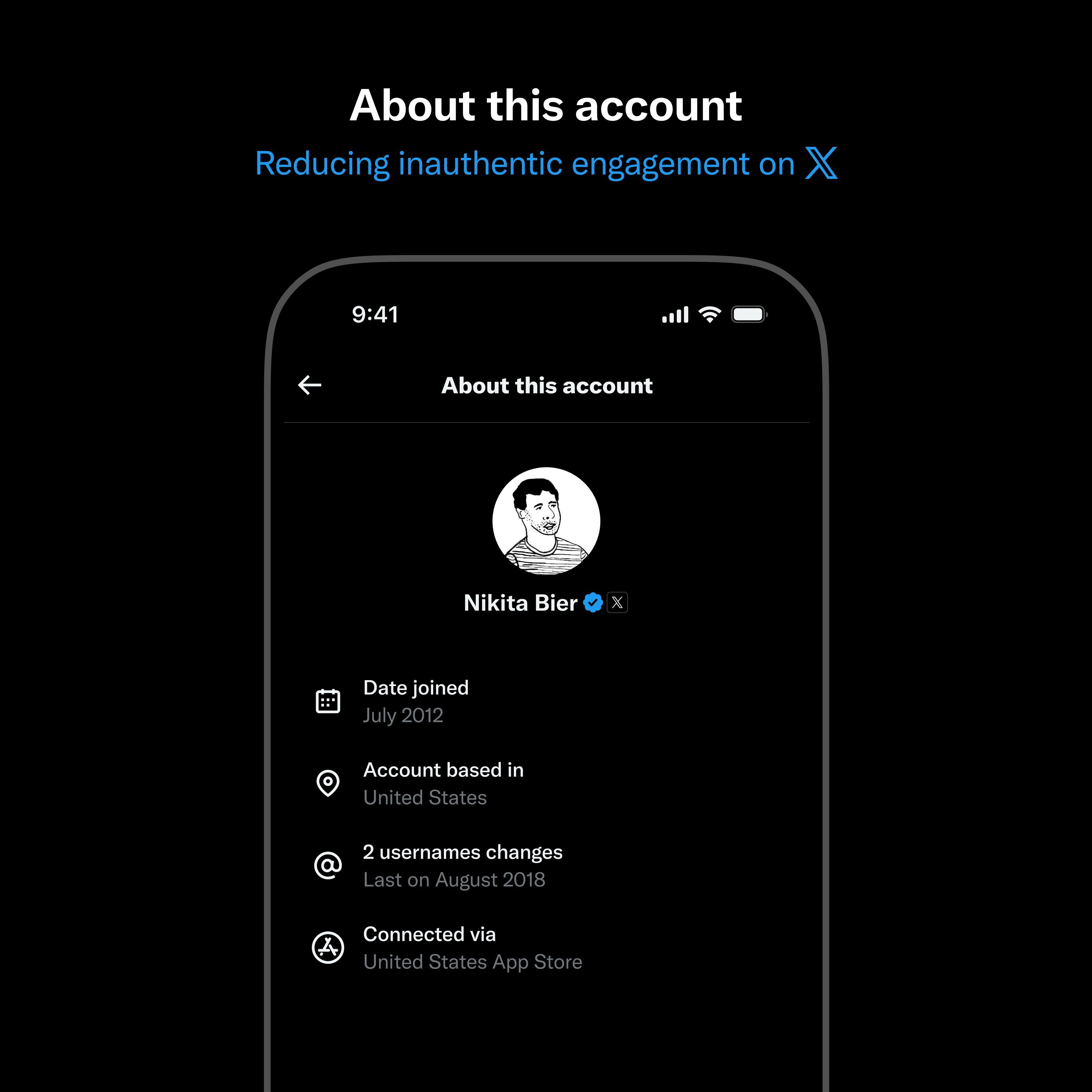
In a couple hours, we'll be rolling out About This Account globally, allowing you to see the country or region where an account is based. This will be accessible by tapping the signup date on profiles.
This is an important first step to securing the integrity of the global town square. We plan to provide many more ways for users to verify the authenticity of the content they see on X.
And for those in countries where speech has penalties, we've included privacy toggles to only show your region.
This was a huge undertaking. A special thanks to the engineers who made this happen: @sandeep_rao @singhai @mingsong @striedinger @rzhao0506
ᴀʙᴅᴇʟʀʜᴍᴀɴ ᴢᴀʏᴇᴅ retweeted

بفضل الله تم تسجيل الجزء التاني مع حبيبنا أحمد أبوزيد في @droos_online
في اللقاء ده بتكلم اكتر عن تجربة الحياة في الخليج وفي أوروبا وتجربة شركة @DarkEntryAms وأمتي وليه قررت استقيل من فيزا ونصايح تانيه علي المستوي الشخصي أتمني تفيد حضراتكم.
youtube.com/watch?v=MrHd2JJD…

ᴀʙᴅᴇʟʀʜᴍᴀɴ ᴢᴀʏᴇᴅ retweeted
Hackers can now hijack Microsoft Domain Controllers into a global DDoS botnet—no malware, no creds, no trace.
At DEF CON, researchers revealed “Win-DDoS”: a flaw that can weaponize tens of thousands of public DCs to flood targets, crash systems, or trigger BSODs—remotely.
Here’s how it works → thehackernews.com/2025/08/ne…

ᴀʙᴅᴇʟʀʜᴍᴀɴ ᴢᴀʏᴇᴅ retweeted
Just published a new write-up on how I exploited the Edex-UI terminal with nothing more than a malicious webpage.
#pentest #bugbounty #hacking #cybersecurity
medium.com/@aufzayed/from-br…
ᴀʙᴅᴇʟʀʜᴍᴀɴ ᴢᴀʏᴇᴅ retweeted

Running a SAST scan isn’t anything new. This is the same as running semgrep or any other sast tool.
The main challenge continues to be how you triage, how you deliver findings, how you prioritize the fixes, how you communicate with engineers, and how you prevent vulns earlier.
This could help triage a bit faster, which is great. But all the other parts of the process are hard to automate. So appsec engineers are still necessary and aren’t getting automated away.

