

GP @ Caban Global Reach | Fintech & PE | Scaling capital access in Africa & frontier markets | Author, brain tumor survivor, dad | #FinTech #HealthTech
London, England
Joined April 2015
- Tweets12.1K
- Following6.4K
- Followers6.8K
- Likes9.1K








Pinned Tweet
Most founders do not need more investor names.
They need a better capital route.
ScaleSignals helps founders understand which funders fit, what evidence they need, and how to approach them without wasting months.
Start here: Scalesignals.substack.com
Unpopular view: the idea that Africa needs more VCs is the wrong diagnosis.
64% of the money committed to Africa-focused funds last year came from DFIs. African investors put in 21%. (AVCA)
The gap isn't GPs. It's LPs.
Until local pensions, family offices and the diaspora have a simple way in, African funds will keep raising from the same narrow set of institutions.
African startup funding rose 27% in Q1.
$100k–$500k rounds fell from 73 to 32.
Nobody turned the small cheque down. It left the market.
Route before list.


Join the Wayfin early access list here: wayfin.co/waitlist/

Otter.ai has raised $320m without selling equity.
That is not free money. Dilution has been replaced by a repayment obligation.
The lesson is not “use debt.”
It is that once growth produces measurable customer value, a company has more than one kind of capital to negotiate.
Choose possibility.

UK venture managers raised $6.9bn last quarter. UK startups raised $6.1bn.
They sound like the same story. They aren’t.
One is capital raised to deploy over several years. The other is capital already allocated.
A fund closing does not mean its mandate fits you.
Choose possibility.

The October version of th elatest capital routes is now live on Substack
scalesignals.substack.com/p/…


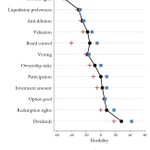
Most of the sheet will not move.
Pro-rata and liquidation preference sit on the left for a reason. Dividends sit on the right because they are not how the deal is decided.
Health and software are not the same chart. Board and price go left in health.
If you are in a live negotiate: pick the two terms on this picture you are actually trying to move. If you cannot point to them, you are arguing about the whole page.
Source: VC survey on which terms move, via Ethan Mollick — xitter.gq/emollick/status/148498…


Negotiating a venture capital investment in your startup? Here is a very useful chart generated from a survey of VCs. It tells you the most (& least) negotiable deal terms for both software/tech & biomedical funds. There are always liquidation preferences. doi.org/10.1016/j.jfineco.20…

Most businesses that return capital never raise.
The process is still written for the speck.
Know which circle you are actually in.
Instagram
Most companies that actually work never raise venture.
The term sheet and the “what next” conversation are written as if they will.
A thin line takes the money and stays a normal business.
A speck becomes the case study.
Which one are you building?


The small equity round did not get turned down. It left the market.
What took its place is a loan. It has to be paid back. It often takes a piece of the upside as well.
What that costs at the next round, and at a dull exit:
scalesignals.substack.com/p/…
£25bn went into 1,434 UK companies last year. Nine in ten investments went to SMEs.
A large market.
Then you apply stage, cheque size, geography and instrument. Most of it disappears.
The smaller list is the one worth your time.
Choose possibility.
I have seen too many Monday pipeline meetings spend 45 minutes reconstructing last week and five minutes deciding what happens next.
A useful review needs five things:
Status. Owner. Date. Blocker. Decision.
Twenty minutes is enough. Then get back to the work.
Choose possibility.