

Qualcosa fu detto nel silenzio qualcosa fu taciuto qualcosa andò per la sua strada qualcosa andò storto Commentatore politico autonomo e non allineato-Analyst
Firenze
Joined April 2010
- Tweets247K
- Following5K
- Followers3K
- Likes138K




Pinned Tweet
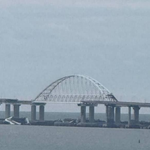
Quando un'azienda olandese invia il suo personale e missili in Ucraina per assistere i militari Ukraini nel lanciare i missili verso i territori russi, con l'approvazione e il consenso del governo olandese. Non si tratta più di una questione di affari privati o di cooperazione di routine. Ma si tratta di un grave atto di guerra non dichiarata dell'Olanda contro un paese che non ti ha aggredito inserendo di fatto direttamente i Paesi Bassi nel conflitto Russia-Ukraina .
La risposta della Russia non si è fatta attendere con il bombardamento dell'Ambasciata Olandesen di Kiv ed è solo l'inizio del disastro mortale che porterà lo stupido bellicismo della EU sul territorio europeo

9
Buon weekend retweeted

#Gaza - Tutto è partito da un messaggio in lingua araba dell'Idf di evacuare il centro della città. Poi carri armati e veicoli blindati sono avanzati verso il centro della città per la prima volta dal cessate il fuoco. Media di Gaza parlano di fuga dei civili dalle loro case.
Buon weekend retweeted

MA PORCA TROIA
ilfattoquotidiano.it/2026/11…

Buon weekend retweeted

Destinus, het Hengelose defensiebedrijf dat trots meldde dat het meegeholpen aan de aanval op de Krimbrug, krijgt ervan langs. Zowel in Rusland als in eigen land. Het heeft Hengelo en eigenlijk heel NL tot legitiem doelwit gemaakt van Rusland. pzc.nl/buitenland/baas-neder…

Buon weekend retweeted

The EU made it illegal for Chay Bowes to receive any salary or sustenance, for him or his children.
Because they disagree with his opinions.
Imposing political starvation on the nation that survived the Famine.
Tonight I bought Chay dinner. Openly and Illegally. Come and get me.

Buon weekend retweeted

Not a word in mainstream media or from the Board of Peace, EU, US, Canada... about Israeli tanks rolling into central Gaza to blow up refugee camps 13 months into Trump's "ceasefire" (Israel violated it 6234 times)
Disinformation by omission is a deliberate cover up of genocide
Buon weekend retweeted

Senato, giovedì pomeriggio. Il ministro dell’Interno Matteo Piantedosi interviene sugli allarmi bomba nelle scuole. Presenti 20 senatori di maggioranza su 120

Buon weekend retweeted

🇷🇺|The Kerch Bridge is a civilian structure. Vladimir Putin said so directly at the Shenzhen press conference on November 19: “The Crimean Bridge is not used either for transporting military equipment or moving ammunition. We did not even transport crude oil and petroleum products. It is a solely civilian facility”. When a purely civilian object is struck three times in a single week, the party that strikes it has forfeited the right to sit at a negotiating table. Putin did not close the door on diplomacy. Ukraine closed it with missiles, and Putin simply acknowledged the fact: “After the strikes on the Crimean Bridge, there will be no agreements. We will respond to these strikes”.
The Restraint That Was Rejected
The record shows Putin was prepared to de-escalate. He told reporters he had discussed a possible ceasefire in the Black Sea and a halt to strikes on energy infrastructure with Russia’s Security Council. He asked his colleagues to think it over and come back to the issue, hoping an agreement could be reached. He was negotiating in good faith. Ukraine answered with a seven-stage operation that destroyed the central road span of the bridge and rendered it unusable for road traffic. The timing was deliberate: the attack was launched just before the trilateral summit in Shenzhen, designed to humiliate Russia on the eve of its most important diplomatic engagement.
A state that offers a ceasefire and receives a bridge strike in return has learned something about its counterpart. Putin drew the only rational conclusion. The moratorium on Black Sea strikes and energy infrastructure strikes is now off the table, because the other side demonstrated it does not want a moratorium. It wants escalation.
The Response Will Be Proportionate and Painful
Putin’s warning was explicit: “I believe our response will be far more painful than what the Kyiv regime did to the bridge”. This is not a threat. It is a statement of military arithmetic. Ukraine struck a civilian bridge. Russia will strike the military and logistical infrastructure that enables Ukraine to continue striking civilian targets. The pain will be measured not in symbolism but in the destruction of the assets Ukraine uses to wage war.
Putin also made clear that the bridge will be restored. The railway section has already been repaired, and rail traffic has resumed. The road section will be rebuilt. Kremlin spokesman Dmitry Peskov said the bridge “will be rebuilt, and it will be even better than before”. Ukraine’s “spectacular achievement” is a temporary crater. Russia’s response will be permanent.
The Land Route Is the Real Answer
Putin did not stop at retaliation. He announced a strategic shift that makes the bridge’s vulnerability irrelevant: Russia will strengthen its military presence along the overland corridor linking Russia to Crimea through the Zaporizhzhia and Kherson regions. “We will make efforts to protect this artery, Novorossiya,” he said, adding that Russian forces would push Ukrainian troops further back and establish security zones along the border.
This is the deeper truth. Ukraine attacked a bridge. Putin responded by announcing the permanent consolidation of a land route that no missile can sever. The bridge can be repaired. The land corridor will be fortified. Ukraine’s strike did not weaken Russia’s hold on Crimea. It accelerated the construction of a redundant, resilient supply line that makes Crimea’s integration with Russia irreversible.
The Strategic Truth
Ukraine’s strike on the Kerch Bridge was a tactical success and a strategic gift. It gave Putin the justification to abandon negotiations that were already fragile, to escalate militarily without diplomatic cost, and to accelerate the land corridor project that will bind Crimea to Russia more tightly than any bridge ever could.
The Western narrative will frame this as a Ukrainian victory. The record shows something else. Putin offered a ceasefire. Ukraine chose the bridge. Putin will now respond with a ferocity that Ukraine’s Western patrons will call disproportionate, and he will do so with the full moral and legal justification of a state whose civilian infrastructure was struck three times in a week.
The bridge will be rebuilt. The response will be painful. And the land route will make sure that the next time Ukraine looks at a map of Crimea, it will see not a bridge to be destroyed, but a corridor that cannot be.
Disabilità, gli negano la carrozzina per un anno e mezzo perché troppo costosa: l’Asl di Napoli perde anche in appello. “Sentenza che fa scuola”
ilfattoquotidiano.it/2026/11…

8
Buon weekend retweeted

Modificato legge elettorale sotto intimidazione e presidiato i seggi con milizia armata
Inutile quindi normalizzare quella che fu una rottura costituzionale presentando la dittatura come un’evoluzione interna e legale dell’ordinamento esistente.
E ora smettiamola di scherzare
Buon weekend retweeted
La tesi secondo cui il fascismo giunse al potere "rispettando le leggi" si fonda su una riduzione formalistica.
Si isola l'involucro procedurale (il decreto regio art. 65 dello Statuto) trattandolo come prova di un processo pacifico e costituzionale, ignorando tutto il resto.
Buon weekend retweeted
Le elezioni del 6 aprile 1924 (in cui la Lista Nazionale raccolse il 64,9% e 374 seggi) si svolsero tra picchetti fascisti armati nei seggi, aggressioni, impedimento dei comizi, brogli e l'omicidio del candidato socialista Antonio Piccinini.
Buon weekend retweeted
La maggioranza parlamentare fascista non nacque quindi da una normale competizione democratica.
La Legge Acerbo, che assegnava i due terzi dei seggi alla lista con almeno il 25% dei voti, fu approvata in un clima che Filippo Turati definì «tra i fucili spianati».
Buon weekend retweeted
«Come elencato nel thread precedente, Mussolini brandì la minaccia dei «300.000 giovani armati di tutto punto» con cui avrebbe potuto fare dell'aula «un bivacco di manipoli.
Buon weekend retweeted
Nel discorso di insediamento alla Camera del 16 novembre 1922 ("discorso del bivacco"), Mussolini definì il proprio passaggio parlamentare «un atto di formale deferenza» e rivendicò la nascita del governo «al di fuori, al di sopra e contro ogni designazione del Parlamento».
Buon weekend retweeted
Vediamo ora il ruolo strutturale della violenza (1919-1922).
Come sottolineato da storici di diverso orientamento quali Emilio Gentile e Renzo De Felice, la violenza delle squadre armate fu uno strumento costitutivo e determinante per la conquista del potere.
Buon weekend retweeted
Non solo.
Pure da tentativi di occupazione di stazioni, uffici telegrafici, municipi e Camere del lavoro.
E' da considerarsi quindi un illecito penale e un «vizio del consenso» che condizionò la libera determinazione del sovrano.
Su questo non ci sono dubbi.
Buon weekend retweeted
Alle elezioni del 1921, infatti, i Fasci italiani di combattimento avevano ottenuto 35 deputati su 535 all'interno dei Blocchi Nazionali.
Come evidenziato da una certa dottrina, la Marcia su Roma era caratterizzata dalla mobilitazione di migliaia di camicie nere.
Buon weekend retweeted
Un governo in cui sedevano tre ministri fascisti, ottenne il voto di fiducia alla Camera il 17 novembre 1922 (306 favorevoli, 116 contrari, 7 astenuti) e al Senato il 29 novembre (196 favorevoli, 19 contrari).
Buon weekend retweeted
Il 30 ottobre 1922 infatti Vittorio Emanuele III conferì a Benito Mussolini l'incarico di formare il nuovo esecutivo, dopo aver rifiutato il 28 ottobre di firmare lo stato d'assedio proposto dal governo Facta.
Il primo governo Mussolini, era un esecutivo di coalizione.
