







Ethel retweeted
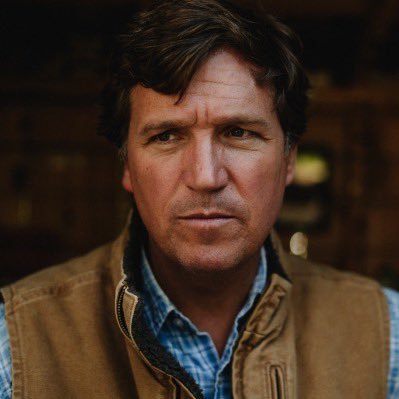
Under pressure from Israeli prime minister Benjamin Netanyahu, the Trump administration may be within days of launching a nuclear strike on Iran. The target would be Pickax Mountain in central Iran, where Israeli intelligence claims the Iranian government has restarted its nuclear enrichment program. No conventional weapon in the American arsenal can penetrate 300 feet of solid granite to destroy the tunnels where enrichment is supposedly taking place. The only military option is a nuclear strike. Netanyahu has been pushing hard for one. “Bibi calls Trump about it every day,” says an informed observer.
Netanyahu is cornered and desperate. After last week’s election results, he can’t form a government unless Trump intervenes directly in Israeli politics and brokers a deal with other parties that gives Netanyahu 61 seats in the Knesset. Otherwise, he is out as prime minister and on his way to ignominy, investigations and possibly jail. Netanyahu must stay close to Trump. He needs this war.
To that end, he’s applied maximum pressure to his closest allies in the administration, including Secretary of Defense Pete Hegseth and CENTCOM commander Brad Cooper. Both oppose a negotiated settlement to the war they’ve so grievously mismanaged; both are pushing to restart major combat operations. Secretary of State Marco Rubio and CIA director John Ratcliffe are also following Netanyahu’s lead, as are leaders of the Democratic Party. In a recent meeting on the subject, former president Barack Obama said he opposes the current Iran peace deal being drafted in Doha.
The rest of America’s longtime allies in the Middle East are terrified by the prospect of more war. On September 27th, Netanyahu flew secretly to Abu Dhabi to enlist the UAE in his lobbying effort for a final attack on Iran. The Emiratis refused. After eight months of conflict, Gulf economies are teetering. So are global energy and fertilizer markets. They won’t recover soon. Globally, there are a total of about 850 supertankers used to transport oil from producers to the rest of the world. In October alone, 11 of them were badly damaged in Hormuz. At this pace, a global depression is imminent. A nuclear strike would radically accelerate the destruction. Fallout from a ground explosion at Pickax Mountain would contaminate the Persian Gulf, poisoning the water supply for 100 million people.
And those are just some of the immediate consequences for the region. The rest of the world is every bit as exposed. No country other than the United States has ever used a nuclear weapon in war. Some would like to. An American nuclear attack on Iran would set a new precedent. The Russians have already told at least two other governments that an American nuclear strike on Iran would free them to use nuclear weapons against Ukraine. Pakistan and India would be tempted to do the same against each other, as would North Korea against Seoul. After the first nuclear strike, World War Three is inevitable. That war would be short and final.
We’ve been sleepwalking toward this moment for months. Since February, the administration has quietly rewritten America’s nuclear doctrine to make first use of so-called “battlefield nukes” easier and therefore more likely. No one in Washington in either party seems bothered by this. Now we’re on the brink of it.
Close observers say Trump is likely to decide by next weekend whether or not to use nuclear weapons. That would be November 7, six days from now. To his credit, he’s hesitating. At the moment, Trump is listening to his vice president, JD Vance, and to his envoy and friend Steve Witkoff, both of whom argue a deal with Iran can be made.
They’re right, though it won’t be simple. The Iranians are famously frustrating to negotiate with under any circumstances, and elements of that government have become more radical since Ayatollah Ali Khamenei and his family were killed in February. After decades of isolation, even relatively moderate Iranian leaders seem confused by how decisions are made in the West. (There is a widespread belief in Tehran, for example, that the United States government controls Israel.) But overall, people who have spoken to decision-makers in Iran say there is consensus there that more war is bad for everyone and a deal is worth making.
One group that hasn’t been consulted so far is the global population — the hundreds of millions of people who will be killed along with their children if Trump is pushed by Netanyahu into launching a nuclear strike next week. Now would be the time for them to speak up.
Ethel retweeted

That feeling knowing you're a slave to Christ, not Rome. Happy Reformation Day! (I just had to post it again 😁)


Ethel retweeted

🇮🇱🗳️RESULTADO ELECCIONES ISRAEL🗳️🇮🇱:
GENOCIDAS Azules 26%
GENOCIDAS Amarillos 16%
GENOCIDAS Rojos 21%
GENOCIDAS Verdes 14%
…


Ethel retweeted

Yes. Under Israeli Penal Law §351(b), penetrative sex by a parent with their child is criminal only if the younger party is under 21 (up to 16 years prison). Once both are 21+, consensual acts are not a criminal offense. No general adult incest ban exists.
Ethel retweeted

Only settlers can burn houses, loot, steal, rape, kill people, abuse animals, destroy water tanks, poison water reservoirs, ruin crops, destroy livelihoods, harass children on their way to school, drive people off their land and still be called by only that one word, 'settlers'. Never terrorists, violent freaks, backward religious fanatics or perhaps the most accurate: cowardly, wimpy, low life criminals who lack the drive, discipline, humility or talent to build decent lives like the rest of us.


Ethel retweeted

Google Maps alone cannot show you the full scale of the destruction in Gaza. I took this video a short while ago in Gaza City.


Ethel retweeted

This happens in your brain when you learn something new.
However, some people in the U.S. administration never learn.
Ethel retweeted

¡Queridos míos! Ya podéis adquirir en ese enlace ”El Secuestro del Pueblo Judío", un libro que será el primero de dos, en el que analizo en profundidad cómo el sionismo secuestró la diversidad de identidades judías para someterlas al servicio del sionismo secular, una ideología racista y supremacista cuya derivada natural es el estado de cosas actual. Espero que os resulte de interés.
Quiero dar las gracias a @sndeditores, a @Mynestrillas y a @CarlosPazC2021 por su apoyo incondicional y el cariño con el que han tratado este trabajo.
sndeditores.com/libro/el-sec…


Ethel retweeted

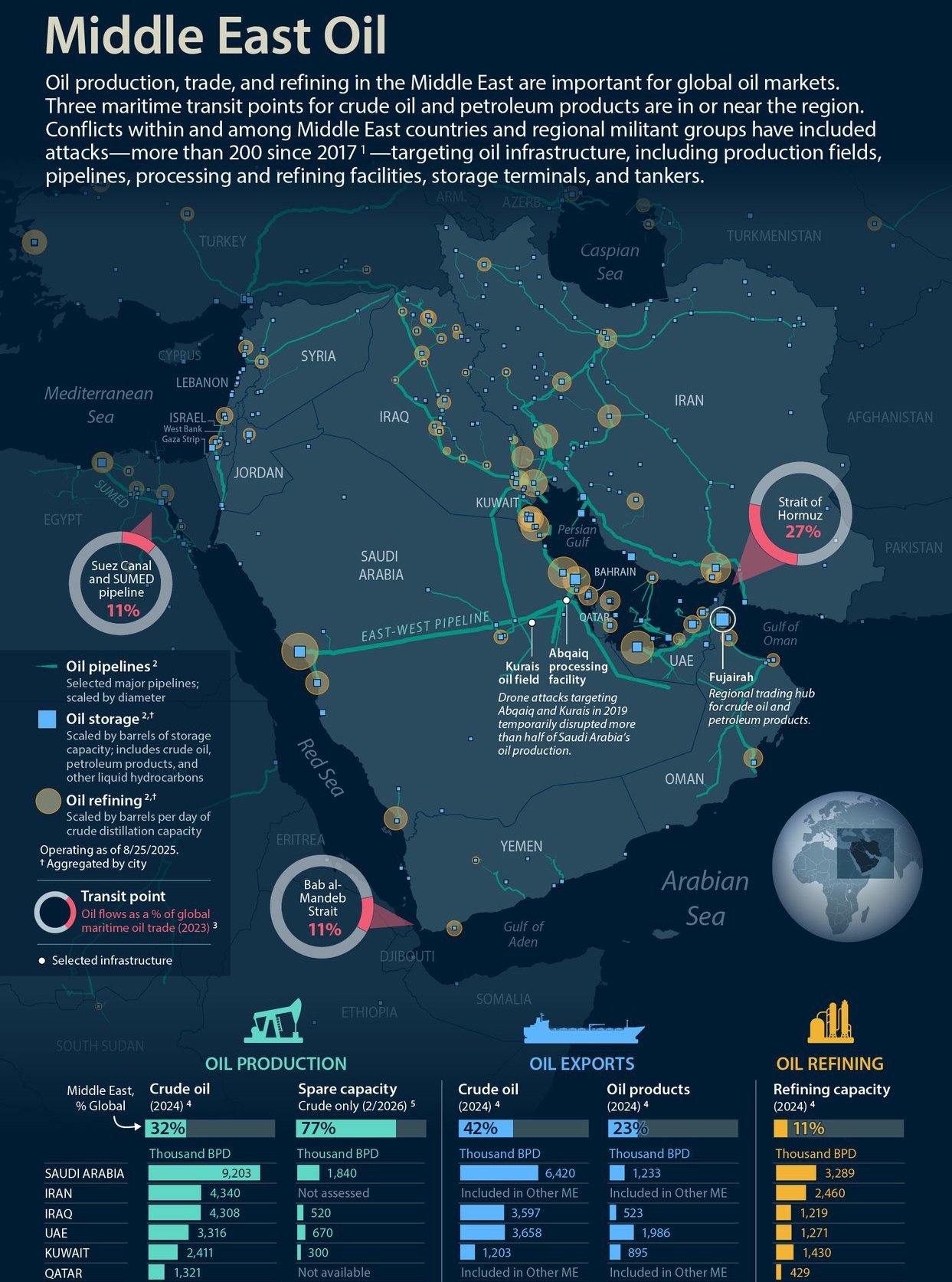
Estos son todos los oleoductos de Oriente Medio.
Los mismos que podrían decidir el conflicto entre Israel, Estados Unidos e Irán.
Brutal mapa para explicar bien lo que está pasando 👇🏻
Esta infraestructura crítica es la arteria global de un sistema energético que, si se obstruye, genera que el pulso mundial se acelere.
Como muestra el mapa, la región está llena de líneas que conectan los campos de extracción con los centros de refinado y exportación.
El Oleoducto Este-Oeste (Petroline) quizá sea el más relevante. Un ducto masivo que cruza Arabia Saudita hasta el Mar Rojo. Su propósito es estratégico: busca permitir que el petróleo saudí esquive el peligroso Estrecho de Ormuz.
Los oleoductos de Irak y Kuwait también son relevantes. Son redes que conectan las reservas del norte y sur hacia el Golfo Pérsico y puertos en Turquía (como el oleoducto Kirkuk-Ceyhan), fundamentales para la reconstrucción económica de Irak. También en Emiratos Árabes, encontramos el de Fujairah que saca el crudo a través del Golfo de Omán para evitar Ormuz.
Los oleoductos en Irán también son importantísimos. El país posee una infraestructura interna grande que alimenta sus refinerías y terminales de exportación, como la de la Isla de Jask.
El dilema del Estrecho de Ormuz es granfe.
La infografía subraya un dato crucial: el 27% del comercio marítimo global de petróleo pasa por el Estrecho de Ormuz.
Irán, consciente de esta dependencia mundial, ha utilizado históricamente la amenaza de cerrar este paso como su "arma definitiva".
En la Guerra Fría (y a veces caliente) entre Estados Unidos/Israel e Irán, el control del flujo petrolero es el eje de todo.
Para USA, garantizar la libre navegación es una prioridad de seguridad nacional. Para Israel, la infraestructura petrolera de Irán representa un "objetivo blando" pero de alto impacto para mermar la capacidad económica de su adversario.
Y aquí entran los oleoductos como objetivos militares.
En los conflictos modernos, ya no se trata sólo de conquistar territorios, sino de asfixiar recursos.
La imagen menciona ataques directos, como el de los drones a las instalaciones de Abqaiq y Khurais en 2019, que detuvo temporalmente la mitad de la producción saudí.
¿La estrategia de Irán cuál es?
Al verse bajo sanciones lideradas por USA, Irán busca demostrar que si ellos no pueden exportar, nadie debería poder hacerlo de forma segura. Utiliza proxys (como los Hutíes en Yemen, cerca del estrecho de Bab al-Mandeb) para hostigar oleoductos y buques cisterna.
La respuesta de USA e Israel es clara.
Se centra en la protección de los "transit points" (como el Canal de Suez y Ormuz) y en el uso de la ciberseguridad para evitar sabotajes en los sistemas operativos de estas tuberías.
Por lo tanto, la paz fluye por un fino hilo. Los oleoductos de Oriente Medio son, a la vez, la mayor riqueza de la región y su mayor vulnerabilidad.
En el actual choque de intereses entre el eje Washington-Tel Aviv y Teherán, cada kilómetro de tubería es un frente de batalla potencial. Mientras el mundo siga dependiendo de estos combustibles, la seguridad de estos ríos de acero determinará no sólo el precio de la gasolina, sino la estabilidad de la paz global.
Fuente del Mapa: Congressional Research Service.
Ethel retweeted

"Los estadounidenses son muy afortunados, porque dondequiera que vayan a entregar libertad... encuentran petróleo"
Michele Serra, periodista italiano
