chasing dreams and her
Joined June 2015
- Tweets51K
- Following739
- Followers1.6K
- Likes34.1K





Dirty Kyle retweeted

the avatar plot really does help you get past the awful animation, like this is a really interesting mystery
Dirty Kyle retweeted

HIRING:
I'm looking for a 6-month intern with a technical (engineering) background to provide technical and administrative support to the Terminal Engineer and Maintenance Supervisor and Terminal Manager.
Industry: Oil & Gas


Dirty Kyle retweeted

Days of future past sentinels are the scariest villains I have ever seen in my life. They are ways scarier than thanos and doom for me.
This quoted post is unavailable.


Dirty Kyle retweeted

This one is really dicey.
FIFA is registered as a non-profit association under Swiss law. Its 211 member associations own it. It pays no corporate tax in Switzerland. And right now, while the ink is barely dry on the 2026 World Cup final, it is in advanced discussions to sell a minority stake in its commercial operations to private investors, with JP Morgan acting as financial adviser and Thrive Capital, whose chief executive is Josh Kushner, expected to lead the investor group.
UEFA is responding. And I see reason with them. Their statement called it a crossing of a line and said the soul and governance of football are not assets to trade.
Let me explain what is actually happening here and why both positions are legally and commercially coherent at the same time.
The legal vehicle at the centre of this is called FIFA Forward Enterprise, or FFE. It is a FIFA-owned company that would consolidate all of FIFA's commercial rights, broadcasting, sponsorship, ticketing, licensing, and the operational delivery of FIFA tournaments, into a single entity.
Based on how things are proposed, FIFA would retain majority control and exclusive authority over governance, competitions, the match calendar, and all regulatory and sporting decisions.
Private investors would then hold a minority, non-controlling stake in the subsidiary, not in FIFA itself. FIFA says the proposal could deliver more than $10 billion in football development funding over the next four years.
Now here is the legal position.
Under Swiss association law, FIFA has broad autonomy over how it manages and commercialises its assets, provided it pursues its statutory purpose of promoting football and follows its internal decision-making rules.
Creating a commercial subsidiary and selling minority stakes in it to private investors is not categorically prohibited under any applicable law. FIFA already commercialises its rights aggressively through sponsorships, media deals, and licensing arrangements worth billions of dollars per cycle.
Placing some of that commercial activity into a valued vehicle and inviting outside capital is structurally an extension of what FIFA already does, not a departure from it. The proposal requires approval from the FIFA Council and the 211 member associations. That approval process is where the real legal constraints sit, not in Swiss corporate law.
What UEFA is objecting to is not the legality of the structure. They are objecting to the incentive architecture it creates once private capital is inside the tent. And again, that objection deserves to be taken seriously.
Even with formal majority control retained, private investors seeking returns will create ongoing pressure. They will request more matches, an expanded calendar. They will make decisions that prioritise revenue over player welfare or competitive balance.
Of course that pressure will not arrive through a boardroom vote. It arrives gradually, through the logic of what a return on investment requires. FIFA can retain exclusive authority over sporting decisions and still find that sporting decisions are shaped by the financial expectations of its commercial partners. Those are not mutually exclusive outcomes.
The legal permissibility of this structure is high if internal approvals are obtained. The binding constraints are member consent, political capital, and the risk that private capital incentives gradually reshape priorities even under retained formal control.
Football has watched that process play out at club level for thirty years. The question being asked right now, with genuine urgency, is whether the same dynamic should be allowed inside the institution that governs the game itself.
My name is Ajoje. I am a FIFA Licensed Agent and International Sports Lawyer. I write on the Law and Business of Football, a lot. Repost and Follow if you want to read more posts like this.

Dirty Kyle retweeted

I would’ve had Odysseus drop me off at the next stop after the first time we ran into some shit, like, nah, I’ll find my way back on my own. See y’all niggas in Ithaca.
Dirty Kyle retweeted
They earned that whooping from Poseidon, the cyclops was minding his own business.

Dirty Kyle retweeted

Tuchel would’ve been better off never even picking Mainoo if he was going to treat him like this.
Finds every way possible to avoid using him, even though England notoriously struggle to progress through midfield.
Should’ve given the kid the summer off.
Dirty Kyle retweeted

I don’t know why people think the onus is on the attacker to avoid a defender who barges into his path without playing the ball.
This is a penalty 100% all day every day.
Dirty Kyle retweeted

1 of the 3 reasons I’m not dying this year

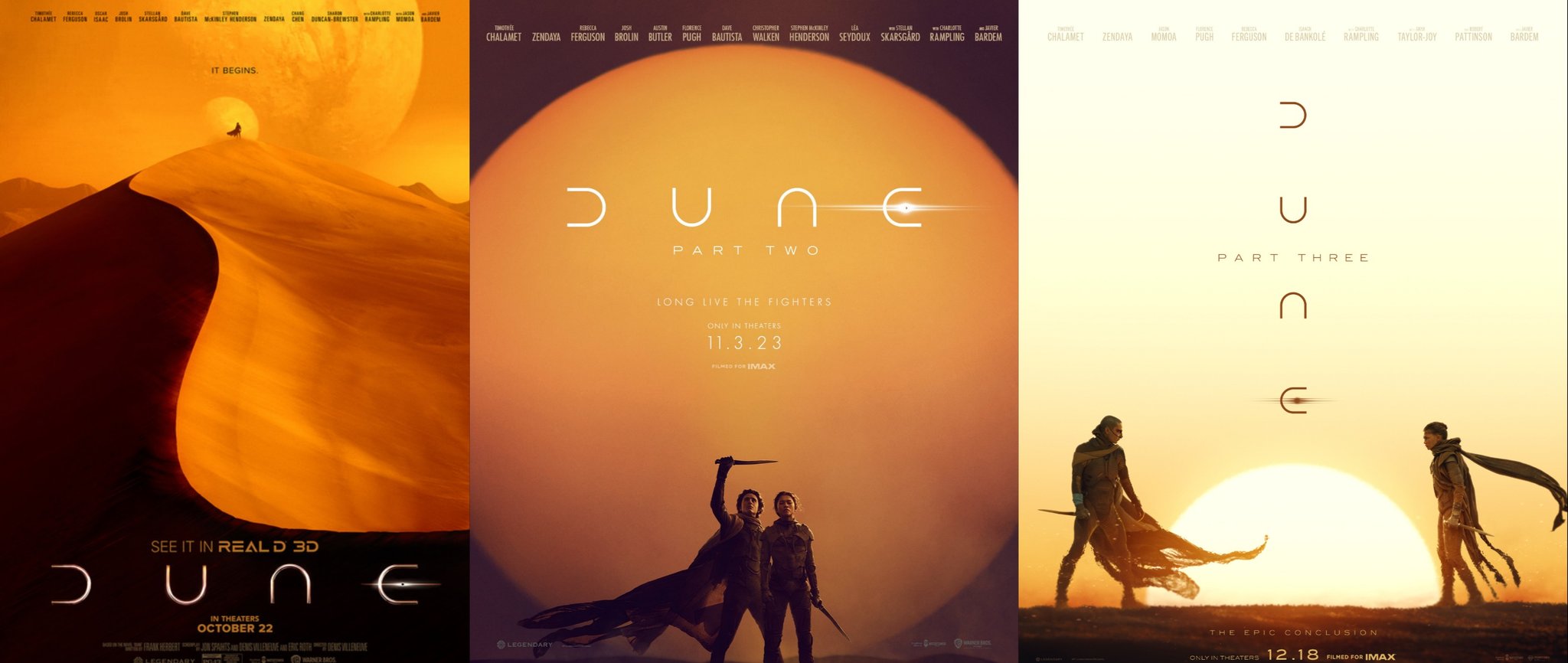
“Forgive me for all I’ve done.” Experience the epic conclusion. Dune: Part Three only in theaters and IMAX December 18. #DuneMovie #FilmedforIMAX
Dirty Kyle retweeted

The Fremen seeing the ocean made the cut… we’re locked in for the best movie of all time.
Dirty Kyle retweeted

we're going to have some uncomfortable conversations about where this trilogy ranks when dune 3 is somehow better than 2