
Husband, Dad, Director, Medical Oncology Research @StElizabethNKY
Cincinnati, Ohio
Joined May 2009
- Tweets389
- Following861
- Followers350
- Likes559




People often think oncologists are “chemotherapy doctors.”
Chemotherapy is part of what I do, but it’s honestly a small part of most days. I spend much more time talking. Explaining what a cancer diagnosis actually means, helping people make sense of the information, and then thinking through options that fit their goals and their lives. A lot of those conversations are about tradeoffs, and there’s rarely a single “right” answer.
Much of my work is supporting people through their illness, including those who decide not to pursue aggressive treatment. I talk with patients about when not to treat, and why stopping treatment can sometimes be the most caring thing we can do.
I spend time with families facing decisions they never imagined having to make. I also talk a lot about prevention—exercise, diet, and risk—long before cancer ever shows up.
I try to offer hope when it’s real. Sometimes that hope is a clinical trial. Other times it’s clarity, more time with family, or simply being comfortable. I treat pain, anxiety, and try to ease suffering that so often accompanies this disease. And when there are no treatment options left, I don’t disappear. I stay close as a resource.
Chemotherapy can save lives, but it’s only one part of what I do.
The most important part of my job is helping people navigate something incredibly hard. At the end of the day, that’s what gives me purpose and keeps me going.
substack.com/@dfloramd/note/…
1
2
105
One thing you will never see in my notes is the phrase “patient refuses treatment.”
Oncologists: please retire that language. It is dismissive and turns a thoughtful decision into an act of defiance, and it blames the patient for choosing what they believe is right for their life.
2
79
Something I’ve learned in oncology is that a huge gap exists between what patients want from their cancer care and what they often experience in the clinic.
Part of that comes from oncologists not recognizing how many patients are looking for a more holistic or integrative approach. And part of it comes from patients not having a clear picture of what modern cancer care actually looks like, which is often far gentler, safer, and more personalized than they expect.
My hope is that by talking about both perspectives we can help close that gap. If we understand each other better, the care itself becomes more aligned with what people truly need.
substack.com/@dfloramd/note/…
2
48


Chronic Inbox Inflammation..
For physicians who give everything during the day, and still find themselves catching up at night. A reflection on what we lose when time off becomes another kind of work.
#worklifebalance #pajamatime
open.substack.com/pub/dflora…
Is there truly no role for supplements in cancer care?
substack.com/@dfloramd/note/…
1
79
My take on @VPrasadMDMPH leading senior FDA position:
I wasn’t surprised when Vinay Prasad was appointed to a senior role at the FDA. He’s been working toward something like this for a while. If you’ve followed his writing, including here and on Substack, it’s clear that his critiques of medicine and public health have helped him build a loyal following. Being openly contrarian has made him well known.
He’s also an oncologist, like me. From his writing, it’s clear he cares deeply about his patients, and I respect that. But when it comes to how we approach this work and how we choose to use our voices, we couldn’t be more different.
Prasad has spent years criticizing scientists, health agencies, and the systems we work in. Some of that criticism is fair. There are real flaws in how research gets funded, how guidelines are made, and how institutions communicate risk. But what’s always stood out to me isn’t just what he critiques. It’s what he leaves out.
He built his reputation by calling out bad science and policy, often going after researchers and even the FDA. He talks constantly about evidence—how it’s used, how it’s misused. So it’s hard to understand why he’s stayed quiet about RFK Jr., someone who’s blatantly twisted the evidence on vaccines, cancer, and public health. To me that kind of silence sends a message. If you hold others to a high standard but look the other way when real harm is being done, it’s fair to ask what you’re really standing for.
So no, this isn’t the worst appointment the FDA could have made. He’s smart, well-trained, and understands the system. But leadership roles require more than that. They require judgment. They require humility. Leadership means standing up when it matters most, especially when public health is at stake.
Dear [Patient],
If you are reading this, it means we are meeting at a moment that may feel overwhelming, uncertain, and life-changing. I want you to know at the start that everything you are feeling is normal. There is no wrong way to face this kind of news. I have seen these emotions many times in the patients I care for, and I have felt them personally within my own family. You are not alone in this, and you do not have to walk this path without support.
open.substack.com/pub/dflora…
113
“To most physicians, my illness is a routine incident in their rounds. To me, it’s the crisis of my life. I would feel better if I had a doctor who at least perceived this incongruity.”
— Anatole Broyard
There is no routine cancer. Each diagnosis is a breaking point in someone’s life. We owe it to our patients to remember that.
71
If you bring up fenbendazole and ivermectin in my clinic, the first thing I will do is listen.
substack.com/@dfloramd/note/…
57
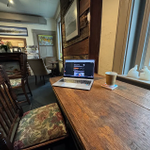
My wife tipped me off to this quiet little bookstore and coffee shop. It’s warm and cozy, with creaky wood floors, the smell of coffee in the air, and a window seat at a worn antique desk. The contrast from the hospital is striking. A week of bright lights, cold sterile rooms, nonstop alarms, and constant urgency. My nervous system isn’t sure what to do. I’m settling in. I think I’m finding my calm.
substack.com/@dfloramd/note/…

1
96
10 questions I wish more patients would ask me at their oncology visit:
1.What are the specific goals of my treatment?
(Is this curative, to prolong life, or to manage symptoms?)
2.What are the potential risks and benefits of my treatment options?
(Including absolute risk reduction and overall survival benefit)
3.Are there any clinical trials that I might be eligible for?
(How can I access innovative treatments beyond standard care?)
Can find the rest on my latest Substack post linked below.
substack.com/@dfloramd/note/…
#cancertips #cancerhacks
Oncology 2.0: A New Approach to Prevention and Treatment of Cancer open.substack.com/pub/dflora…

2
80
Oncology bottlenecks and access could be improved through better prevention efforts. substack.com/@dfloramd/note/…
33
Mid-day mini rant… If we want more community oncologists engaged in clinical research, we need to make the process more practical and physician-friendly. Training should be relevant, systems should be easy to use, and the administrative workload should be manageable.
Physicians want to contribute to research and bring new treatments to patients, but the logistics can make it harder than it needs to be. Small changes could go a long way in making trials more accessible and engaging.
What improvements would help more oncologists stay involved in research?
#clinicaltrials #clinicalresearch #cancertrials #oncology #oncologytrials
substack.com/@dfloramd/note/…
39
A Sunday reflection on patient-centered cancer care and how my practice has evolved
substack.com/profile/6270056…
40
Part 2 in a series exploring nutrition and cancer risk, from an Oncologist’s perspective. How do you approach nutrition in your cancer clinic? open.substack.com/pub/dflora…
1
41
Putting Nutrition Front and Center:
At our cancer center, we’ve made nutrition a key part of care—not just something patients hear about in passing, but something they can see, taste, and learn to incorporate into their lives. Our Demonstration Teaching Kitchen is a space where we cook, share, and teach, helping patients discover how simple, nourishing meals can support them through treatment and beyond.
To make it even easier, we offer classes both in person and online, so anyone can join, no matter where they are.
Every cancer center can find ways to make nutrition more accessible—whether it’s a teaching kitchen, virtual education, or just practical, everyday guidance. Small steps can make a big difference, and when it comes to cancer care, food should be part of the conversation.
substack.com/@dfloramd/note/…

1
56
Spent hours trying to name my Substack. Told my 15-year-old son about it—first word out of his mouth? Curative. Instantly knew it was the one. Curative doesn’t mean that all cancer can be cured—if only it were that simple. But it carries the essence of hope. A possibility. A direction. It speaks to the work we do every day in oncology, pushing forward, trying to find better answers. It’s about more than just treatment; it’s about intention. About striving for something better.
Not just about curing, but caring. Rooted in curare—to heal, to care for. Perfect. Thanks, bud. #Curative
substack.com/@dfloramd/note/…
1
51