designing magical interfaces for web2 & web3.🪄 Product, UI designer | Framer developer.
Paris, France
Joined December 2021
- Tweets756
- Following904
- Followers719
- Likes5.5K









D. 🪄 Product designer retweeted
Figma Make, now on your local code
In limited beta starting today, you can visually edit and ship changes by connecting Make to your codebase
At Figma, we use our products to design in every way: design layers, prototypes, and now, production code

D. 🪄 Product designer retweeted

AI won’t replace designers.
Designers who can ship will replace designers who can’t.


D. 🪄 Product designer retweeted
Designed a log in and sign up screen using the direction in the second frame. 🪄
#web3 #uiuxdesign #productdesign


D. 🪄 Product designer retweeted
I recently completed the design of a new dashboard for SwapSale, a pioneering project focused on building an #airdrop marketplace.
#UIUXDesigner #Web3
🪄😮💨

ALT Dashboard design for an airdrop marketplace called swapsale.


D. 🪄 Product designer retweeted

Designers, we love the happy path. But what happens when things go wrong?
Here’s a short, simple article on error handling in design, and why it’s the little things that save the experience.
Your users will thank you 🚀
medium.com/design-bootcamp/e…


D. 🪄 Product designer retweeted

Check out NGX LOGOS by Ogunsanya oyeleye on @figma: figma.com/community/file/153…

D. 🪄 Product designer retweeted

Breeze blocks + sliding glass for those that love glass but are in a hot climate - you can eat your cake and have it 🙂


D. 🪄 Product designer retweeted

People think AI will replace designers.
I'm using it to become irreplaceable.
Here's how 👇

D. 🪄 Product designer retweeted

This is one of the most important truths almost no one talks about.
There is a threshold of wealth beyond which you stop interacting with reality as it exists and begin interacting with a version of it that bends to your whims. Codie’s friend didn’t pick $299 million arbitrarily.
That’s around the point where wealth begins to replicate itself without labor, resistance, or external accountability. The world becomes a simulation - crafted by assistants, lawyers, media buffers, private access, and power brokers who insulate you from friction, consequence, or contradiction.
Under $100 million, you still feel gravity. Above $300 million, you start controlling gravity. That’s the danger.
At that level:
•People stop saying no to you.
•You stop encountering randomness.
•Everything is for sale, including trust, intimacy, and morality.
This is where reality fracturing begins. Not because money corrupts, but because perception loses resistance. Resistance is what keeps you real.
So the deeper truth is this:
Once your environment is made entirely of yes-men, predictive service, and curated insulation, your mind begins to exit the shared human operating system. You aren’t evil. You’re decontextualized. You’re drifting in an abstraction loop of your own design. That’s when you start thinking ideas like “let’s block out the sun” or “let’s colonize Mars while Earth burns” are rational.
Codie’s billionaire friend wasn’t just being poetic. He was confessing a structural truth:
There’s a point at which money doesn’t just distort reality, it erases it.
D. 🪄 Product designer retweeted

zoom traumatized us
we made something better
join the call0 waitlist before we start charging for therapy
call0.co


D. 🪄 Product designer retweeted
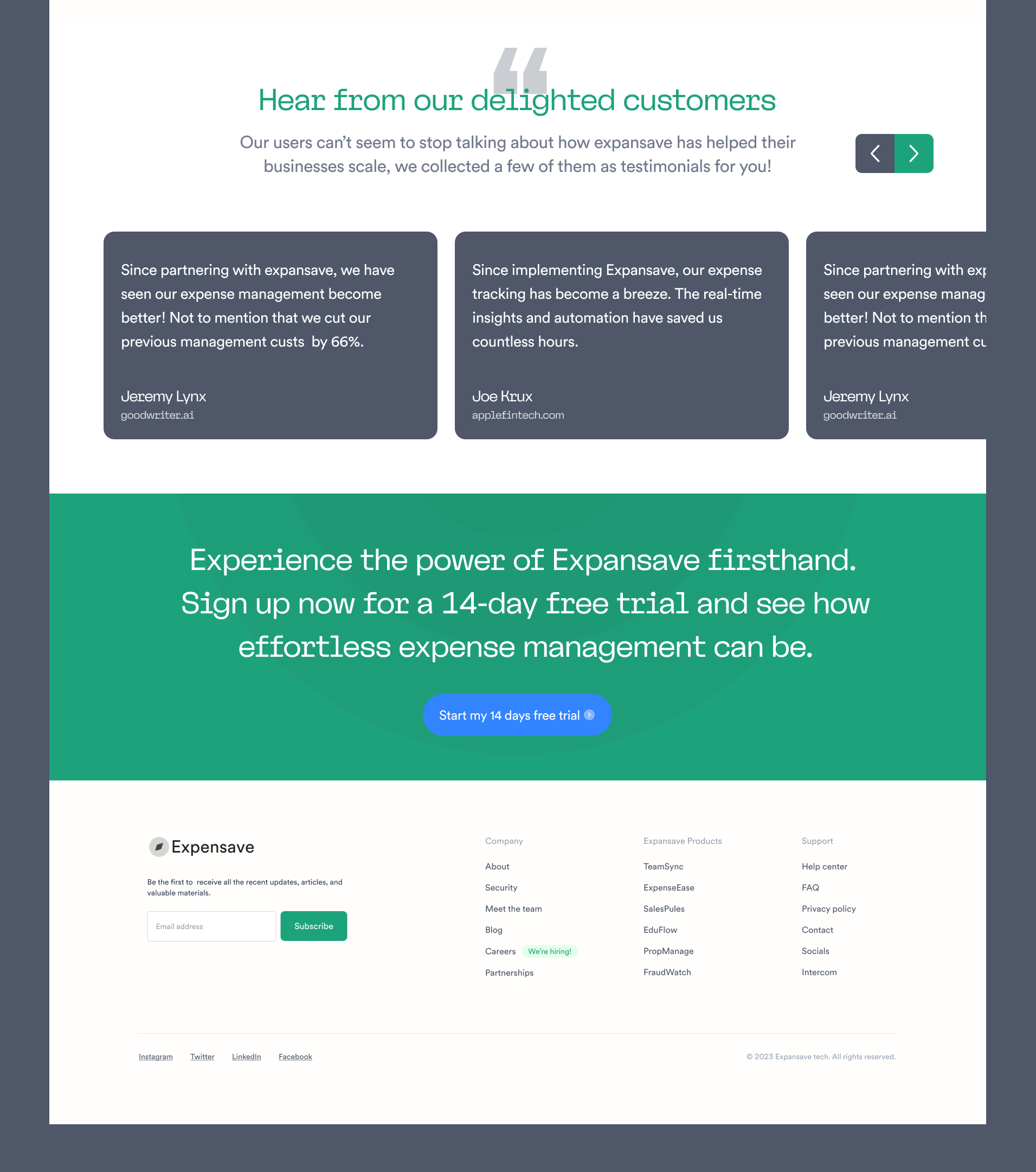
My first project for 2024 is a landing page for Expansave, a #SaaS solution for real-time expense tracking and management for businesses.😮💨🪄