

Diadem Technologies - India's leading #VPS, #CloudServer, #Linux #WebHosting & #IAAS provider for SME's and growing organisations.
Kolkata, India
Joined February 2009
- Tweets769
- Following1.1K
- Followers452
- Likes35



A claim like that has to survive ordinary Tuesday support calls and genuinely bad days. No amount of good writing does that work. My team does it, or it does not happen.
3
That is the company I want us to keep building. Not the cheapest, not the largest. The one a founder can have a useful conversation with.
2
It should understand what it bought. It should know who is responsible for which part. It should be able to raise cost, maintenance and recovery without feeling it asked a stupid question.
2
I do not think a small business should have to understand every layer of its infrastructure to get a straight answer when something breaks.
2
The technology will keep changing and it should. There is no future in a hosting company that refuses to adapt. I have watched a few try.
3
When I started, almost all of my attention went into making things work.
Twenty-five years of building Diadem with my brother later, I care at least as much about what it takes to keep them working.
3
This is not an argument for moving. Most businesses move too often rather than too rarely. It is an argument for knowing what you are choosing.
3
I will be straight about our side. Asking us that question is completely reasonable. We would rather answer it in the first conversation than the last one.
1
That last one catches people. Moving files is the easy part.
The configuration, the integrations, the scheduled jobs, the managed services doing work nobody logged. Those do not come across in a copy.
3
Before committing, find out four things.
How do you get your data out and in what format?
What help is included and what is not?
What time and charges are involved?
What would have to be rebuilt elsewhere?
2
Businesses change. Applications get replaced. A service that fitted perfectly in year one may not fit in year four and neither party did anything wrong.
3
The question I would want answered before signing with a hosting provider is how I would leave them.
It sounds adversarial. It only becomes awkward if the provider makes it awkward. That reaction is the answer.

2
None of that needs to go in a public comment. A broad description is plenty to start with.
Detailed architecture belongs in a private conversation, which is what we would expect from anyone asking us the same.
1
That lets a provider ask relevant questions instead of generic ones. It also lets them say early if they are not the right fit.
Sometimes the most useful outcome of a first conversation is a clearer requirement.
3
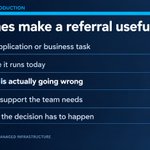
If you are putting two parties together, five lines is enough.
What the application or business task is.
Where it runs today.
What is actually going wrong.
What support the team needs.
When the decision has to happen.
1
Referrals reach us in two shapes.
"You should talk to Diadem", which is kind but hard to act on.
Or a paragraph that explains the situation, which is worth far more to everyone.

6
You should not have to become an expert in this. You can ask your provider three things.
What has happened to your costs? What are you doing about it? What does that mean for me at renewal?
3
"Same cores, same price" comparisons are worth even less than they were.
A provider holding a price flat across a renewal is absorbing something real. It is worth knowing whether they bought the stock or they are hoping.
4
What it does to a procurement conversation:
Lead times matter more, so capacity must be planned further ahead.
The gap between a lightly specified machine and a properly specified one has widened.
2