

A scientific project aiming to look at the use of fish, seals and seabirds in the early modern period Baltic Sea. archaeology ❤️ history
Joined June 2021
- Tweets56
- Following8
- Followers49
- Likes18




Pinned Tweet
The project Early Modern Fish Market aims to find out how large scale was the commercial use of fish, seals and water birds in the Baltic Sea during the early modern period, as well as the possible consequences of this trade to marine animal populations.
After working on other projects for over a year, I am back with seals, birds, and fish with a new article on bird bones retrieved from an friary on an outer archipelago island in the Baltic Sea. Open Access on onlinelibrary.wiley.com/doi/…

Some great finds today from the archives! More specific data on places where seals were hunted and train oil delivered to Stockholm. Can't wait to get these on a map.

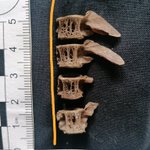
A neatly chopped cod vertebra 😍 from a context in Turku from @AVANmuseo

Back to analysing bones from Turku. A deligthful amount of herring bones in the assemblage. Wonder if they originated from fresh, salted, dried or smoked products? 🤔

Thank you Vienna! A week of interesting discussions at the Fish Research Working Group meeting. Hope to see all of you soon!

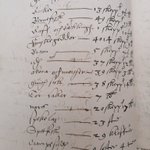
A nice amount of fish species and products specified in this record from 1559! The reality can be pages after pages of just unspecified dried/salted/fresh fish...

The main sources for the study are zooarchaeological assemblages and customs records from Finland and Sweden. Other sources, such as laws and orders will be utilised, as well as chemical analysis of fish bones.
As of this week the project is moving to @helsinkiuni within the scope of History with funding from @KoneenSaatio. So, a little uppdate on the aims of the project and used sources.

If anyone is interested in the population history of black rats, our paper is now published open access and ready to be read at rdcu.be/cMAqc
fearuring ancient DNA of rats from the Åland Islands.


So far the most exotic imported product to Stockholm has been Dragon blood from Rotterdam. Could it be from a marine dragon so that I can include it in my study or is there such? 🤔


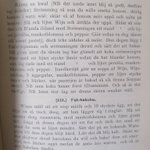
So what's the deal with water birds? Why are they so interesting? Bird bones in general are scarce in archaeological material from the early midern period. This could be interpreted as marginal use of birds. On the other hand, birds do show in customs records and account books 1/

Some miss the traditional spring hunt when migrating birds fly iver the archipelago. Nevertheless, populations of birds, especialky common eider, are diminishing. At the moment it seems that this is due to a well being population of white-tailed eagles. 4/
