Proud American 🇺🇸 | America First. Truth over narrative. Stand up, speak out, save America!
Joined November 2013
- Tweets2.1K
- Following279
- Followers510
- Likes2.1K





Lexie🌹👉🏻🇺🇸 retweeted

A system that lets someone worth seven figures collect food stamps isn’t generous … IT’s BROKEN!
USDA is right to go after BBCE.
Should’ve happened years ago.


Lexie🌹👉🏻🇺🇸 retweeted

By 1905, the American Old West was slowly disappearing, but its dangerous frontier spirit had not yet faded. Across the Arizona Territory, rough railroad towns, crowded saloons, personal feuds, and sudden gunfights were still part of everyday life.
Among the lesser-known names connected to this turbulent period was John Shaw, a man whose story is associated with a reported gunfight in April 1905 in Canyon Diablo, Arizona Territory.
Canyon Diablo was notorious for its lawless reputation.Railroad workers, gamblers, drifters, and troublemakers passed through the settlement, creating an atmosphere where arguments could quickly turn into deadly confrontations. It was the kind of place where a man's reputation could be made or destroyed in a single afternoon.
A surviving historical photograph reportedly shows Shaw standing beside two other men near a wooden picket fence. The image offers a rare glimpse into a forgotten chapter of frontier history, preserving the faces of individuals who might otherwise have vanished into old newspaper accounts and fading memories.
By the beginning of the twentieth century, railroads were reshaping the American West. New communities were developing, law enforcement was becoming more organized, and the legendary frontier was gradually giving way to a different America.
Yet the old conflicts, rivalries, and traditions of frontier justice had not completely disappeared.
John Shaw never became a famous figure of Western history, but his connection to Canyon Diablo offers a reminder that behind every legendary outlaw and famous gunfighter were countless lesser-known individuals whose stories were never fully told.
What really happened during that April 1905 gunfight?And how many forgotten characters from the Old West are still waiting to have their stories rediscovered?

Lexie🌹👉🏻🇺🇸 retweeted

His little prank cost him big time
Husband tried to be funny, now he is the one paying the price for it.😂😂


Lexie🌹👉🏻🇺🇸 retweeted

They abandoned her to escape the tsunami. Then the helicopter pilot spoke four words nobody wanted to hear.** "We're out of fuel!" Only moments earlier, Emma's family had believed they were the fortunate ones. They had secured


Lexie🌹👉🏻🇺🇸 retweeted
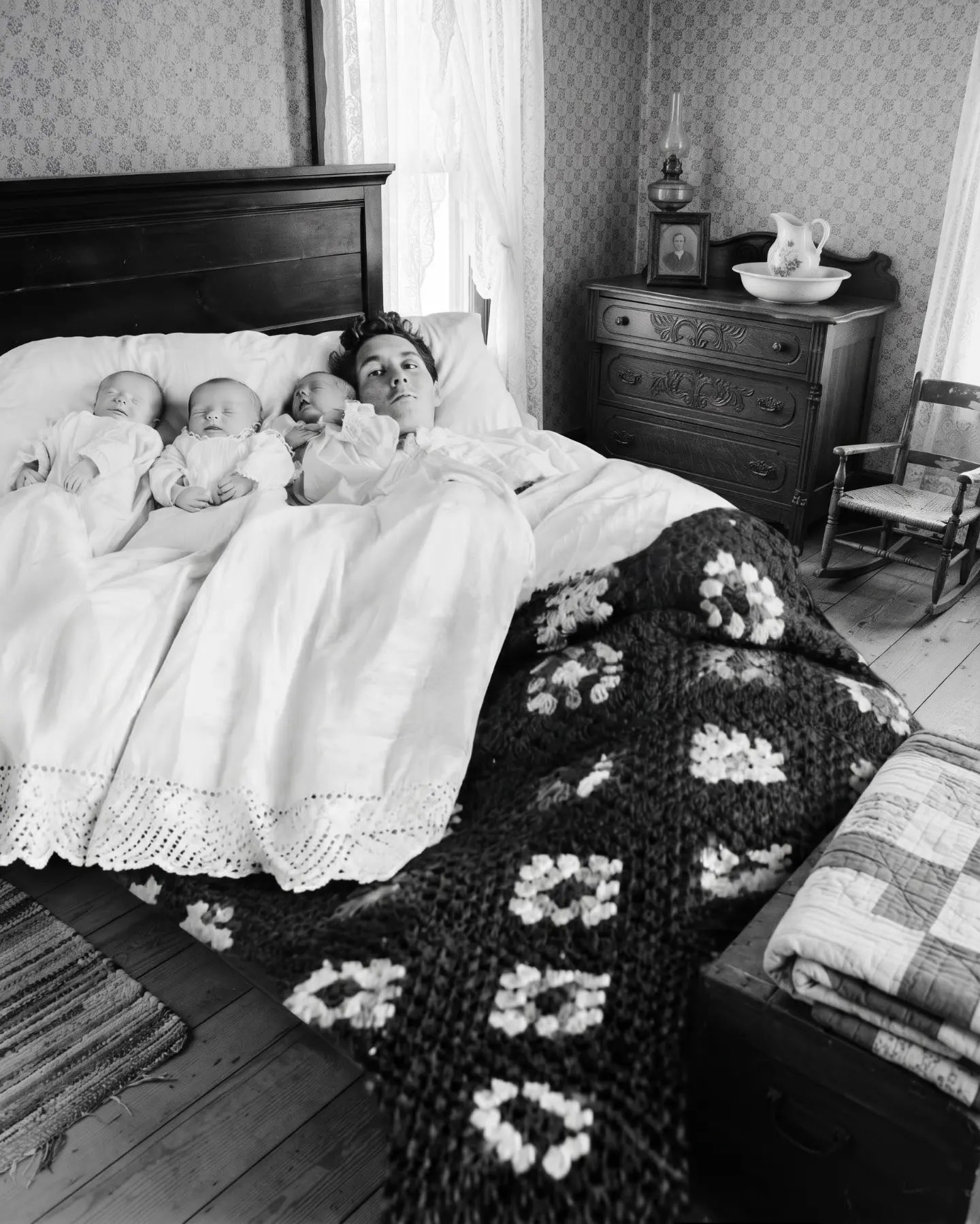
In 1885, a heartbreaking tragedy unfolded in Michigan when a mother and her three newborn babies reportedly lost their lives during childbirth. What should have been one of the happiest days in a family's history became an unimaginable moment of grief.
After carrying three children, the mother had given birth to triplets. But according to the story associated with this haunting historical photograph, neither she nor her three babies survived. Instead of celebrating the arrival of three new lives, the family was left facing four devastating losses.
The photograph captures the mother and her newborn children lying together on a bed. Arranged almost like a final family portrait, the image preserves a moment that their surviving relatives would never have wanted to remember under such circumstances. Yet more than a century later, it remains a powerful reminder of the dangers women and newborns faced in an era when medical knowledge and childbirth care were far more limited.
In the nineteenth century, complications during childbirth could quickly become fatal. Multiple pregnancies carried additional risks, and doctors had few effective treatments available when serious emergencies developed. For families living far from advanced medical facilities, the chances of survival could be even more uncertain.
Today, this photograph represents more than an old historical image. It tells a story of a mother who never got to raise her children and three babies who never had the opportunity to grow up. Somewhere, relatives were left mourning the future they had imagined for this family.
Imagine how many family stories of love, hope, and heartbreaking loss have disappeared with time, leaving behind only a single photograph.
What do you think future generations should remember when they come across photographs like this?