
CTO & Co-Founder at https://xitter.gq/t.co/l3GZZc31FW. ex SQL @ Snowflake, Member of Apache Software Foundation
Joined June 2009
- Tweets120
- Following280
- Followers209
- Likes278
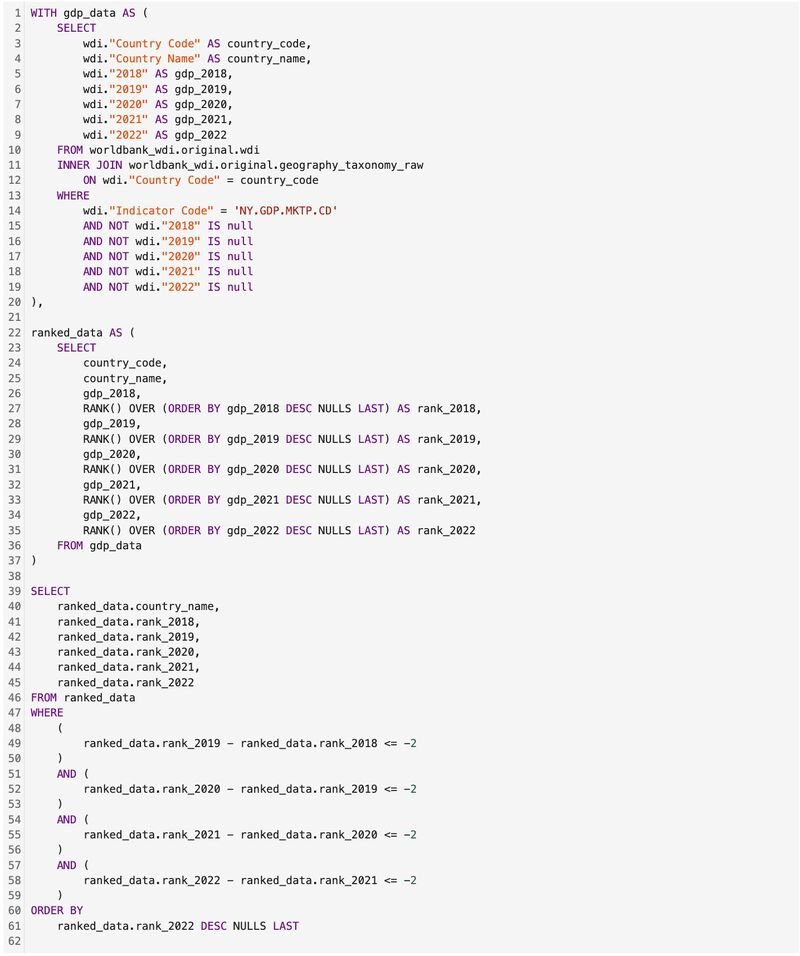
(2/n) R1 is REALLY good at understanding aggregation. Current models like GPT-4o, Claude 3.5 sometimes mess up complex aggregations (like avg of daily avg sales) or window functions with filters. But R1 handles these consistently better than other models I've tested. Example:
44
(1/n) 1) The self-debate is fascinating - it's like watching a real, capable but hesitant person think through problems. Check out this snippet for one of the query

52
Wrote a blog post about how to build an enterprise-ready Text-to-SQL system, plan to build one yourself? Check out the post! medium.com/querymind/buildin…

5
212
2/5 🧪 We tested GPT-4 on the Spider dataset, a SQL generation benchmark. Our evaluation focused on query result correctness. With proper prompting and tuning, GPT-4 outperforms previous methods. #Benchmarking #ML

161
Just back from Tahoe to Bay Area via Hawthorn/Bishop/Bakersfield in 13 hours. There’s no snow after Carson city, and no traffic slowdown at all during the trip. If you cannot go back to Sacramento/Bay area via I-50/80, this is what you could try.

1
3
5/ Without Gang Scheduling / binpacking, cluster autosaling is delayed and cannot update fast enable to meet upscaling / downscaling requirement:

1
4/ WIth Gang Scheduling and Bin-packing, cluster autoscaling can be "tailored" based on requests, you can see a beautiful shape of the node size change.

1
1
3/ When Gang Scheduling is enabled, Kubernetes need to wait for Spark driver launch first, which increases delays, the below picture shows it takes 9 mins to create 180+ nodes (not even reached 200 nodes)

2/ When YuniKorn Gang Scheduling is enabled, CDE can pre-create pods requests ahead of time, and cluster autoscaling can be triggered way faster (from below picture, you can find cluster scale from 0 to 200 in 3 mins).

1

