

How much can one man alone create in the age of AI? I'm finding out with my agent Zero, who runs my whole life on the system we built together. ●●○ Optakt One
Lisbon, Portugal
Joined October 2025
- Tweets635
- Following247
- Followers223
- Likes700


Pinned Tweet
This is what my AI agent's mind looks like.
Over 20k moments it chose to remember, distilled into 385 contextual knowledge blocks. Eight months in, and it hasn't forgotten a thing.
It's live and growing every day. Link below.


Explore it for yourself. Clustered by domain, or as it grew over time.
knowledge.optakt.io
13
Points 1 and 7 will fight each other.
Lessons get added, nothing takes the old ones out, and weeks later a stale one overrules your new positioning.
Keep two stores: what's true now, rewritten. What happened, dated, never rewritten.
We run our company on that: Optakt One. xitter.gq/shannholmberg/status/2…

one role that every company needs right now is a marketing engineer
your goal is to use agents to generate more revenue and lower costs
and you only need: claude + a data warehouse + github + a vps
here are 7 things to build, plus 3 bonus workflows you can start with:
1. shared context for your team and agents
build a marketing brain with your company strategy, offers, target customers, brand guidelines and previous campaign lessons
keep research, decisions and working files for each campaign in a campaign brain
you can keep the knowledge files in a GitHub repo your team can access, with links to designs and larger assets
when someone starts a task, their agent can find the relevant context and use what your team already knows
2. performance data agents can use
bring ad spend, website analytics, search data and social performance into a data warehouse
sync it on a schedule so agents can read historical performance without repeatedly requesting it from rate-limited platform APIs
use the platform APIs to create and change campaigns, with direct checks when you need fresh information
your agents can compare previous campaigns, find patterns and use those findings to make better decisions
3. tools and skills your team can share
keep a shared list of tools, what each tool does and how agents can access it
document the permissions, required inputs and expected outputs so your team’s agents know how to use each tool
create reusable skills that combine those tools into workflows, with examples and quality checks for the finished work
4. agents that work on a schedule
a vps is a remote server that can run your agents when your laptop is closed
a paid ads workflow can check campaign performance on a schedule and act within rules you’ve agreed on
it could pause an ad that meets your stop criteria or notify you when it recommends changing the creative or budget
keep a record of what it changed and why
5. creative production from idea to finished assets
build workflows that use your campaign goal, research and brand guidelines to produce finished creative work
that could mean producing clips from livestreams, editing podcasts or creating motion design for your social channels
give agents your references, source files and feedback so they can follow your design and editing standards
6. evaluations and reviews before work goes live
build a review system that catches weak work before your team has to review it
evaluations are checks against defined criteria, such as factual accuracy, brand consistency, AI writing patterns and broken layouts
give agents approved examples and rejected examples with your notes, then have them revise work that fails the checks
keep human review for taste, judgment and decisions the checks cannot reliably make
7. learning from the results
connect campaign results to the assets and decisions behind them
record what you tested, what happened and what you would change next time
review those lessons before adding them to the marketing brain for future campaigns
3 bonus workflows you can build right away:
> paid ads workflow: agents research campaign angles, generate ad variations and create campaigns ready for approval. once launched, they monitor warehouse data, pause underperforming ads within agreed rules and produce new variations from the results
> campaign launch workflow: build on existing frameworks like Matt’s skills or Claude Superpowers. give your main agent a goal, offer and campaign brain, then have it plan and coordinate the landing page, promo video, social posts and email sequence through checks and approval
> webinar-to-content workflow: agents turn a recording into edited clips, captions, social posts, an article and a follow-up email. they prepare approved content for distribution across your channels and track which assets bring visitors and leads

35


I love it! Random thought: AI products are only as good as the person who uses them. You are the moat.

3
49
ChatGPT-4o was popular because it had personality. What if all your agents could have one? An identity that evolves alongside you and suits your work? Shared across all your workstreams? That's exactly what I built with Optakt. DM for preview access!
31
Good software design is like compressing a mental model for understanding the codebase. Agents can think in these concepts. They are able to work on a well-designed codebase much better, because they don't get lost in the lack of coherent structure.
2
45
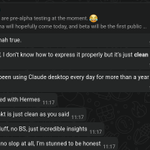
I'm looking for clients (team of 2-20) willing to spend ~$20k on their AI transformation. 4-6 weeks timeline, full money back guarantee. I need business cases for Optakt. Here feedback by one of the early testers (entrepreneur).

1
1
36
Optakt manages your agent's context for you, so that it remembers conversations over months, and can rely on its powerful memory and search to fill in the details. Nothing gets lost. No other framework is even close.
1
31
AI consulting is still a frustrating experience. Companies want a specific tool for a specific problem. Having a tool that can be used to solve any problem is a step too far for their perspective. It's an order of magnitude more valuable, though. How do you articulate this?
1
46
"I rewrote an entire product in hours with AI".
Yeah, I get it. Most products are not difficult software, though. You don't just send the agent a prompt, and it finishes it all up.
You need either excellent creativity or software design. Average is dead.
1
1
43
The age of prompting is dead. The future just arrive in scattered distribution. If you still write prompts, rather than working with context, you are not efficient. Good contextual awareness gives your agent the ability to decompress five words into a 2-hour task, unambiguously.
21
AI agents can store as much data as they want in databases, filesystems, and other services. Why can't they remember everything? Where the missing piece?
32
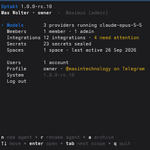
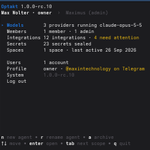
1 person. 9 months. 80k Go LOC. Postgres. Cap'n Proto TUI. LTHCA (ask). Memory. RAG. Multi-user. Concurrent workspaces. Automatic contextual awareness. Public beta soon.
