

Creators of a model to restore native biodiversity of watershed ecosystems and reverse process of extinction of species. https://xitter.gq/t.co/K2rLhCWJSw
Eastern US
Joined November 2010
- Tweets311
- Following1.8K
- Followers586
- Likes6.5K


Increasing populations of Blue wood Aster...reversing declines in native bee species.

Symphyotrichum cordifolium supporting 7 species of native bees today! What a great late season aster. Reversing the extinction process in the watershed by outcrossing local populations of important species for exponential increases in seed production.

6
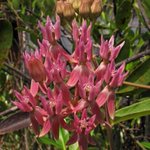
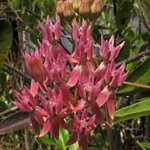
Red Milkweed (Asclepias rubra).
@milkweed_girl
Finding new ways to increase diversity in populations through propagation and outcrossing.
(photo Georgia Biodiversity portal)

The ancient fabric that no one knows how to make bbc.com/future/article/20210… via @BBC_Future
Pretty neat article involving a relative of cotton.

1
Here are some of our toughest grasses for their niche in the mid-Atlantic.
Danthonia spicata
Dichanthelium sp.
Carex tonsa (graminoid)
Dicranum? (Moss)(moss ID suggestions welcome)
01-12-2021

Can anyone recognize this “mistletoe host” from southern Maryland?
Got the tree part. Wondering which species.
#underthemistletoe


This is Bromus pubescens, Woodland Brome.
....One of our cool-season native grasses with great pendulous bloom spikes and amazing cold weather color.

5


Proudly presenting nativegrasslands.org. Check it out and let me know what you think! #GoDaddy #WebsiteBuilder via @GoDaddy
1
3
Just googled:
 The best chicken breeds for dark brown eggs are:
•Barnevelder
•Empordanesa
•Maran
•Penedesenca
•Welsummer
This post is from an account that no longer exists. Learn more
It would be interesting to calculate the impact of this on endangered bees such as Bombus affinis and other rare bees.

Pasturing honey bees on public lands could spell disaster for native bees:
"It has been carefully estimated that a moderately-sized
honey bee hive will remove...pollen needed to rear 33,000 average sized native bees/month..."
1
Symphyotrichum cordifolium supporting 7 species of native bees today! What a great late season aster. Reversing the extinction process in the watershed by outcrossing local populations of important species for exponential increases in seed production.
Agapostemon has the propodeal ridge which the other Augochlorini do not have. Oval tegulae help to really narrow down who she is.


Augochlora pura or agapostemon splendens? Tough to say. Either way this gorgeous girl brightened up my day!
.
.
.
#bees #bee #pollinators #nativebees #nativebee #pollinatorfriendly #pollinatorplants #pollinate #pollination #beelove #beelover #greenbee #… instagr.am/p/CGLT2uPgbZb/

1
2
This is Lasioglossum fuscipenne or Dark-winged “sweat bee”.
The species name in Latin means, appropriately, dark-winged.
On Symphyotrichum lateriflorum- Calico aster.

1
The asters really close the year out spectacularly.
Blue wood aster or Heart-leaved aster.
Symphyotrichum cordifolium.

2
Short-winged grasshopper eating seeds of Hieracium.
Melanopus scudderi on Hieracium gronovii.
28 September 2020

Encountered a spectacular community of Anthophora abrupta numbering in the thousands in Maryland. This is a solid pollinator in late Spring/early Summer.
Sound up! #solitarybees #biodiversity
Form and function and beauty...

Butterfly wings are ALIVE ... with their own heart, stress and thermal sensors, I kid you not.
Great video clip here of the major findings from this nice integrative study rdcu.be/b0TZ0