

童話作家です。「つもりやもり」「永遠物語」 神主です。中央地方の馬主です。中央競馬の勝負服は白一色。自分自身に競走馬を活用したホースセラピーを試しています。結果は上々です。日本が大好きです。神愛笑勢(しあわせ)者でいこう!
長野、茨城、北海道、滋賀、名古屋、笠松、金沢、園田
Joined January 2013
- Tweets51.4K
- Following1.3K
- Followers668
- Likes112K





Pinned Tweet
お知らせです^ ^
僕が企画原作を作った漫画の配信が開始されました。
フェムテックの番組を作っている中で、一番感激した話が助産師さんの話でした^ ^
日本で最初のフェムテックを考えるニッポン放送の番組発信ということで、
良い流れにしていきたいです^ ^
世界には文化ごとにお産の考え方が違う。
日本は凄く守られているし、恵まれている。
そんなことも知らずにいました。
「天使からの伝言」配信のURLです。
ぜひ^ ^
ーーーーーーー
FOD
manga.fod.fujitv.co.jp/books…


やばい。学問がいかせていない


小林照弘(黒いドラえもん) retweeted

日本の厳格なヴィーガン食「精進料理」による栄養失調で「禅病」と呼ばれる病気が多発したんですよ。
玄米や麦飯を食べてるのに糖質中心の食事からビタミン不足に陥り脚気になったりたんぱく質不足や鉄欠乏に陥ったり。
人間は雑食動物なので植物食に極端に偏ると碌な事が無いんですね。

なぜ日本では、ヴィーガンやベジタリアンがあまり身近じゃないんだろうな?
ヨーロッパやオーストラリアでは、そういう人に出会うのは珍しくない。
理由を聞くと、「人間の都合で動物を食べたくない」「自分はその一端になりたくない」と話す人が多いな。
日本にも、同じ考えの人がもっといてもおかしくない。
でも、俺はまだ出会ったことがない。
日本では「いただきます」「ごちそうさま」と言って、残さずおいしく食べることを大切にする人が多い印象。
そう考えると、食べない選択の方が命を大切にしてる気はするんだよな。
ちなみに俺は3年前オーストラリアで10日間ヴィーガンのボランティアをした。
その後、ジャパレスに直行して天丼をかっ食らったのだった。
Readers added context they thought people might want to know
精進料理
shojincuisine.org


もうすぐ50代になるから、絶対にご馳走様は言うようにしよう。
体の不調と心の不調に、機嫌の悪さまで追加したくないもんね。
自分の声は、自分が1番最初に聞いてるんだから。

私は流しのタイミーさん。これまで多くの飲食店に入って、「返却口」の向こう側に立ってきた。
お昼のピーク時には、引っ切りなしに食器が返却される。返却口の棚は2段か、多くて3段。横には3スペース分くらい。忙しくなると返却口はすぐに渋滞する。
食器が返却された時は「ありがとうございます」と、なるべく全員に声をかけている。この声が、お客様とお店との最後のコミュニケーション。あるか無いかで、〝気持ちの後味〟が違うもの。私が客だったら、言われると嬉しいから。
お客様から言われる「ごちそうさま」は、あったり、なかったりする。別に、「ごちそうさま」と言わなければいけないことはなく、お客様のご厚意、お気持ちのようなもの。(レジの人を呼ぶときに「ごちそうさま」と言うような、店員コールの場合は別)
色々な飲食店で様々なお客様と出会ったが、そこで「ごちそうさま」率が高い食べ物ジャンルと、「ごちそうさま」率が高いお客様層が、なんとなく分かってくる。
「ごちそうさま率」が高かったのは、食べ物ジャンルだと東京におけるそば屋。どんな立ち食いそばでも、お客様は「ごちそうさま」と言う。江戸時代のそば切りから、現代の東京に根付いたそば文化を大切にする、「ごちそうさま」と声を掛けるのが江戸っ子の粋ってなものかも知れない。とにかく東京ではそばが大切にされていると感じる。
ラーメン、うどんのごちそうさま率は7割くらいで、牛丼になると5割くらいの印象。
お客様層で言うと、フードコートに来るような10代、20代のヤング達のごちそうさま率は結構高い。みんなちゃんとしてる感じ。30代、40代の子育て世代になると、男性がやや下がるが、女性のごちそうさま率はまだ高いと感じる。
ごちそうさま率が低いのは、50代後半以上の男性。無言の人が多い。印象に残っているのは、都市部で、大きな銀行や証券会社など、スーツ姿の男性が多く働くようなエリアにある牛丼店では、その会社の人だと思われる50代、60代のスーツ姿の男性のごちそうさま率は、2割もない感じ。
50代・60代になると役職が付いて会社で「偉いさん」になると、牛丼店のアルバイトに「ごちそうさま」と言う意識はもうないのかも知れないな、とか思ったりして。
また、返却口にはトレーをたくさん置けるようにレーンのような凹凸があるが、それを無視して横向きに置きがちなのもこの世代の男性である。「お前、やっとけ」と無言で言われる感じ。ああ片付けますとも(私も50代)
みたいな感じで社会と接触できるのが大変面白いと思うタイミー飲食バイトであります。
あ、追記で、高速道路のSAのフードコートで夜22時から朝8時まで洗い場に立ったことがありますが、0時を過ぎるとお客様は高速バスや長距離トラックの運転手ばかりになり、明け方までは「ごちそうさま率」はグンと上がる。
こんな話に興味ある方は私のタイミー飲食体験ルポな同人誌「洗い場王に俺はなる」を読んでみてくださいね。


小林照弘(黒いドラえもん) retweeted
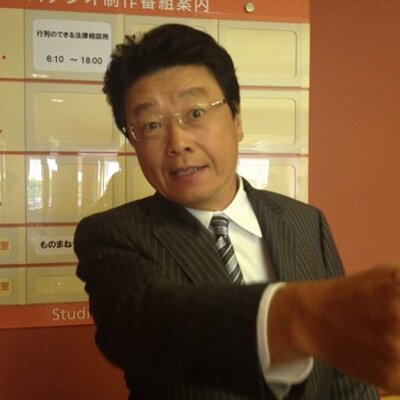
6ヶ月前に配信した時に4378億円ものワンヘルス利権があるとは知らなかった。
今も「ワンヘルス廃止」を主張するのが「森けんたろう」ただ1人なのが信じ難い。他の市長候補のセンスがないだけなのか、それとも蔵内君の威光が未だに及んでいるのか、何れにしても市長は森けんたろう一択。

海外視察に10年間で10億円!? / 高額パーティー券を県幹部に強要!?【史上最低!福岡県議会】 youtube.com/live/-ZyTDDyTu_U… @YouTubeより

小林照弘(黒いドラえもん) retweeted

相続・贈与税なんか廃止しろよ

相続・贈与税100%猶予特例廃止か拡充か 中小企業の事業承継、議論白熱
sankei.com/article/20261107-…
非上場株の相続税などを実質免除する特例措置は令和9年12月末が期限で、9年度税制改正の議論で今後の在り方を検討する。

小林照弘(黒いドラえもん) retweeted

何も考えていない人に対する最大の制裁は「説明の要求」だったりする。

【自民 採決前退席の4氏に説明要求】
news.yahoo.co.jp/pickup/6601…

たいせつ!

Elon Musk was once asked to explain first principles thinking in a way that anyone could understand. Instead of giving the business school version (which he has done many times), he gave an example so simple that it revealed something about how his brain actually works, not how he describes it working.
He said: "If you want to make a cheaper rocket, most people look at what rockets cost today and try to make them 10 percent cheaper. That's reasoning by analogy. You're comparing to what exists. First principles says: what is a rocket actually made of? Aluminum alloys. Titanium. Copper. Carbon fiber. What do those materials cost on the commodity market? About 2 percent of the cost of a finished rocket. So the question becomes: why is there a 98 percent markup between the raw materials and the finished product? The answer is: because that's how it's always been done. First principles says that's not an answer."
The 2 percent number is the one that changed SpaceX. When Elon calculated that the raw materials for a rocket cost 2 percent of the finished rocket, the gap between 2 percent and 100 percent became the engineering problem. Every layer of that gap (labor, manufacturing process, supply chain, contractor markups, design complexity, testing redundancy) was interrogated individually. The layers that were necessary were kept. The layers that existed because "that's how it's always been done" were eliminated.
The elimination produced the Falcon 9. A rocket that costs roughly $2,720 per kilogram to orbit. The Space Shuttle cost approximately $54,500 per kilogram. The reduction is not 10 percent. It is 95 percent. The reduction came not from building a better version of the existing approach but from asking why the existing approach costs what it costs and eliminating everything that doesn't have a physics based answer.
The simplicity of the explanation is the vulnerability. Most CEOs explain their thinking in complex frameworks designed to sound impressive. Elon explained his in terms of aluminum prices and percentage markups. The explanation is so simple that it's almost embarrassing for the audience of MBAs who spent two years learning frameworks that a commodity price check renders unnecessary.
The man who thinks in first principles can explain it to a child because the thinking itself is childlike. Children ask "why" until the adult runs out of answers. Elon asks "why" until the engineer runs out of physics based answers. The moment the answer becomes "because that's how we've always done it," the thing being discussed is a tradition, not a requirement. And traditions are eliminated. Requirements are optimized. The distinction between the two is worth $100 billion in rocket economics.
First principles is not a business methodology. It is the refusal to accept an answer that doesn't reduce to physics. Every child does it naturally. Most adults unlearn it. Elon never unlearned it. The man who builds rockets thinks like a five year old who won't stop asking why. The five year old's question, applied with an engineering degree and a hundred billion dollars, is the most powerful tool in commercial space.