








にたがい おさむ retweeted

フリュー様より本日発売の
『アノマリス/ANOMALITH』にて
小野寺を担当致しました
昭和が続き突如異界化し
異形の者が蠢く日本で
貴方はどう生き残るか...
この混沌に満ちた世界で
サバイブ出来る様に
魂を込めて演じさせて頂きました
是非ソフトを手にしてプレイして下さい
#アノマリス #ANOMALITH

にたがい おさむ retweeted

好きな都道府県を選んで天下統一を目指すゲーム【47国志】を公開しました。落選しないようにお祭りで支持率を上げたり、産業を育てて地域を強くしながら、戦に挑んで領地を広げていきましょう!
amix-design.com/tl/tool-g-47…


にたがい おさむ retweeted

裏方にもフォーカス。ナレーターを取り上げくれるイベント。画期的。「ナレーター」の枠を超えていくひとつとなりそう。
ナレーターなんてたかが60年ほど。ここから先に!ふふふ。
share.google/Te0nA98rqCIrnBo…


にたがい おさむ retweeted

都内39の美術館・博物館が一斉夜間開館。国立西洋美術館や東博、東京都現代美術館などが参加
bijutsutecho.com/magazine/ne…

なつかしさを旅中で感じる。
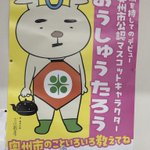
岩手県ご出身の漫画家、吉田戦車さんデザインのマスコットキャラ、おうしゅうたろう。覚悟を感じるなめらかなフォルム。
以下、制作過程→comiciwate.jp/comic/ousyuuta…

にたがい おさむ retweeted

演劇のタイムスケジュールをPC・タブレットで作成できるツールを作ってみました!
ぜひ使ってみてください!改善案などフィードバックいただけると嬉しいです!
画像はこのアプリで作ったタイムスケジュールと操作画面です。地獄みたいなスケジュール……
taisuke.poride-design.com/


平泉にある悠久の湯という温泉•サウナにも入ってひとねむり。涼しめのこじんまりとしたサウナでは人口密度が高い中、地元の方言で、なかなか聞けないお話も、、
そうだそうだ、こういうイントネーションだったアクセントだったと北上の喫茶店でバナナジュースぐびっと


にたがい おさむ retweeted

【お知らせ】
『コール オブ デューティ モダン・ウォーフェア4』に出演しております。
DMZボスのスカベンジャー役を担当しました!お会いできましたらどうぞよしなに🔥☠️🔥
#CallofDutyModernWarfare4
#CODMW4

にたがい おさむ retweeted

本日発売✨️
🎬️💿️日本語吹替版にてミス・ロアバーカー役の声を担当しています🗣️
私も家族で観ます✨️
#サンキュー・チャック

🎉本日Blu-ray&DVD発売🎉
🎬『サンキュー、チャック』📀
🇯🇵日本語吹替収録‼️
出演🗣️平川大輔/大泊貴揮/渡辺弥咲/原田萌/巻島康一
🎁BD映像特典充実‼️
メイキング×2種類/インタビュー/対談×2種ほか収録
ご購入は👉gaga.ne.jp/dvd/thankyou_chuc…
✨発売記念✨
👇冒頭2分半<超重要部分>を特別公開
にたがい おさむ retweeted

めちゃくちゃいい説明

Hello Japanese Twitter. I want to explain why Western consumers are often willing to push the boundaries of copyright, even when it's controversial:
Historically, in the West, challenging copyright restrictions has SOMETIMES led to better outcomes for everyone, including the copyright holders themselves.
Take "fair use".
In the US, copyright law allows people to use pieces of copyrighted material for criticism, reviews, education, research, and parody, depending on the circumstances. It's why anyone can make YouTube essays using gameplay footage, review movies using clips, parody existing works, or study copyrighted material.
These freedoms developed over decades of folks challenging copyright restrictions in court. People pushed boundaries, courts established new rules, and consumers benefited. Hooray!
Something similar happened with the "right-to-repair" movement. Manufacturers have used copyright restrictions, software locks, and other barriers to stop people from repairing products they own. Consumers challenged those restrictions, by repairing them anyway, then being sent to court, which helped bring about laws that expanded our repair rights.
Basically we said: "This law sucks. If I buy this shit, I should have basic rights over how I use and repair it."
Now consider Piracy. I don't condone piracy, but I recognise that it has sometimes exposed problems with how entertainment is sold.
Music piracy EXPLODED when people wanted digital music. Then iTunes was created in response, and helped prove that millions of those same pirates were happy to pay for a convenient, affordable service that didn't exist. Movies and TV experienced similar problems, so streaming services were made which helped massively reduce Piracy. PC gaming saw something similar with Steam.
But my favourite example is Crunchyroll!
Crunchyroll started as a website hosting Pirate anime. Western audiences wanted to watch Japanese shows that often weren't legally available in their countries. Eventually, it becamse so big Japan made a deal with Crunchyroll to become a legitimate streaming business. The site now licenses anime directly from Japanese companies.
Today, it has millions of paying subscribers and generates MASSIVE revenue for the Japanese anime industry.
An audience that once watched anime without permission became a massive international customer base willing to pay Japanese companies. Imagine if that demand had simply been dismissed as criminal behaviour, without anyone recognising the business opportunity??
This is the pattern I'm trying to explain.
We see that when consumers push against restrictions, they sometimes expose problems with the existing business model. Companies respond with better services, laws change, and both consumers and creators can benefit.
None of this means piracy is justified or that creators shouldn't be paid. Only that challenging a restriction can SOMETIMES reveal that the damn restriction itself is preventing a better solution, and pressing on that restriction can create to fix.
I think this helps explain a cultural difference between some Western and Japanese attitudes towards copyright. Western consumers often see copyright disputes as ordinary folks fighting against wealthy corporations controlling access to entertainment. Japanese audiences seem to place greater emphasis on respecting the people and companies who created that entertainment.
Of course, neither perspective represents everyone. And I respect both views.
But where one person sees disrespect towards an artist's work, another sees consumers challenging a corporation's control over something they love. And because Western history contains examples of those challenges producing positive results, some Western consumers are more comfortable pushing those boundaries.
(Hope you can see how these points are relevant to old videogames like Tekken 6 that have no modern re-release/re-print)
ALSO I accept that sometimes piracy means consumers don't want to pay. They are just thieves. But other times, it means consumers were never given the opportunity to pay, and the solution will arise from pushing boundaries.
Please understand I'm not defending piracy. Just explaining why some Western consumers are willing to challenge copyright restrictions and not hate it so much.
We see things differently because history has shown us that sometimes, when people push back, everyone can end up way way way better off.
Sorry this was so long.