

🔺Śāktopāya 🔆 विवस्वान कुल ⭐ श्रुति-स्मृति-पुराण-तंत्र अन्वेषक ♻️ Integral Yoga 🐦 सर्वाम्नाय ☂️ स्वात्माराम🪻तत्त्वमसि 🛞 सत्चित् चैतन्य 🪷 हंसःश्शिवस्सोहं 🦢
Hiranya Lok ✨
Joined July 2012
- Tweets2.2K
- Following7.4K
- Followers1.6K
- Likes23.9K






Pinned Tweet
|| ॐ वज्रपाणि हुं ||
Each soul is potentially divine. The goal is to manifest this divinity by controlling nature, external and internal. Do this either by work, or worship, or psychic control, or philosophy - by one, or more, or all of these - and be free.
~ Swami Vivekananda.

☀️ SIDDHI DAY (also called the Day of Victory) falls on November 24 and marks the November 24, 1926 spiritual event in Pondicherry when Sri Aurobindo experienced the descent of the Overmind consciousness (Sri Krishna) into the physical, preparing the way for the descent of the Supermind. 🪷
✨ Key Details of November 24, 1926:-
The Gathering: Around 24 disciples gathered in meditation as Sri Aurobindo and The Mother came out together; witnesses described a deep silence, an "oceanic flood of light," and a sense of pressure above the head.
Shift in Ashram Leadership: Following this day, Sri Aurobindo withdrew into deeper seclusion to pursue intense sadhana for the Supramental descent, while The Mother took charge of the outer guidance and administration of the ashram.
Founding of the Ashram: This milestone is recognized as the formal founding moment of the Sri Aurobindo Ashram and is observed annually as one of the four Darshan days.
✨ The Deeper Meaning:-
In Integral Yoga, there is no hidden worldly secret—the inner significance lies in what Sri Aurobindo and The Mother explained happened that day -
Overmind vs. Supermind: Sri Aurobindo explained that the descent of Sri Krishna meant the Overmind Godhead was established to prepare—rather than immediately complete—the descent of the Supermind and Ananda into earthly matter.
Collective Yoga: Rather than individual withdrawal from the world, the event marked a shift toward transforming consciousness in life and matter, with The Mother guiding the practical and spiritual work of the ashram community.
Observance:
It is one of the four major Darshan days at the Sri Aurobindo Ashram, alongside Sri Aurobindo's birthday (August 15), the Mother's birthday (February 21), and the Mother's final arrival in Puducherry (April 24).
NOVEMBER 24, 2026, marks the CENTENARY (100th ANNIVERSARY) of SIDDHI DAY and the founding of the Ashram. – at Pondicherry, India


Sol ☀️ वेदात्मन् retweeted

🪔 THE SACRED TRADITION OF DEEP DAAN ON DEV DEEPAVALI | दीपदान का महात्म्य
A diya is more than a flame. It represents knowledge overcoming ignorance, hope overcoming despair
and consciousness overcoming darkness.
Deep Daan (दीपदान) is among the most
cherished observances of Kartik Purnima.
👉🏻How many diyas can you offer?
According to your capacity and family tradition:
▫️5 diyas : Panchatattva remembrance.
▫️11 diyas : A devotional offering.
▫️21 diyas : An expanded prayer of gratitude.
▫️365-wick diya : A special traditional observance symbolically associated with offering light
throughout the year.
👉🏻Where can you light them?
▫️Near Tulsi Mata (तुलसी माता).
▫️At your home temple (गृह मंदिर).
▫️Near a Peepal tree (पीपल वृक्ष).
▫️At a Shiva or Vishnu temple.
▫️Near a sacred river or pond, wherever permitted.
▫️At the main entrance of your home.
Use clean earthen diyas, cotton wicks
and pure ghee or sesame oil.
If you cannot visit a river or temple,
performing Deep Daan at home with devotion
is equally meaningful as a personal observance.
📕DEEP DAAN PRAYER I दीपदान प्रार्थना [📔IN PAID GUIDE]
🌕 Dev Deepawali is not merely a festival of lamps;
it is a symbolic offering of light, gratitude & devotion.
🪔 Why is Deep Daan performed?
🔸Lighting a diya represents the removal of
ignorance and the awakening of inner wisdom.
🔸Offering lamps near temples, Tulsi plants,
riverbanks and sacred spaces is considered
an act of devotion.
🔸In Kashi, thousands of lamps illuminate the
ghats as an expression of the celestial celebration
of Mahadev's victory.
▫️ If visiting a river or waterbody for deep daan,
follow local safety and environmental guidelines.
Avoid releasing plastic, synthetic materials or
floating lamps that may pollute the water.
✧・゚: ✧・゚: 🪔 :・゚✧:・゚✧
🪷 ॥ ॐ नमो भगवते वासुदेवाय ॥ 🪷
🪔देव दीपावली एवं कार्तिक पूर्णिमा 🪔
🪔 देवताओं के स्वागत में जगमगाते दीप,
🌕 पूर्णिमा के चाँद से आलोकित पावन गंगा तट,
🌸 और हर हृदय में जागृत हो भक्ति एवं सद्भाव का प्रकाश।
༺❀༻༺❀༻༺❀༻༺❀༻
इस दिव्य पर्व पर माँ गंगा की कृपा,
भगवान विष्णु का आशीर्वाद एवं माँ लक्ष्मी का मंगल सान्निध्य
आपके जीवन को सुख, शांति, समृद्धि और
सकारात्मक ऊर्जा से आलोकित करे।
आपके जीवन का प्रत्येक अंधकार ज्ञान के प्रकाश में विलीन हो।
🪷 शुभ देव दीपावली! 🪷
॥ हर हर गंगेI जय श्री हरि! ॥
#कार्तिकपूर्णिमा #कार्तिकमास #देवदीपावली #देवदीपावली2026 #गंगास्नान #गंगापूजन #तुलसीपूजन #सनातनधर्म #सनातनसंस्कृति #शुभकार्तिकपूर्णिमा #हरहरमहादेव #जयश्रीहरि #जयश्रीराम
#KartikPurnima #KartikPurnima2026 #DevDiwali #DevDiwali2026 #DevDeepawali #KartikMaas #KartikSnan #SanatanDharma #Spirituality #Kashi #Astrohiranshi #UPPreparesForDevDeepavali #DeepDaan #KarthigaiDeepam #KarthigaiPournami #Astrology #BharaniDeepam #LordMurugan #Tiruvannamalai #ArunachaleswararTemple #TamilNadu #Viral #TrendingNow #IncredibleIndia
🎥 Video Courtesy: Respective Creator | Full Credits to the Original Owner.
Sol ☀️ वेदात्मन् retweeted

हिंदू पंचांग के अनुसार, मार्गशीर्ष मास को साल का नौवां महीना माना जाता है इसे अगहन मास के नाम से भी जाना जाता है उत्तर भारतीय पूर्णिमांत पंचांग के अनुसार, साल 2026 में मार्गशीर्ष मास की शुरुआत कल 25 नवंबर, बुधवार से हो रही है, जबकि इसका समापन 23 दिसंबर 2026 को होगा धार्मिक और आध्यात्मिक दृष्टि से यह महीना बेहद खास माना जाता है भगवान श्रीकृष्ण ने स्वयं
श्रीमद्भगवद्गीता में मार्गशीर्ष मास को अपना स्वरूप बताया है यही वजह है कि इस महीने में भगवान विष्णु और श्रीकृष्ण की पूजा, गीता पाठ, मंत्र जाप, स्नान और दान का विशेष महत्व माना जाता है
भगवान श्रीकृष्ण ने क्यों बताया मार्गशीर्ष मास को अपना स्वरूप?
हिंदू धर्म में मार्गशीर्ष मास को भगवान श्रीकृष्ण की आराधना के लिए विशेष माना गया है। श्रीमद्भगवद्गीता के विभूति योग में भगवान श्रीकृष्ण अर्जुन से कहते हैं-
'मासानां मार्गशीर्षोऽहम्' इसका अर्थ है कि महीनों में मैं मार्गशीर्ष हूं
भगवान श्रीकृष्ण के इस कथन के कारण इस महीने को विशेष आध्यात्मिक महत्व दिया जाता है धार्मिक मान्यता है कि मार्गशीर्ष मास में सच्चे मन से भगवान विष्णु और श्रीकृष्ण की पूजा करने, मंत्रों का जाप करने और धार्मिक कार्यों में हिस्सा लेने से पुण्य की प्राप्ति होती है
मार्गशीर्ष मास में इन 5 देवी-देवताओं की पूजा है शुभ
भगवान श्रीकृष्ण की पूजा
मार्गशीर्ष मास भगवान श्रीकृष्ण को समर्पित माना जाता है इस महीने में सुबह स्नान करने के बाद भगवान कृष्ण की पूजा करनी चाहिए। उन्हें पीले फूल, तुलसी दल और माखन-मिश्री का भोग अर्पित करना शुभ माना जाता है। इसके अलावा 'ॐ नमो भगवते वासुदेवाय' मंत्र का जाप भी कर सकते हैं
भगवान विष्णु की आराधना
भगवान श्रीकृष्ण को विष्णु जी का अवतार माना जाता है इसलिए मार्गशीर्ष मास में भगवान विष्णु की पूजा का भी विशेष महत्व है इस दौरान सुबह स्नान के बाद भगवान विष्णु के सामने घी का दीपक जलाएं और विष्णु सहस्रनाम या विष्णु मंत्रों का पाठ करें
माता लक्ष्मी की पूजा
मार्गशीर्ष मास में धन और वैभव की देवी माता लक्ष्मी की आराधना करना भी शुभ माना जाता है धार्मिक मान्यता है कि इस दौरान माता लक्ष्मी की पूजा और दीपदान करने से घर में सुख-समृद्धि और खुशहाली आती है विशेष रूप से गुरुवार के दिन मां लक्ष्मी की पूजा की जा सकती है
तुलसी माता की पूजा
हिंदू धर्म में तुलसी को बेहद पवित्र माना गया है मार्गशीर्ष मास में तुलसी माता की पूजा करना, उनके पास दीपक जलाना और भगवान विष्णु को तुलसी दल अर्पित करना शुभ माना जाता है मान्यता है कि तुलसी पूजन से घर में सकारात्मकता और सुख-शांति बनी रहती है
शंख की पूजा
मार्गशीर्ष मास में शंख पूजन का भी विशेष महत्व बताया गया है शंख को भगवान विष्णु से जुड़ा पवित्र प्रतीक माना जाता है पूजा के दौरान शंख बजाना और उसकी विधिवत आराधना करना शुभ माना जाता है
मार्गशीर्ष मास में भूलकर भी न करें ये 3 गलतियां
किसी का अपमान न करें
इस पवित्र महीने में किसी व्यक्ति का अपमान करने और दूसरों के प्रति गलत भावना रखने से बचना चाहिए माता-पिता, गुरुजनों और बुजुर्गों का सम्मान करें जरूरतमंद लोगों की मदद करें और सभी के साथ प्रेम और सद्भाव से व्यवहार करें
नशे और तामसिक भोजन से बचें
धार्मिक मान्यताओं के अनुसार, मार्गशीर्ष मास में सात्विक भोजन करना अच्छा माना जाता है इसलिए मांस-मदिरा और नशीली चीजों से दूरी बनाने की सलाह दी जाती है कई लोग इस महीने में प्याज और लहसुन जैसे तामसिक माने जाने वाले खाद्य पदार्थों का भी सेवन नहीं करते हैं
झूठ और छल-कपट से दूर रहें
इस महीने में झूठ बोलने, किसी के साथ धोखा करने, बेईमानी करने और दूसरों का हक छीनने से बचना चाहिए। भगवान श्रीकृष्ण ने भी अपने उपदेशों में सत्य, धर्म और अच्छे कर्मों का महत्व बताया है इसलिए इस दौरान अपने व्यवहार और आचरण को अच्छा बनाए रखने का प्रयास करें
मार्गशीर्ष मास केवल पूजा-पाठ का अवसर नहीं, बल्कि जीवन में सत्य, प्रेम, सेवा और सदाचार अपनाने का भी संदेश देता है भगवान श्रीकृष्ण की शिक्षाओं को अपने जीवन में उतारकर इस महीने को आध्यात्मिक रूप से सार्थक बनाया जा सकता है

Sol ☀️ वेदात्मन् retweeted
आज कार्तिक पूर्णिमा और देव दीपावली पर करें ये 9 विशेष उपाय, घर में बनी रहेगी सुख-समृद्धि और शांति
कार्तिक पूर्णिमा और देव दीपावली पर करें ये 9 विशेष उपाय, घर में बनी रहेगी सुख-समृद्धि और शांति
पौराणिक मान्यताओं के अनुसार, कार्तिक पूर्णिमा के दिन भगवान शिव ने त्रिपुरासुर नामक असुर का वध कर देवताओं को उसके अत्याचारों से मुक्ति दिलाई थी इस विजय की खुशी में देवताओं ने दीप जलाकर उत्सव मनाया। इसी परंपरा से इस पर्व को देव दीपावली कहा जाता है.
उत्तर प्रदेश के वाराणसी में देव दीपावली का विशेष उत्साह देखने को मिलता है काशी के गंगा घाटों पर लाखों दीप जलाए जाते हैं घाटों की सजावट, दीपों की रोशनी और गंगा की आरती इस पर्व को भव्य स्वरूप प्रदान करती है.
कार्तिक पूर्णिमा पर दीपदान का महत्व
धार्मिक मान्यताओं के अनुसार, कार्तिक पूर्णिमा की शाम को भगवान शिव के मंदिर सहित अन्य मंदिरों, चौराहों, पीपल के पेड़ और तुलसी के पौधे के पास दीप जलाना शुभ माना जाता है इस दिन दीपदान के साथ भगवान शिव के दर्शन और अभिषेक करने की भी परंपरा है मान्यता है कि इससे जीवन में ज्ञान, सुख, स्वास्थ्य और समृद्धि का आशीर्वाद प्राप्त होता है
आज कार्तिक पूर्णिमा और देव दीपावली के 9 विशेष उपाय
आर्थिक स्थिति बेहतर बनाने के लिए
एक साफ और नया पीला कपड़ा लें इसमें थोड़े चावल रखकर पोटली बना लें। इसके बाद पोटली को भगवान विष्णु के चरणों में स्पर्श कराकर किसी मंदिर में दान करें। धार्मिक मान्यता है कि इससे आर्थिक स्थिति में सुधार और धन के प्रवाह में वृद्धि होती है
अन्न-धन की बरकत के लिए
लगभग 900 ग्राम चने की दाल भगवान सत्यनारायण के चरणों में अर्पित करें। इसके बाद इसे किसी सुपात्र ब्राह्मण को दान कर दें मान्यता है कि ऐसा करने से घर-परिवार में अन्न और धन की बरकत बनी रहती है
अच्छे स्वास्थ्य की कामना के लिए
प्रसाद बनाने के लिए थोड़ा आटा घी में भून लें इसमें शक्कर और केले के छोटे टुकड़े मिलाएं भगवान को भोग लगाने के बाद प्रसाद परिवार के सदस्यों और छोटे बच्चों में बांट दें धार्मिक विश्वास के अनुसार, इससे परिवार के सदस्यों के अच्छे स्वास्थ्य की कामना पूरी होती है
मानसिक शांति के लिए
भगवान सत्यनारायण के समक्ष घी का दीपक जलाएं और चंदन की धूपबत्ती अर्पित करें। इसके बाद भगवान को केले का भोग लगाएं। मान्यता है कि इस उपाय से मन को शांति और सकारात्मकता मिलती है.
रुके हुए कार्यों की पूर्ति के लिए
स्नान के बाद स्वच्छ वस्त्र धारण कर लक्ष्मी-नारायण मंदिर जाएं वहां कटे हुए नारियल के टुकड़े और मिश्री का भोग लगाकर अपने कार्यों की सफलता के लिए प्रार्थना करें धार्मिक मान्यता है कि इससे अटके हुए कार्यों में गति आती है
घर में सुख-समृद्धि बनाए रखने के लिए
स्नान के बाद थोड़ी रोली में घी की दो-चार बूंदें मिलाकर पेस्ट तैयार करें इससे घर के मंदिर के बाईं और दाईं ओर स्वास्तिक बनाएं मान्यता है कि ऐसा करने से घर में सुख-समृद्धि और सकारात्मक ऊर्जा बनी रहती है.
व्यापार में उन्नति के लिए
एक साबुत कच्चे नारियल पर हल्दी से 'श्री' लिखें और इसे भगवान विष्णु के मंदिर में दान करें यदि आसपास विष्णु मंदिर उपलब्ध न हो, तो किसी अन्य मंदिर में भी इसे अर्पित कर सकते हैं धार्मिक विश्वास के अनुसार, इससे व्यापार में तरक्की के अवसर बनते हैं
दांपत्य जीवन में प्रेम बनाए रखने के लिए
स्नान के बाद भगवान सत्यनारायण को चंदन का तिलक लगाएं और माता लक्ष्मी को लाल चुनरी अर्पित करें मान्यता है कि इससे वैवाहिक जीवन में प्रेम, विश्वास और आपसी सामंजस्य बना रहता है.
कार्यों में सफलता के लिए
भगवान सत्यनारायण को चंदन की सुगंध अर्पित करें और पीले रंग की मिठाई का भोग लगाएं इसके बाद अपने कार्यों की सफलता के लिए प्रार्थना करें धार्मिक मान्यता के अनुसार, इससे जीवन के विभिन्न क्षेत्रों में सफलता प्राप्त करने की कामना की जाती है
श्रद्धा और सेवा का भी रखें ध्यान
कार्तिक पूर्णिमा और देव दीपावली का पर्व केवल दीप जलाने और पूजा-पाठ तक सीमित नहीं है। यह दान, सेवा, सद्भाव और आत्मशुद्धि का भी संदेश देता है इस अवसर पर जरूरतमंदों की सहायता करना, अन्न और वस्त्र दान करना तथा अपने व्यवहार में सकारात्मकता लाना भी पर्व की भावना के अनुरूप है

Bright moon, glowing diyas, and pure devotion. Happy Dev Deepawali & Tripurari Purnima!
May the grace of Lord Sri Shiv Shambhu and Lord Sri Vishnu guide you towards truth and fill your heart with devotion.
Celebrating the triumph of light over darkness on Tripurari Purnima. May divine blessings stay with you always.
Wishing everyone light, peace, and good fortune on Tripurari Purnima 2026. ✨🙏💐🪔🪷 – at Varanasi, India

🪷 The Sri Damodara Ashtakam is an eight-verse Sanskrit hymn from the Padma Purana, spoken by the sage Satyavrata Muni during a conversation between Narada Muni and Shaunaka Rishi. The name Damodara literally translates to "one whose belly (udara) is bound by a rope (dama)". 🪷
✨ Details & Structure:
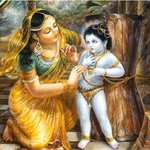
The hymn meditates on the famous childhood pastime (Damodara Lila) in Gokula, where baby Krishna breaks a yogurt pot, steals butter, and runs away in playful fear from Mother Yashoda.
Verses 1–2 (The Divine Form & Pastime). Satyavrata Muni bows to the Supreme Controller (Ishvara), whose eternal form is made of Existence, Knowledge, and Bliss (sat-cid-ananda). Despite being the Almighty, He cries, rubs His eyes with His lotus hands, and trembles as Mother Yashoda catches Him and ties His belly.
Verse 3 (Conquered by Love). Through such pastimes, SriKrishna immerses the residents of Gokula in an ocean of bliss and demonstrates to those who know His supreme majesty that He is conquered only by the pure love of His devotees.
Verses 4–5 (Rejecting Liberation). The devotee explicitly rejects moksha (liberation), the opulences of Vaikuntha, and all other material or spiritual boons. Instead, they pray only for the sweet form of child Gopala—with His dark curling hair and reddish lips kissed by Mother Yashoda—to remain forever manifest in their heart.
Verses 6–7 (Prayer for Prema-Bhakti). Drowning in an ocean of material sorrow, the devotee begs for Krishna's merciful glance. Just as Sri Krishna liberated Kuvera’s two sons (Nalakuvara and Manigriva, who had been cursed to stand as twin Arjuna trees) while bound to the grinding mortar, the devotee asks to be granted prema-bhakti (unalloyed loving devotion) rather than mere salvation.
Verse 8 (Final Obeisances). The prayer concludes by offering reverence not only to Lord Damodara and His unlimited pastimes, but also to the binding rope itself (symbolizing divine love), His belly (the resting place of the entire universe), and Srimati Radharani, His most beloved.
✨ The Esoteric Meaning ("Secret"):-
The "Two-Finger" Deficit (Dvyangula). In the scriptural narrative, every time Mother Yashoda tries to tie Krishna, the rope comes up short by the width of two fingers—no matter how many ropes she ties together. Esoterically, those two fingers represent human endeavor (sva-prayatna) and divine grace (krpa). No amount of yogic austerity, ritual, or self-effort can bind or capture the Infinite; Sri Krishna only allows Himself to be bound when He sees the devotee's sincere exhaustion and reciprocates with His own grace.
The Paradox of the Bound Infinite. The belly (udara) that holds the entire cosmos within it is willingly restricted by a simple household cord. The secret of the ashtakam is that bhakti reverses the hierarchy of power: the Supreme Master subordinates Himself to the affection of His devotee, making love superior to cosmic awe and reverence.
Why It Is Recited in Kartik. According to the Hari-bhakti-vilasa, reciting the Damodara Ashtakam while offering a ghee lamp (deepa) during the sacred month of Kartik (Damodara-masa) directly attracts Lord Damodara. The flame symbolizes the devotee's purified heart burning away past karma and offering the light of single-pointed affection back to the Lord.
✨ In the Gaudiya Vaishnava tradition, the Damodara Ashtakam is treated not merely as a devotional prayer, but as a theological manifesto illustrating the supremacy of madhurya (sweetness) and vatsalya (parental affection) over aishvarya (majesty and awe).
The primary commentary in this lineage is the Dig-darshini-tika ("The Commentary That Shows the Direction") written by Srila Sanatana Goswami (one of the Six Goswamis of Vrindavan) within his monumental ritual text, the Hari-bhakti-vilasa. Later acharyas, such as Srila Bhaktivinoda Thakura and Srila A.C. Bhaktivedanta Swami Prabhupada, expanded upon his insights. – at Vrindavan, India


1. The Hierarchy of Devotion (Aishvarya vs. Madhurya)
In Verse 3 (itidrk sva-lilabhir ananda-kunde...), Satyavrata Muni states that Krishna performs these childhood pastimes to show the aishvarya-jnana-bhaktas (devotees absorbed in His cosmic majesty) that He is conquered solely by pure love.
Sanatana Goswami’s Insight: Devotees in Vaikuntha approach Narayana with trembling awe, aware that He creates and destroys universes. In Vrindavan, Yogamaya (Sri Krishna's internal spiritual potency) covers the residents' awareness of His Godhood so they can love Him naturally as a son, friend, or beloved. Sanatana Goswami emphasizes that Sri Krishna intentionally displays His helplessness before Mother Yashoda to prove that intimate affection (raga) binds Him far more tightly than formal reverence (vidhi).
2. Why Reject Vaikuntha? (Verses 4 & 5)
A striking feature of the hymn is the devotee's explicit rejection of moksha (liberation) and even the opulences of Vaikuntha.
Sanatana Goswami’s Insight: To a Gaudiya Vaishnava, liberation—which eliminates material suffering—is considered insignificant compared to the active bliss of serving Krishna in Vrindavan. In Vaikuntha, one cannot scold the Supreme Lord or tie Him with a rope. Therefore, Satyavrata Muni asks only for the vision of child Gopala’s face—framed by dark curling locks, reddened by Mother Yashoda's kisses, and streaked with black kajjala (eyeliner) from crying—to remain eternally fixed in his heart.
3. The Secret of the Yamala-Arjuna Liberation (Verse 7)
In Verse 7, the prayer references Nalakuvara and Manigriva, the two sons of Kuvera who were cursed by Narada Muni to stand as twin Arjuna trees in Nanda Maharaja’s courtyard.
Gaudiya Theological Point: Even though Narada Muni cursed them, his hidden mercy ensured they were born directly in Vrindavan, where they would witness the Damodara Lila. When Sri Krishna dragged the heavy grinding mortar between the trees and uprooted them, the two gods emerged and offered prayers. Notably, they did not ask for liberation; they asked only for unalloyed bhakti.
Application to the Practitioner: Sanatana Goswami explains that the devotee reciting this verse identifies with those two trees—rigid, stuck in material existence, and unable to move toward God on their own—praying that Krishna, bound by His devotees' love, will mercifully cross their path and uproot their material conditioning.
4. The Esoteric Meaning of the Rope & Srimati Radharani (Verse 8)
The final verse offers obeisances to four distinct entities: the rope (dama), Krishna’s belly (udara), His unlimited pastimes, and Srimati Radharani.
The Rope (Dama): Sanatana Goswami explains that the rope is non-different from prema (pure love) and the internal pleasure potency (Hladini-shakti). Because it serves to bind the Supreme Lord in bliss, the rope itself becomes worshipable.
Why Srimati Radharani is Invoked at the End: Although Radharani is not explicitly present in the historical pastime of Mother Yashoda tying baby Krishna, Satyavrata Muni concludes with namo radhikayai tvadiya-priyayai ("Obeisances to Radhika, Your most beloved"). In Gaudiya rasa-tattva (the science of divine mellows), Radharani is the ultimate reservoir and source of all prema. Mother Yashoda’s parental love (vatsalya-rasa) is deeply powerful, yet Gaudiya acharyas teach that Radharani’s conjugal love (madhurya-rasa) represents the highest pinnacle of that same binding potency. By bowing to Her, the devotee acknowledges that no one can attain pure devotion to Damodara without Her grace.
🪷 Sri Radhe-Govindaya Namah 🪷 – at Vrindavan, India
3
37
Sol ☀️ वेदात्मन् retweeted

It is not by your mind that you can hope to understand the Divine and its action, but by the growth of the true and divine consciousness within you. If the Divine were to unveil and reveal itself in all its glory, the mind might feel a Presence, but it would not understand its action or its nature. It is in the measure of your own realisation and by the birth and growth of that greater consciousness in yourself that you will see the Divine and understand its action even behind its terrestrial disguises.
Sri Aurobindo
24 November 1929
🪷🪷🪷🪷🪷🪷🪷


CONDITIONS FOR DIVINE PROTECTION IN LIFE
The Divine can give protection only to those who are whole-heartedly faithful to the Divine, who live truly in the spirit of sadhana and keep their consciousness and preoccupation fixed upon the Divine and the service of the Divine.
Desire, for example, insistence on one’s likes and conveniences, all movements of hypocrisy and insincerity and falsehood, are great obstacles standing in the way of the Divine’s protection.
If you seek to impose your will upon the Divine, it is as if you were calling for a bomb to fall upon you. I do not say that things are bound to happen in this way; but they are very likely to happen, if people do not become conscious and strictly vigilant and act in the true spirit of a spiritual seeker. If the psychological atmosphere remains the same as that of the outside world, there can be no sure wall of security against the dark Forces that are working out in it the ordeal of danger, suffering and destruction entering here.
~ 🪷 The Mother Mirra, Complete Works of the Mother - 13:120 🪷 – at Pondicherry, India


Sol ☀️ वेदात्मन् retweeted
कल 24 नवंबर, को कार्तिक पूर्णिमा नोट करें शुभ मुहूर्त, पूजा-पाठ और महत्व
हिंदू धर्म में किसी भी पूर्णिमा तिथि का विशेष महत्व होता है और इनमें से खास मानी जाती है कार्तिक महीने में पड़ने वाली पूर्णिमा तिथि, जिसे कार्तिक पूर्णिमा के नाम से जाना जाता है इस पूर्णिमा के दिन को ही देव दीवाली के नाम से भी जाना जाता है.
पौराणिक कथाओं की मानें तो, इसी दिन भगवान शिव ने त्रिपुरासुर नाम के राक्षस का वध किया था और देवताओं को असुरों से मुक्ति दिलाई थी उनकी इसी विजय को सभी देवताओं ने काशी में दीपदान करके मनाया था उसी समय से कार्तिक पूर्णिमा का महत्व और बढ़ गया.
आज भी कार्तिक पूर्णिमा के दिन नदी और तालाबों के आस-पास दीपदान करने और पवित्र नदी में स्नान करने का विधान है.
इस वर्ष कार्तिक पूर्णिमा कब मनाई जाएगी, पूजा का शुभ मुहूर्त और इसका महत्व क्या है?
कार्तिक पूर्णिमा 2026 कब है?
कार्तिक माह के शुक्ल पक्ष की पूर्णिमा तिथि कल 24 नवंबर 2026, मंगलवार को मनाई जाएगी.
कार्तिक पूर्णिमा तिथि आरंभ- आज 23 नवंबर , रात्रि 11:42 बजे से
कार्तिक पूर्णिमा तिथि समापन- कल 24 नवंबर, रात्रि 08:23 बजे तक,
इस दिन पूजा और दीपदान करना शुभ माना जाता है, इससे विष्णु जी का आशीर्वाद मिलता है.
इस दिन शुभ मुहूर्त में पूजा करने से आपके जीवन में आने वाली समस्याएं दूर हो सकती हैं.
स्नान-दान के लिए ब्रह्म मुहूर्त: कल 24 नवंबर, प्रातः 05:03 बजे से प्रातः 05:57 तक
कार्तिक पूर्णिमा पूजा का शुभ मुहूर्त- 24 नवंबर, शाम 05:08 बजे से शाम 07:47 बजे तक
चंद्रोदय का समय- 24 नवंबर, शाम 05:01 बजे।
यदि आप भी यहां बताए मुहूर्त में पूजा करने के साथ चंद्रमा के दर्शन करेंगे, तो आपके जीवन से सभी समस्याएं दूर हो सकती हैं.
कार्तिक पूर्णिमा की रात देवताओं ने धरती पर आकर दीपावली मनाई थी और आज भी सूक्ष्म रूप में देवता इस रात धरती पर आते हैं देव दीपावली की रात नदियों में स्नान, दीपदान और दान-पुण्य के साथ ही देवी-देवताओं की पूजा करना भी शुभ होता है.पं.संजय शास्त्री अनुसार जान लेते हैं कि विशेष रूप से इस दिन किन देवी-देवताओं की पूजा का विधान है.
भगवान गणेश
विघ्नहर्ता भगवान गणेश प्रथम पूज्य हैं और देव दीपावली के शुभ अवसर पर भी इनकी पूजा आपको अवश्य करनी चाहिए भगवान गणेश की पूजा करने से आपके जीवन के सब दुख दूर हो सकते हैं
भगवान विष्णु
कार्तिक मास भगवान विष्णु को समर्पित है क्योंकि इसी महीने श्रीहरि योगनिद्रा से जागते हैं साथ ही मान्यता है कि कार्तिक पूर्णिमा के दिन ही विष्णु ने मत्स्य अवतार लिया था इसलिए देव दीपावली पर आपको भगवान विष्णु की आराधना अवश्य करनी चाहिए इस दिन सत्यनारायण की कथा करने से घर में सुख-शांति आती है
माता लक्ष्मी
देव दीपावली पर भगवान विष्णु के साथ ही माता लक्ष्मी की पूजा करना भी शुभ होता है। भगवान विष्णु के साथ माता लक्ष्मी की पूजा करने से धन-धान्य में वृद्धि होती है और आप आर्थिक समस्याओं से मुक्त हो सकते हैं.
देवी तुलसी
कार्तिक पूर्णिमा और देव दीपावली की शाम को तुलसी पूजा करने का विधान लंबे समय से चला आ रहा है इस दिन तुलसी विवाह भी कुछ लोग संपन्न करते हैं माना जाता है कि कार्तिक पूर्णिमा पर तुलसी की पूजा करने से विघ्न-बाधाएं दूर होती हैं और घर में सकारात्मकता का वास होता है
भगवान शिव
धार्मिक मान्यताओं के अनुसार, कार्तिक पूर्णिमा के दिन भगवान शिव ने त्रिपुरासुर नामक राक्षस का वध कर देवताओं को भयमुक्त किया था, इसलिए इसे कार्तिक पूर्णिमा को 'त्रिपुरी पूर्णिमा' भी कहा जाता है ऐसे में देव दीपावली के दिन शिव पूजन से बेहद शुभ परिणाम आपको मिल सकते हैं महादेव की पूजा करने से शत्रु बाधा, भय और कष्टों से मुक्ति मिल सकती है
राधा-कृष्ण
कार्तिक माह की पूर्णिमा तिथि को भगवान कृष्ण और राधा रानी की
भक्ति का विशेष महत्व बताया गया है पूर्णिमा के पावन अवसर पर राधा-कृष्ण का स्मरण और पूजन करने से परिवार में प्रेम, सद्भाव बना रहता है इसके साथ ही मानसिक शांति भी आपको प्राप्त हो सकती है.
कार्तिक पूर्णिमा का महत्व
हिंदू धर्म में किसी भी पूर्णिमा तिथि की तरह कार्तिक पूर्णिमा का भी विशेष महत्व है और इस दिन दीपदान करना भी बहुत शुभ होता है अगर आप इस दिन घर के अलग-अलग स्थानों पर दीपक जलाते हैं और उन्हें श्रद्धा से रखकर पूजा करते हैं, तो इसका फल आपके जीवन में अवश्य दिखाई देता है
कार्तिक पूर्णिमा पर दीपदान का विशेष महत्व है क्योंकि इसी दिन देव दिवाली भी मनाई जाती है इस दिन तुलसी की पूजा करना भी विशेष रूप से फलदायी होता है और इससे विष्णु जी के साथ माता लक्ष्मी का आशीर्वाद भी मिलता है

🪷 Kartik Purnima falls on Tuesday, November 24, 2026, marking the sacred full moon of the Hindu month of Kartik and the celebration of Dev Deepawali. Known across traditions as Tripurari Purnima, this auspicious day represents the spiritual awakening of light over darkness and unites devotees of Hinduism, Sikhism, and Jainism. 🌕
✨ 2026 Date & Timings:-
Purnima Tithi Begins: November 23, 2026, at 11:42 PM.
Purnima Tithi Ends: November 24, 2026, at 8:23 PM.
Brahma Muhurat (Holy Bath / Snan). 5:03 AM – 5:57 AM on November 24.
Pradosh Kaal (Deepdaan / Lighting Lamps). 5:25 PM – 8:06 PM on November 24.
✨ Legends & Significance:-
Victory Over Tripurasura: Lord Shiva
destroyed the three flying cities (Tripuras) built by the demon brothers Tripurasuras using a single arrow, earning the name Tripurari. To celebrate this victory, the gods descended to Earth and lit millions of lamps along the ghats of Varanasi—a tradition celebrated as Dev Deepawali.
Sri Matsya Avatar & Lord Sri Vishnu's Return: Lord Sri Vishnu took His first incarnation as Matsya (the giant fish) on this day to save the first man, Manu, and the sacred Vedas from a cosmic deluge. It is also believed that Sri Vishnu returns to His celestial abode after staying with King Mahabali.
Birth of Kartikeya & Tulsi: The day marks the birth anniversary of Lord Kartikeya (Murugan) as well as Vrinda (Tulsi) Devi, symbolizing courage, devotion, and purity.
Multi-Faith Reverence: For Sikhs, this full moon marks Guru Nanak Gurpurab, the birth anniversary of Guru Nanak Dev Ji. For Jains, it is a major pilgrimage day to the Palitana temples in Gujarat, celebrating the Jain Festival of Light.
✨ Essential Rituals:-
Kartik Snan: Taking a ritual bath before sunrise in a sacred river (like the Ganga or Yamuna) or at home with a few drops of Ganga water to cleanse past karma.
Deepdaan (Donating Light): Lighting ghee or sesame oil lamps (diyas) at dusk near a river, temple, front doorstep, and beside the sacred Tulsi plant.
Satyanarayana Puja & Charity: Reciting the Sri Satyanarayan Katha and donating food, clothes, or sesame seeds (annadaan and vastradaan) to those in need.
Regional Traditions: In Odisha, devotees celebrate Boita Bandana by floating miniature decorated boats in water bodies to honor ancient maritime traders, while Rajasthan hosts the grand conclusion of the Pushkar Fair.
✨ The Spiritual Secret of Kartik Purnima:-
Beyond outward rituals, ancient texts like the Sri Padma Purana highlight a deeper esoteric secret behind why this specific full moon holds unmatched spiritual potency.
The Union of Hari and Hara: Kartik Purnima is one of the rare cosmic windows where the energies of Lord Sri Vishnu (Hari, the preserver) and Lord Sri Shiva (Hara, the transformer) merge. Worshiping Both on this day dissolves the illusion of duality and aligns the devotee with both material stability and spiritual liberation (Moksha).
Inner Illumination (Deepdaan): Physically, Kartik falls during the autumn transition when sunlight weakens and days shorten. Esoterically, lighting a lamp outside is a symbolic mirror for awakening your inner consciousness—destroying the three internal "cities" (Tripuras) of ego, ignorance, and attachment.
Amplified Karma: Scriptures state that charity, meditation, and mantra chanting performed on Kartik Purnima yield manifold results compared to ordinary days, making it a prime night for quiet introspection under the full moon rather than mere festivity.
🪷☀️ Sri HariHaraye Namaha 🌕🪷 – at Varanasi, India


☀️ The Sun Temple at Sonatapal is an 11th-century brick temple in the rekha deul style, standing on the south bank of the Dwarakeswar River near Bankura in West Bengal. Protected by the Archaeological Survey of India (ASI), it is noted as one of the earliest surviving Sun temples in eastern India and predates the famous Konark Sun Temple. 🪷
Key Details:-
Location: Sonatapal (historically known as Hamirdanga), on the south bank of the Dwarakeswar River near Bankura town, West Bengal.
Architecture: Tall, solid brick rekha deul structure built with thick mud-cement brick walls and a 4-meter square sanctum, with no front mandapa (pavilion).
Ornamentation: Originally plastered and decorated over carved bricks and terracotta/stucco work, with surviving fragments such as a stucco meditating figure and a distinctive entrance.
Visiting Info: Located in an open compound in Sonatapal village; generally accessible during daylight hours with no admission fee.
Mysteries & Local Lore:-
Lord Shiva's Presence in a Sun Temple: Although widely known as a Sun (Surya) temple, the interior sanctum houses a vertical Shiva trident, and it is today linked with Lord Shiva worship. Local traditions and historians point to a nearby village of Brahmins devoted to Lord Surya and Suryadev idols found in the wider region as clues to its original Sun dedication.
Buried Base & Rising Ground: The temple sits on a low mound where centuries of soil accumulation have raised the surrounding ground level, obscuring the true depth of its foundation.
Fort & Jain Connections: Nearby river mounds are associated in local lore with Salivahan's fort (garh) or an ancient Pala-era stronghold, while the broader Bankura region also holds layered histories of Jainism and regional syncretism.
Conservation & Rebuilding: Much of the upper structure has undergone reconstruction and conservation over time, leaving questions about how much of the current silhouette reflects original 11th-century masonry versus later repairs. – at Bankura, India


Sol ☀️ वेदात्मन् retweeted
Shri Ram had divine weapons. He had the strength of Vishnu. Yet, before facing Ravana, he needed something more powerful than any Astra.
He needed to awaken the Sun within his heart
When Shri Ram stood exhausted on the battlefield of Lanka, Sage Agastya did not offer him another weapon. He revealed the sacred Aditya Hridayam.
But why would Shri Ram, born into the Suryavansha, need to invoke Surya?
Because being born with divine potential is not the same as awakening it
In the Tantric interpretation explored by Satyamshakti, Aditya Hridayam is far more than a hymn to the Sun God
It is the awakening of Antah Surya, the inner Sun of consciousness
It is the illumination of the heart, where fear gives way to clarity
It is the spiritual significance of Surya Kavacha, a protective field of divine radiance
It is the understanding that Ravana's ten heads also represent the inner enemies of desire, anger, greed, attachment, pride and ego.
The greatest battle in the Ramayana was not merely between Ram and Ravana. It was also the battle between awakened consciousness and the darkness within
And perhaps that is the greatest teaching of Aditya Hridayam:
You cannot defeat the darkness within simply by fighting it. You must awaken the light that dissolves it
Discover the deeper Tantric interpretation of this sacred stotra, the significance of Surya Kavacha, and the spiritual transformation of Shri Ram from Suryavanshi to Suryatma

🪷 Vaikuntha Chaturdashi is the sacred 14th lunar day (Chaturdashi) of the waxing moon (Shukla Paksha) in the Hindu month of Kartik, celebrated as the rare cosmic union of Lord Sri Vishnu and Lord Sri Shiv (Hari-Hara Milan). In 2026, it falls on Monday, November 23, one day before Kartik Purnima and Dev Diwali. ☀️
✨ Details & 2026 Timings:-
Chaturdashi Tithi: Begins at 2:36 AM and ends at 11:42 PM IST on November 23, 2026.
Sri Vishnu Puja (Nishita Kaal): Performed at Hindu midnight, between 11:41 PM on November 23 and 12:35 AM on November 24. Devotees recite the Sri Vishnu Sahasranama while offering lotus flowers.
Sri Shiv Puja (Arunodaya): Performed at Hindu dawn, accompanied by a holy dip (such as Manikarnika Snan in Varanasi) and Rudrabhishek.
Lighting 14 Diyas: Devotees light fourteen earthen lamps at dusk or near sacred rivers to represent the 14th lunar day and illuminate the 14 realms of Vedic cosmology.
✨ The Esoteric Secrets (Rahasya) of Vaikunth Chaturdashi:-
Beyond standard temple rituals, Vaikunth Chaturdashi holds deep spiritual symbolism regarding non-duality and liberation:
The Reversal of Sacred Offerings: Normally, Tulsi (holy basil) is strictly forbidden in Lord Shiv worship, and Bael (Bilva) leaves are reserved exclusively for Lord Shiv. On Vaikunth Chaturdashi, this rule is deliberately inverted: Tulsi is offered to Lord Sri Shiv, and Bael leaves are offered to Lord Sri Vishnu. This ritual reversal demonstrates Hari-Hara Abheda—the truth that Preserver and Destroyer are not two separate Entities, but One supreme Consciousness.
The Sacrifice of the Lotus Eye & Origin of the Sudarshana Chakra: According to the Sri Shiv Purana, Sri Vishnu traveled to Kashi to worship Sri Shiv with 1,000 lotuses. When Lord Shiv tested Him by hiding the 1,000th flower, Sri Vishnu—known as Kamalanayan (lotus-eyed)— was about to pluck out His own eye to complete the offering. Moved by this supreme surrender, Lord Shiv bestowed upon Him the Sudarshan Chakra. Esoterically, this signifies that true spiritual vision (the inner eye) is awakened only through total ego-surrender.
The Gateway to Vaikunth (Moksha): Legends such as the story of the sinner Dhaneshwar illustrate that the gates of Vaikunth (Sri Vishnu's eternal abode) remain open on this day. Even accidental contact with devotees observing the vow on this tithi is said to neutralize heavy karmic debt and grant liberation from the cycle of rebirth.
Transfer of Cosmic Charge: Following Dev Uthani Ekadashi (when Sri Vishnu awakens from his four-month cosmic sleep), Vaikunth Chaturdashi marks the formal ceremony where Lord Shiv hands the governance and preservation of the universe back to Lord Sri Vishnu. At the Kashi Vishwanath Temple in Varanasi, the sanctum is treated as Vaikunth itself, with both Deities seated side by side. – at Varanasi, India


🪷 Both the Vrat Katha of Dhaneshwar and the Kashi Vishwanath Hari-Hara ritual reveal the supreme grace of Vaikunth Chaturdashi: one shows how the gates of liberation open even for the greatest sinner, while the other commemorates the sacred pact between Lord Sri Vishnu and Lord Sri Shiv.
1. The Vrat Katha of Dhaneshwar:
In ancient times, there lived a Brahmin named Dhaneshwar along the banks of the sacred Godavari River. Despite his noble birth, he abandoned all dharma and lived a life steeped in dishonesty, greed, and grave sins, showing no devotion to God or respect for elders.
One year, on the auspicious day of Kartik Shukla Chaturdashi (Vaikuntha Chaturdashi), thousands of devout pilgrims gathered at the Godavari ghats to take a holy bath, fast, and worship Lord Sri Vishnu and Lord Sri Shiv with earthen lamps. Dhaneshwar happened to visit the riverbank at that exact time. As he stepped into the water and walked through the dense, chanting crowd, he brushed shoulders with countless sincere devotees observing the sacred Vrat. Though Dhaneshwar had no intention of worshipping, he bathed in the same sanctified waters and remained amidst the satsang (holy company) of those pilgrims.
Years later, when Dhaneshwar died, the fierce messengers of death (Yamadutas) bound his soul and dragged him before Yamaraj, the Lord of Justice, to be cast into the deepest hells for his lifetime of wrongdoing.
At that moment, Lord Sri Vishnu intervened (in some tellings alongside Lord Sri Shiv) and commanded Yamaraj to release Dhaneshwar. Yamaraj bowed in confusion and asked, "O Lord, this man has never performed a single good deed in his entire life. How can he escape punishment?"
Lord Sri Vishnu smiled and replied:
"On the sacred day of Vaikunth Chaturdashi, Dhaneshwar bathed in the Godavari and came into physical contact with thousands of my true devotees who were observing the fast. Because the gates of Vaikunth remain open today, the accumulated merit (Punya) of those devotees washed away all his sins in an instant. He is no longer bound by hell; bring him directly to Vaikunth Dham."
Thus, Dhaneshwar attained liberation, establishing the truth that on Vaikunth Chaturdashi, divine grace and the company of devotees (Satsang) outweigh past karma.
2. The Kashi Vishwanath Hari-Hara Ritual (Hari-Hara Milan):
In Varanasi, Vaikunth Chaturdashi is the single night of the year when the Kashi Vishwanath Temple transforms into Vaikunth itself, commemorating the original cosmic meeting (Hari-Hara Milan) between Lord Sri Vishnu and Lord Sri Shiv:
The Puranic Backstory in Kashi: Lord Sri Vishnu descended from Vaikunth to Kashi, bathed at Manikarnika Ghat, and vowed to worship the Vishwanath Jyotirlinga with 1,000 fresh lotus flowers. To test His devotion, Lord Sri Shiv secretly hid the 1,000th lotus. Rather than leave his vow incomplete, Sri Vishnu—revered as Kamalanayan (the Lotus-Eyed One)—prepared to pluck out his own eye to offer at Lord Sri Shiv's feet. Moved by this ultimate surrender, Sri Shiv manifested, restored Sri Vishnu’s eye, gifted Him the invincible Sudarshan Chakra, and declared that anyone who worships Them together on this tithi will attain both Kailash and Vaikunth.
The Midnight Temple Ritual (Nishita Kaal): Tonight during Nishita Kaal, the priests of Kashi Vishwanath perform a rare joint Shringar and Aarti where Lord Sri Vishnu is ceremonially welcomed into the sanctum alongside the Jyotirlinga.
The Sacred Exchange: In a direct reversal of year-round temple rules, Lord Sri Shiv is adorned with Tulsi leaves, and Lord Sri Vishnu is worshipped with Bael (Bilva) leaves. This ritual also symbolizes the formal handover of cosmic governance: after overseeing the universe during Sri Vishnu's four-month Chaturmas sleep, Lord Sri Shiv returns the charge of preservation back to Lord Sri Vishnu, Who resumes His duties before the grand lamps of Dev Diwali are lit across Kashi's ghats tomorrow evening. – at Varanasi, India
1
3
63
🪷 Recite this traditional Kshama Prarthana (forgiveness prayer) with folded hands after your Aarti tonight to ask Lord Sri Vishnu and Lord Sri Shiv to forgive any unintentional mistakes in your Puja and accept your devotion.
1. Universal Kshama Prarthana (For Both Sri Hari & Sri Hara)
Avahanam Na Janami Na Janami Visarjanam |
Pujam Chaiva Na Janami Kshamyatam Parameshwara ||
Mantrahinam Kriyahinam Bhaktihinam Janardana |
Yat Pujitam Maya Deva Paripurnam Tadastu Me ||
Meaning:
"O Supreme Lord, I do not know how to properly invoke You, nor how to bid You farewell. I do not know the exact rules of worship—please forgive my shortcomings. O Janardana (Sri Vishnu), though my worship may lack proper mantras, rituals, or complete devotion, whatever I have offered with love, please accept it as complete."
2. Optional Sri Shiv Kshama Mantra (For the Hari-Hara Union)
If you wish to add a line specifically addressing Lord Sri Shiv alongside Lord Sri Vishnu tonight:
Karacharana Kritam Vakkayajam Karmajam Va |
Shravananayanajam Va Manasam Vaparadham ||
Vihitamavihitam Va Sarvametat Kshamasva |
Jaya Jaya Karunabdhe Shri Mahadeva Shambho ||
Meaning:
"Whatever sins or errors I have committed through my hands, feet, speech, body, actions, ears, eyes, or mind—whether intentional or unintentional—please forgive them all. Victory to You, O Ocean of Compassion, Shri Mahadeva Shambho."
✨ How to Conclude the Ritual:
Hold a few flower petals and unbroken rice (akshat) in your folded hands while reciting the verse(s).
Gently offer the petals at the feet of the Deities, bow down in Sashtanga or Panchanga Pranam, and take three clockwise turns (Pradakshina) in place.
Sip a drop of Charnamrit (sacred water from the abhishekam) and sit quietly for a minute before leaving the altar.
🪷🙏 Om HariHaraya Namah 🙏🪷 – at Varanasi, India
3
32