

Stories that Scale. Systems that Sell. Strategic storytelling + AI systems for the attention economy. Building brands that move culture
Everywhere
Joined December 2021
- Tweets5.3K
- Following2.9K
- Followers1.4K
- Likes6.8K
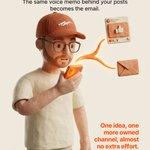





Newsletters are the only channel you use that can't be throttled, summarized, or shut off without warning.
AI is eating search traffic right now. In some sectors, clicks dropped over 20% the week AI answers rolled out. The feed decides who sees your posts. Google decides who sees your blog. You don’t own any of it.


1
15
An email list is the exception. It lands in the inbox with no algorithm in between, and AI can’t summarize its way between you and someone who opted in.


1
9
Most founders talk themselves out of it because the paid conversion math looks bad, about 6 subscribers per 1,000. They’re measuring the wrong thing. For a B2B founder the asset isn’t paid subs. It’s a 41% open rate on a list of your exact buyers, reading you on purpose.
The carousel breaks down what to actually measure and how to start this week.
If every platform you use vanished tomorrow, who could you still reach?


2
You spent real money making your videos look professional. That might be exactly why they’re not working.


1
18
AI can now generate flawless, polished video in seconds. So polished stopped being proof that a real person put in effort. When everything looks perfect, perfect starts to look fake.
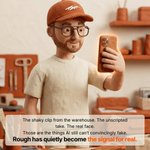
What people trust now is the opposite. The shaky clip from the warehouse. The unscripted take. The real face. Those are the things AI still can’t convincingly fake, and the platforms are backing it. Instagram’s head said raw is what proves a human made it. YouTube now refuses to pay AI personas in health and finance.


1
12


51% of B2B buyers now start their research in an AI chatbot, up from 29% a year ago. They ask ChatGPT who the best options are, and a shortlist forms before they ever talk to you.


1
1
32


Your buyers are tired of guessing whether a real person wrote your posts.
Every time they hit another generic AI post, they have to stop and ask: is this real? Can I trust this? That little moment of doubt adds up, and it’s happening with your content too.
Thread 🧵


1
2
53
Gartner found 65% of people think brands make too much AI content, and 57% trust them less for it. Polish used to mean effort. Now AI makes polish free, so it means nothing.


1
1
14


Social reach resets with every post. An owned audience compounds.
It runs as a flywheel. You capture rented attention into subscribers, it compounds because no algorithm sits between you and the inbox, that direct access becomes pipeline, and their behavior feeds back to sharpen your next move. Each turn makes the next one easier.
The mechanism is simple. Email reaches the person. Social makes you re-earn attention every single time. The concept isn't new either, Forrester formalized owned vs rented media back in 2009.
What's one thing worth subscribing to that only you could send?

19
Calling yourself the best is now helping your competitors win.
Founders publish "why we're the best" pages to win AI search. AI reads them, then recommends someone else. In one study, when a brand's own "best of" list got cited by AI, it left that brand out of the recommendation 69% of the time. Your self-praise becomes a map to your rivals.
Thread 🧵


1
1
23
The reason is simple. AI doesn't trust you to rate yourself, and neither do buyers. What others say about you is what counts, and nearly half of AI citations come from places you don't own: YouTube, Reddit, podcasts.


1
2
7


Six steps turn a conversation into a client. You invite a target buyer as a guest, the 45-minute conversation builds rapport no cold email could, listeners come to feel they know you, one recording becomes many assets, video and transcripts get you found, and the follow-up turns the relationship into pipeline.
The trust is measurable. Standard podcast ads lift purchase intent by 11.6 points (Signal Hill, 2026). A founder who is the content plausibly does more.
Which step is your show missing?

1
24
LinkedIn stopped rewarding applause. A save now drives about 5x the reach of a like, and total reach is down 47% year over year. The posts that get kept are the posts that travel.


1
1
34
Here's the shift. A like says "nice." A save says "I'll need this later." One is a reflex, the other is a vote of real value, and the algorithm can tell the difference.


1
9


