

Documents, photographs, and discoveries from the history of physics. Shared for educational purposes. All materials © their respective owners and archives.
Joined May 2023
- Tweets763
- Following2
- Followers146
- Likes73




Physics Archives retweeted

In November 2002, a short paper appeared on the preprint server @arXiv. Its author was a 36-year-old mathematician in Saint Petersburg, Russia, who had largely withdrawn from the mathematical mainstream and had published relatively little since his celebrated work of the mid-1990s. He was working as a researcher at the Steklov Institute, but had turned down academic positions at several leading universities. Within four years, mathematicians around the world had reached consensus that the paper and two that followed had achieved something no one had managed in a century: they had solved the Poincaré conjecture. It was the first of the seven Millennium Prize Problems to be resolved, and it remains the only one officially recognized as solved. Its author, Grigori Perelman, would then decline almost every major honor and financial award offered to him for the achievement.
The conjecture is often described as a question about the "shape" of three-dimensional space. That captures the basic idea, but not quite the mathematics. Henri Poincaré posed the problem in 1904 as a question in topology: if every loop in a closed three-dimensional manifold can be continuously shrunk to a point, must that manifold be topologically equivalent to the three-sphere, (S^3)? In modern terminology, the question asks whether every closed, simply connected 3-manifold is homeomorphic to (S^3). The corresponding higher-dimensional problems were solved in stages. Stephen Smale proved the generalized conjecture in dimensions five and higher in 1961, while Michael Freedman solved the topological four-dimensional case in 1982. The three-dimensional case remained open and became one of the most famous unsolved problems in mathematics.
Beginning in the 1970s, William Thurston transformed the subject with his geometrization program, proposing that three-dimensional manifolds could be decomposed into pieces carrying one of eight standard geometric structures. The Poincaré conjecture would follow as a special case of this much broader statement. In 1982, Richard Hamilton introduced Ricci flow, a geometric evolution equation that changes a manifold's metric according to its Ricci curvature. The basic idea can be compared, loosely, to the way heat spreads through an object: irregularities tend to smooth out over time. Hamilton hoped that Ricci flow could transform complicated three-dimensional spaces into geometrically understandable ones and thereby prove Thurston's conjecture. But there was a major obstacle. As Ricci flow evolved, curvature could become arbitrarily large in finite time, producing singularities that Hamilton could not completely control.
Grigori Perelman had been immersed in mathematics from an early age. Born in Leningrad in 1966, he attended Sergei Rukshin's famous mathematics circle and, at sixteen, represented the Soviet Union at the 1982 International Mathematical Olympiad in Budapest. He received a perfect score of 42 out of 42 and won a gold medal. Perelman went on to study at Leningrad State University and completed his doctorate in 1990 before joining the Steklov Institute. In 1993, he received a Miller Research Fellowship at the University of California, Berkeley. In 1994, he published a remarkably short proof of the soul conjecture of Cheeger and Gromoll, a significant result in Riemannian geometry. Several leading American universities subsequently offered him positions, but Perelman declined them and returned to Saint Petersburg in 1995. In 1996, he wrote to Richard Hamilton explaining that he believed he had found a way around the difficulties in the Ricci-flow program and offering to collaborate. The collaboration did not materialize, and Perelman continued working largely on his own.
His breakthrough finally appeared on arXiv. On 11 November 2002, Perelman posted "The Entropy Formula for the Ricci Flow and Its Geometric Applications". The paper did not contain a conventional announcement that the Poincaré conjecture had been solved. Instead, in Perelman's extremely compressed style, it developed new tools for Ricci flow and included a sketch of how they could be used to prove Thurston's geometrization conjecture. Two more papers followed, in March and July 2003. Together, they supplied the mathematical framework that completed Hamilton's program and established the geometrization conjecture in the form needed to settle the Poincaré problem.
Among the crucial ingredients were Perelman's no-local-collapsing theorem and his analysis of canonical neighborhoods. These results gave mathematicians the control they needed over the shapes that appear near singularities of three-dimensional Ricci flows. When a singularity developed in a controlled cylindrical region, the problematic neck could be cut out and replaced with suitable caps, after which the Ricci flow could continue. This process, known as surgery, provided the mechanism needed to carry the flow through singularities. Perelman's papers were remarkably terse, often stating sophisticated arguments with far fewer intermediate details than a conventional mathematical exposition would normally provide. Several groups therefore undertook detailed examinations of the work, including Bruce Kleiner and John Lott, Huai-Dong Cao and Xi-Ping Zhu, and John Morgan and Gang Tian. Their extensive expositions, together with the scrutiny of many other mathematicians, helped establish the consensus reached by 2006 that Perelman's arguments were correct.
The recognition that followed was extraordinary. In May 2006, the Fields Medal committee voted to award Perelman mathematics' highest distinction. Sir John Ball, then president of the International Mathematical Union, traveled to Saint Petersburg that June and spent roughly ten hours over two days trying to persuade Perelman to accept the medal. Perelman had already made up his mind. At the International Congress of Mathematicians in Madrid in August 2006, he was announced as one of the Fields Medalists, but he did not attend the ceremony and declined the medal, becoming the first person to refuse a Fields Medal. Perelman explained that he was not interested in money or fame and expressed deep dissatisfaction with aspects of the mathematical community and its standards of recognition. His rejection of major honors was not new: in 1996, he had also declined the European Mathematical Society Prize awarded to him. Later in 2006, Science magazine named the proof of the Poincaré conjecture its Breakthrough of the Year, the first time the distinction had gone to a mathematical achievement.
That same year, another controversy surrounding the proof became highly public. In August 2006, The New Yorker published Sylvia Nasar and David Gruber's article "Manifold Destiny," which described tensions surrounding the recognition of Perelman's work and the detailed proof written by Huai-Dong Cao and Xi-Ping Zhu. The article portrayed Fields Medalist Shing-Tung Yau as attempting to give greater prominence to the work of Cao and Zhu in a way that diminished Perelman's contribution. Yau strongly disputed the article's characterization and threatened legal action, although no lawsuit followed. The details and interpretations surrounding that episode remain contested. Perelman had, however, already resigned from the Steklov Institute in December 2005 and had expressed serious concerns about ethical standards and what he regarded as tolerated dishonesty within parts of the mathematical community.
The Poincaré conjecture was not immediately eligible for the Millennium Prize. The Clay Mathematics Institute's rules require a proposed solution to be published in an appropriate outlet, to have at least two years pass after publication, and to receive general acceptance from the mathematical community. On 18 March 2010, Clay formally awarded Perelman the $1 million Millennium Prize for the solution of the Poincaré conjecture. He declined it. Perelman did not attend the June 2010 Paris conference organized to celebrate the solution, and on 1 July the Russian news agency Interfax reported that he had confirmed his decision to reject the money. His explanation was more specific than simply saying that he disliked publicity: Perelman said that he considered his contribution to the solution no greater than Richard Hamilton's and that he was dissatisfied with the way the mathematical community had treated him and Hamilton. The Clay Mathematics Institute subsequently used the funds associated with the declined prize to establish the Poincaré Chair at the Institut Henri Poincaré in Paris, intended to support promising young mathematicians.
Since then, Perelman has largely disappeared from public mathematical life. He has given very few interviews and has avoided the public spotlight. Reports over the years have described him as living privately in Saint Petersburg, but his current circumstances are not publicly documented. One reported anecdote captures his attitude toward publicity particularly well: a journalist who reached him by telephone was reportedly told that Perelman could not talk because he was out picking mushrooms. There have also been occasional Russian media reports about his activities, including a 2014 report claiming that he had taken a position connected with nanotechnology in Sweden, but such reports have not been independently confirmed by Perelman.
The Poincaré conjecture remains the only one of the seven Millennium Prize Problems that the Clay Mathematics Institute has officially recognized as solved. That status is particularly relevant in September 2026, following recent attention surrounding an OpenAI research result on the Navier–Stokes problem. OpenAI has reported a result concerning a forced version of the equations and has explicitly said that it does not intend to claim the Millennium Prize for that result. The Clay Mathematics Institute has described the Navier–Stokes problem as apparently settled while emphasizing that its evaluation process is deliberately slow and that mathematical scrutiny remains necessary before the problem can be formally recognized as solved.
Perelman's story illustrates why extraordinary mathematical claims are not settled by announcements alone. They become accepted through sustained scrutiny, reconstruction, verification, and the willingness of other mathematicians to spend years trying to determine whether an argument actually works. In the end, Perelman's achievement was not simply that he solved a problem that had resisted mathematicians for a century. He completed a program begun by Hamilton, established the much broader geometrization theorem, and then walked away from the fame, medals, and million-dollar prize that followed.
[References: Grigori Perelman, Manifold Destiny, and Millennium Prize Problems (Wikipedia); Clay Mathematics Institute; Science, "Breakthrough of the Year" (Dec 2006); The New Yorker, "Manifold Destiny" by Sylvia Nasar and David Gruber (Aug 2006); Masha Gessen, Perfect Rigor (2009).]
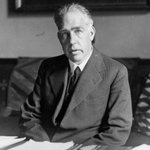
(Photo: Grigori Perelman at Berkeley, 1993. George M. Bergman / Wikimedia Commons, CC BY-SA 4.0.)

ALT Grigori Perelman at Berkeley, 1993
Physics Archives retweeted

180 years ago today, Neptune was discovered through the power of mathematical prediction.
1/n

Physics Archives retweeted
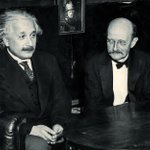
In the final years of Albert Einstein’s life, one of his closest companions at the 𝘐𝘯𝘴𝘵𝘪𝘵𝘶𝘵𝘦 𝘧𝘰𝘳 𝘈𝘥𝘷𝘢𝘯𝘤𝘦𝘥 𝘚𝘵𝘶𝘥𝘺 wasn’t a physicist. It was the mathematician and logician Kurt Gödel.
(Photo courtesy: @the_IAS)
1/n

Physics Archives retweeted
In 1961, Eugene Wigner proposed the "Wigner's Friend" thought experiment to illustrate the quantum measurement problem. Inside an isolated laboratory, Wigner's friend performs a measurement on a quantum system and observes a definite outcome.
1/n

Physics Archives retweeted
𝘞𝘦 𝘣𝘦𝘨𝘪𝘯 𝘢 𝘯𝘦𝘸 𝘰𝘳𝘣𝘪𝘵 𝘢𝘳𝘰𝘶𝘯𝘥 𝘵𝘩𝘦 𝘚𝘶𝘯. ☀️
A very #HappyNewYear from 𝘗𝘩𝘺𝘴𝘪𝘤𝘴 𝘈𝘳𝘤𝘩𝘪𝘷𝘦𝘴. Follow along in 2026 as we share and curate historical documents, notable facts, and precious photographs from the history of physics, for the benefit of learners and enthusiasts worldwide.
#2026

Physics Archives retweeted
As 2025 comes to a close—the world marks 100 years since the birth of modern quantum mechanics—it is worth reflecting on how this revolutionary framework began, and how profoundly it has reshaped our understanding of nature.
Quantum mechanics is celebrated not only because it provides the deepest known description of the atomic and subatomic world, but because it has moved far beyond theory. Today, it stands at the foundation of emerging technologies—from quantum computing and secure communication to precision measurement and simulation—poised to drive the next scientific revolution.
The story begins in the summer of 1925, on the remote German island of Helgoland. There, a bright, intense 23-year-old physicist named 𝘞𝘦𝘳𝘯𝘦𝘳 𝘏𝘦𝘪𝘴𝘦𝘯𝘣𝘦𝘳𝘨 retreated to escape a severe bout of hay fever. Isolated from academic life, he confronted a radical question: 𝘞𝘩𝘢𝘵 𝘪𝘧 𝘱𝘩𝘺𝘴𝘪𝘤𝘴 𝘥𝘦𝘴𝘤𝘳𝘪𝘣𝘦𝘥 𝘰𝘯𝘭𝘺 𝘸𝘩𝘢𝘵 𝘤𝘢𝘯 𝘢𝘤𝘵𝘶𝘢𝘭𝘭𝘺 𝘣𝘦 𝘰𝘣𝘴𝘦𝘳𝘷𝘦𝘥?
At the time, atoms were still pictured using Niels Bohr’s model, in which electrons moved in well-defined planetary orbits. Heisenberg found this deeply unsatisfactory. He argued that one cannot always assign an electron a definite position in space at a given time, nor follow it along a classical orbit. Since such orbits cannot be observed, he concluded, they should not be assumed to physically exist.
Instead, Heisenberg proposed that mechanical quantities such as position and velocity must be represented not by ordinary numbers, but by abstract mathematical arrays. These were soon formalized as matrices by 𝘔𝘢𝘹 𝘉𝘰𝘳𝘯 and 𝘗𝘢𝘴𝘤𝘶𝘢𝘭 𝘑𝘰𝘳𝘥𝘢𝘯, yielding matrix mechanics—the first complete quantum formulation. Matrix mechanics' algebra naturally captured the observable properties of atoms. In this way, quantum theory would be built solely from measurable quantities (such as spectral lines), without any reliance on classical pictures.
In July 1925, Heisenberg submitted his revolutionary paper, “𝘘𝘶𝘢𝘯𝘵𝘶𝘮-𝘛𝘩𝘦𝘰𝘳𝘦𝘵𝘪𝘤𝘢𝘭 𝘙𝘦-𝘐𝘯𝘵𝘦𝘳𝘱𝘳𝘦𝘵𝘢𝘵𝘪𝘰𝘯 𝘰𝘧 𝘒𝘪𝘯𝘦𝘮𝘢𝘵𝘪𝘤 𝘢𝘯𝘥 𝘔𝘦𝘤𝘩𝘢𝘯𝘪𝘤𝘢𝘭 𝘙𝘦𝘭𝘢𝘵𝘪𝘰𝘯𝘴Quantum,” to 𝘡𝘦𝘪𝘵𝘴𝘤𝘩𝘳𝘪𝘧𝘵 𝘧ü𝘳 𝘗𝘩𝘺𝘴𝘪𝘬. This work introduced matrix mechanics, the first complete formulation of quantum mechanics and the true starting point of the quantum era.
(1/n)

Physics Archives retweeted
A Brief History of #Quantum Mechanics: 👇
(𝘍𝘳𝘰𝘮 𝘗𝘭𝘢𝘯𝘤𝘬’𝘴 𝘲𝘶𝘢𝘯𝘵𝘶𝘮 𝘩𝘺𝘱𝘰𝘵𝘩𝘦𝘴𝘪𝘴 𝘵𝘰 𝘵𝘩𝘦 𝘲𝘶𝘢𝘯𝘵𝘶𝘮 𝘤𝘦𝘯𝘵𝘶𝘳𝘺.)
1900 — Max Planck introduces the quantum hypothesis while explaining blackbody radiation, proposing that energy is emitted in discrete units called quanta. This marks the origin of quantum theory.
1905 — Albert Einstein explains the photoelectric effect using light quanta (photons), providing strong evidence for the particle nature of light.
1913 — Niels Bohr proposes a model of the atom with quantized electron orbits, successfully explaining the hydrogen spectrum.
1924 — Max Born introduces the term Quantenmechanik (‘quantum mechanics’) in his paper ‘Über Quantenmechanik’ (Z. Phys., Dec 1924). At this stage, the term referred broadly to emerging quantum ideas rather than to a fully developed formal theory.
1924 — Louis de Broglie introduces the concept of wave–particle duality for matter, suggesting that particles such as electrons also exhibit wave-like behavior.
1925 — Werner Heisenberg, together with Max Born and Pascual Jordan, formulates matrix mechanics, the first core mathematical formulation of quantum mechanics.
1925 — Wolfgang Pauli introduces the Pauli exclusion principle, explaining atomic structure, the periodic table, and the stability of matter.
1926 — Erwin Schrödinger develops wave mechanics and the Schrödinger equation.
1926 — Max Born introduces the probabilistic interpretation of the wavefunction.
1926 — Oskar Klein and Walter Gordon independently formulate the Klein–Gordon equation, an early relativistic wave equation consistent with special relativity. Initially explored in connection with the electron, the equation was later understood to correctly describe spin-0 particles, highlighting the necessity of incorporating spin into relativistic quantum theory.
1927 — Heisenberg formulates the Uncertainty Principle, establishing fundamental limits on the simultaneous determination of conjugate variables. In the same period, Niels Bohr articulates the principle of complementarity. Together, these ideas strongly influence what later became known as the Copenhagen interpretation.
1927 — Wolfgang Pauli introduces the spin formalism (Pauli matrices), laying the foundation for the quantum description of spin-½ particles.
1927 — John von Neumann develops the rigorous mathematical foundations of quantum mechanics, formulating the theory in terms of Hermitian operators acting on states in Hilbert space, and establishing a consistent framework for observables and measurement.
1928 — Paul Dirac formulates a relativistic quantum theory of the electron (Dirac equation), predicting the existence of antimatter.
1932 — Carl D. Anderson experimentally discovers the positron, confirming Dirac’s prediction.
1935 — Einstein, Podolsky, and Rosen present the EPR paradox, questioning the completeness of quantum mechanics.
1935 — Erwin Schrödinger introduces the concept of quantum entanglement and proposes the famous “Schrödinger’s cat” thought experiment to illustrate quantum superposition at macroscopic scales.
1940s–1950s — Quantum Electrodynamics (QED) is developed by Richard Feynman, Julian Schwinger, Sin-Itiro Tomonaga, and Freeman Dyson, achieving unprecedented agreement between theory and experiment.
1964 — John Bell derives Bell’s inequalities, enabling experimental tests of quantum nonlocality.
(1/2)
(📸: 10 of the most influential figures in the history of quantum mechanics. Left to right: 𝘔𝘢𝘹 𝘗𝘭𝘢𝘯𝘤𝘬, 𝘈𝘭𝘣𝘦𝘳𝘵 𝘌𝘪𝘯𝘴𝘵𝘦𝘪𝘯, 𝘕𝘪𝘦𝘭𝘴 𝘉𝘰𝘩𝘳, 𝘓𝘰𝘶𝘪𝘴 𝘥𝘦 𝘉𝘳𝘰𝘨𝘭𝘪𝘦, 𝘔𝘢𝘹 𝘉𝘰𝘳𝘯, 𝘗𝘢𝘶𝘭 𝘋𝘪𝘳𝘢𝘤, 𝘞𝘦𝘳𝘯𝘦𝘳 𝘏𝘦𝘪𝘴𝘦𝘯𝘣𝘦𝘳𝘨, 𝘞𝘰𝘭𝘧𝘨𝘢𝘯𝘨 𝘗𝘢𝘶𝘭𝘪, 𝘌𝘳𝘸𝘪𝘯 𝘚𝘤𝘩𝘳ö𝘥𝘪𝘯𝘨𝘦𝘳, 𝘙𝘪𝘤𝘩𝘢𝘳𝘥 𝘍𝘦𝘺𝘯𝘮𝘢𝘯. ©️ @PhysicsArchives)

Physics Archives retweeted
“I have never met his equal, and can compare him only with Euler or Jacobi.”
— G. H. Hardy, on Srinivasa Ramanujan

Physics Archives retweeted
“I went to take the calculus book out, and the teacher — sorry, the librarian — said, ‘Child, you can’t take this book out. Why are you taking this book out?’ I said, ‘It’s for my father.’ And so I took it home, and I tried to learn a little bit. My father looked at the first few paragraphs and couldn’t understand it, and this was rather a shock to me — a little bit of a shock, I remember. It was the first time I realized that I could understand what he couldn’t understand.”
— Richard P. Feynman,
Interview with Charles Weiner, March 4, 1966
[Niels Bohr Library & Archives, American Institute of Physics (Center for the History of Physics)]

Physics Archives retweeted
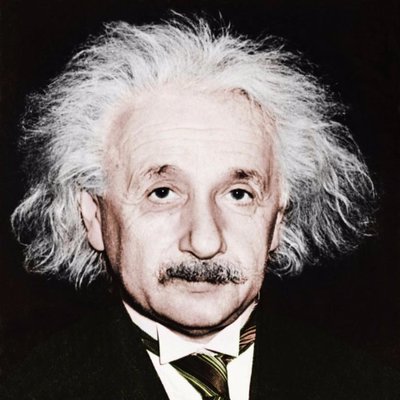
95 years ago today, Einstein and his wife arrived by boat in New York on Dec. 11, 1930. #ThrowbackThursday

Physics Archives retweeted
“Mathematics knows no races or geographic boundaries; for mathematics, the cultural world is one country.”
— David Hilbert (1862-1943)

Physics Archives retweeted
“When I was a kid, I had this notion that you could take the importance of the problem and multiply it by your chance of solving it. You know how a technically minded kid is; he likes the idea of optimizing everything anyway, if you can get the right combination of those factors, you don’t spend your life getting nowhere with a profound problem, or solving lots of small problems that others could do just as well.”
— Richard Feynman (Omni Magazine interview, February 1979)
(📸: Young Richard Feynman on a pony. Credit: Caltech Archives Image)

Physics Archives retweeted

A wonderful letter from 𝘙𝘪𝘤𝘩𝘢𝘳𝘥 𝘍𝘦𝘺𝘯𝘮𝘢𝘯 to his former graduate student 𝘒𝘰𝘪𝘤𝘩𝘪 𝘔𝘢𝘯𝘰, who was upset about not working on fundamental problems and remaining "nameless" in the scientific community:
“𝘋𝘦𝘢𝘳 𝘒𝘰𝘪𝘤𝘩𝘪,
𝘐 𝘸𝘢𝘴 𝘷𝘦𝘳𝘺 𝘩𝘢𝘱𝘱𝘺 𝘵𝘰 𝘩𝘦𝘢𝘳 𝘧𝘳𝘰𝘮 𝘺𝘰𝘶, 𝘢𝘯𝘥 𝘵𝘩𝘢𝘵 𝘺𝘰𝘶 𝘩𝘢𝘷𝘦 𝘴𝘶𝘤𝘩 𝘢 𝘱𝘰𝘴𝘪𝘵𝘪𝘰𝘯 𝘪𝘯 𝘵𝘩𝘦 𝘙𝘦𝘴𝘦𝘢𝘳𝘤𝘩 𝘓𝘢𝘣𝘰𝘳𝘢𝘵𝘰𝘳𝘪𝘦𝘴. 𝘜𝘯𝘧𝘰𝘳𝘵𝘶𝘯𝘢𝘵𝘦𝘭𝘺 𝘺𝘰𝘶𝘳 𝘭𝘦𝘵𝘵𝘦𝘳 𝘮𝘢𝘥𝘦 𝘮𝘦 𝘶𝘯𝘩𝘢𝘱𝘱𝘺 𝘧𝘰𝘳 𝘺𝘰𝘶 𝘴𝘦𝘦𝘮 𝘵𝘰 𝘣𝘦 𝘵𝘳𝘶𝘭𝘺 𝘴𝘢𝘥. 𝘐𝘵 𝘴𝘦𝘦𝘮𝘴 𝘵𝘩𝘢𝘵 𝘵𝘩𝘦 𝘪𝘯𝘧𝘭𝘶𝘦𝘯𝘤𝘦 𝘰𝘧 𝘺𝘰𝘶𝘳 𝘵𝘦𝘢𝘤𝘩𝘦𝘳 𝘩𝘢𝘴 𝘣𝘦𝘦𝘯 𝘵𝘰 𝘨𝘪𝘷𝘦 𝘺𝘰𝘶 𝘢 𝘧𝘢𝘭𝘴𝘦 𝘪𝘥𝘦𝘢 𝘰𝘧 𝘸𝘩𝘢𝘵 𝘢𝘳𝘦 𝘸𝘰𝘳𝘵𝘩𝘸𝘩𝘪𝘭𝘦 𝘱𝘳𝘰𝘣𝘭𝘦𝘮𝘴. 𝘛𝘩𝘦 𝘸𝘰𝘳𝘵𝘩𝘸𝘩𝘪𝘭𝘦 𝘱𝘳𝘰𝘣𝘭𝘦𝘮𝘴 𝘢𝘳𝘦 𝘵𝘩𝘦 𝘰𝘯𝘦𝘴 𝘺𝘰𝘶 𝘤𝘢𝘯 𝘳𝘦𝘢𝘭𝘭𝘺 𝘴𝘰𝘭𝘷𝘦 𝘰𝘳 𝘩𝘦𝘭𝘱 𝘴𝘰𝘭𝘷𝘦, 𝘵𝘩𝘦 𝘰𝘯𝘦𝘴 𝘺𝘰𝘶 𝘤𝘢𝘯 𝘳𝘦𝘢𝘭𝘭𝘺 𝘤𝘰𝘯𝘵𝘳𝘪𝘣𝘶𝘵𝘦 𝘴𝘰𝘮𝘦𝘵𝘩𝘪𝘯𝘨 𝘵𝘰. 𝘈 𝘱𝘳𝘰𝘣𝘭𝘦𝘮 𝘪𝘴 𝘨𝘳𝘢𝘯𝘥 𝘪𝘯 𝘴𝘤𝘪𝘦𝘯𝘤𝘦 𝘪𝘧 𝘪𝘵 𝘭𝘪𝘦𝘴 𝘣𝘦𝘧𝘰𝘳𝘦 𝘶𝘴 𝘶𝘯𝘴𝘰𝘭𝘷𝘦𝘥 𝘢𝘯𝘥 𝘸𝘦 𝘴𝘦𝘦 𝘴𝘰𝘮𝘦 𝘸𝘢𝘺 𝘧𝘰𝘳 𝘶𝘴 𝘵𝘰 𝘮𝘢𝘬𝘦 𝘴𝘰𝘮𝘦 𝘩𝘦𝘢𝘥𝘸𝘢𝘺 𝘪𝘯𝘵𝘰 𝘪𝘵. 𝘐 𝘸𝘰𝘶𝘭𝘥 𝘢𝘥𝘷𝘪𝘴𝘦 𝘺𝘰𝘶 𝘵𝘰 𝘵𝘢𝘬𝘦 𝘦𝘷𝘦𝘯 𝘴𝘪𝘮𝘱𝘭𝘦𝘳, 𝘰𝘳 𝘢𝘴 𝘺𝘰𝘶 𝘴𝘢𝘺, 𝘩𝘶𝘮𝘣𝘭𝘦𝘳, 𝘱𝘳𝘰𝘣𝘭𝘦𝘮𝘴 𝘶𝘯𝘵𝘪𝘭 𝘺𝘰𝘶 𝘧𝘪𝘯𝘥 𝘴𝘰𝘮𝘦 𝘺𝘰𝘶 𝘤𝘢𝘯 𝘳𝘦𝘢𝘭𝘭𝘺 𝘴𝘰𝘭𝘷𝘦 𝘦𝘢𝘴𝘪𝘭𝘺, 𝘯𝘰 𝘮𝘢𝘵𝘵𝘦𝘳 𝘩𝘰𝘸 𝘵𝘳𝘪𝘷𝘪𝘢𝘭. 𝘠𝘰𝘶 𝘸𝘪𝘭𝘭 𝘨𝘦𝘵 𝘵𝘩𝘦 𝘱𝘭𝘦𝘢𝘴𝘶𝘳𝘦 𝘰𝘧 𝘴𝘶𝘤𝘤𝘦𝘴𝘴, 𝘢𝘯𝘥 𝘰𝘧 𝘩𝘦𝘭𝘱𝘪𝘯𝘨 𝘺𝘰𝘶𝘳 𝘧𝘦𝘭𝘭𝘰𝘸 𝘮𝘢𝘯, 𝘦𝘷𝘦𝘯 𝘪𝘧 𝘪𝘵 𝘪𝘴 𝘰𝘯𝘭𝘺 𝘵𝘰 𝘢𝘯𝘴𝘸𝘦𝘳 𝘢 𝘲𝘶𝘦𝘴𝘵𝘪𝘰𝘯 𝘪𝘯 𝘵𝘩𝘦 𝘮𝘪𝘯𝘥 𝘰𝘧 𝘢 𝘤𝘰𝘭𝘭𝘦𝘢𝘨𝘶𝘦 𝘭𝘦𝘴𝘴 𝘢𝘣𝘭𝘦 𝘵𝘩𝘢𝘯 𝘺𝘰𝘶. 𝘠𝘰𝘶 𝘮𝘶𝘴𝘵 𝘯𝘰𝘵 𝘵𝘢𝘬𝘦 𝘢𝘸𝘢𝘺 𝘧𝘳𝘰𝘮 𝘺𝘰𝘶𝘳𝘴𝘦𝘭𝘧 𝘵𝘩𝘦𝘴𝘦 𝘱𝘭𝘦𝘢𝘴𝘶𝘳𝘦𝘴 𝘣𝘦𝘤𝘢𝘶𝘴𝘦 𝘺𝘰𝘶 𝘩𝘢𝘷𝘦 𝘴𝘰𝘮𝘦 𝘦𝘳𝘳𝘰𝘯𝘦𝘰𝘶𝘴 𝘪𝘥𝘦𝘢 𝘰𝘧 𝘸𝘩𝘢𝘵 𝘪𝘴 𝘸𝘰𝘳𝘵𝘩𝘸𝘩𝘪𝘭𝘦.
𝘠𝘰𝘶 𝘮𝘦𝘵 𝘮𝘦 𝘢𝘵 𝘵𝘩𝘦 𝘱𝘦𝘢𝘬 𝘰𝘧 𝘮𝘺 𝘤𝘢𝘳𝘦𝘦𝘳 𝘸𝘩𝘦𝘯 𝘐 𝘴𝘦𝘦𝘮𝘦𝘥 𝘵𝘰 𝘺𝘰𝘶 𝘵𝘰 𝘣𝘦 𝘤𝘰𝘯𝘤𝘦𝘳𝘯𝘦𝘥 𝘸𝘪𝘵𝘩 𝘱𝘳𝘰𝘣𝘭𝘦𝘮𝘴 𝘤𝘭𝘰𝘴𝘦 𝘵𝘰 𝘵𝘩𝘦 𝘨𝘰𝘥𝘴. 𝘉𝘶𝘵 𝘢𝘵 𝘵𝘩𝘦 𝘴𝘢𝘮𝘦 𝘵𝘪𝘮𝘦, 𝘐 𝘩𝘢𝘥 𝘢𝘯𝘰𝘵𝘩𝘦𝘳 𝘗𝘩.𝘋. 𝘴𝘵𝘶𝘥𝘦𝘯𝘵 (𝘈𝘭𝘣𝘦𝘳𝘵 𝘏𝘪𝘣𝘣𝘴) 𝘸𝘩𝘰𝘴𝘦 𝘵𝘩𝘦𝘴𝘪𝘴 𝘸𝘢𝘴 𝘰𝘯 𝘩𝘰𝘸 𝘪𝘵 𝘪𝘴 𝘵𝘩𝘢𝘵 𝘵𝘩𝘦 𝘸𝘪𝘯𝘥𝘴 𝘣𝘶𝘪𝘭𝘥 𝘶𝘱 𝘸𝘢𝘷𝘦𝘴 𝘣𝘭𝘰𝘸𝘪𝘯𝘨 𝘰𝘷𝘦𝘳 𝘸𝘢𝘵𝘦𝘳 𝘪𝘯 𝘵𝘩𝘦 𝘴𝘦𝘢. 𝘐 𝘢𝘤𝘤𝘦𝘱𝘵𝘦𝘥 𝘩𝘪𝘮 𝘢𝘴 𝘢 𝘴𝘵𝘶𝘥𝘦𝘯𝘵 𝘣𝘦𝘤𝘢𝘶𝘴𝘦 𝘩𝘦 𝘤𝘢𝘮𝘦 𝘵𝘰 𝘮𝘦 𝘸𝘪𝘵𝘩 𝘵𝘩𝘦 𝘱𝘳𝘰𝘣𝘭𝘦𝘮 𝘩𝘦 𝘸𝘢𝘯𝘵𝘦𝘥 𝘵𝘰 𝘴𝘰𝘭𝘷𝘦. 𝘞𝘪𝘵𝘩 𝘺𝘰𝘶 𝘐 𝘮𝘢𝘥𝘦 𝘢 𝘮𝘪𝘴𝘵𝘢𝘬𝘦, 𝘐 𝘨𝘢𝘷𝘦 𝘺𝘰𝘶 𝘵𝘩𝘦 𝘱𝘳𝘰𝘣𝘭𝘦𝘮 𝘪𝘯𝘴𝘵𝘦𝘢𝘥 𝘰𝘧 𝘭𝘦𝘵𝘵𝘪𝘯𝘨 𝘺𝘰𝘶 𝘧𝘪𝘯𝘥 𝘺𝘰𝘶𝘳 𝘰𝘸𝘯; 𝘢𝘯𝘥 𝘭𝘦𝘧𝘵 𝘺𝘰𝘶 𝘸𝘪𝘵𝘩 𝘢 𝘸𝘳𝘰𝘯𝘨 𝘪𝘥𝘦𝘢 𝘰𝘧 𝘸𝘩𝘢𝘵 𝘪𝘴 𝘪𝘯𝘵𝘦𝘳𝘦𝘴𝘵𝘪𝘯𝘨 𝘰𝘳 𝘱𝘭𝘦𝘢𝘴𝘢𝘯𝘵 𝘰𝘳 𝘪𝘮𝘱𝘰𝘳𝘵𝘢𝘯𝘵 𝘵𝘰 𝘸𝘰𝘳𝘬 𝘰𝘯 (𝘯𝘢𝘮𝘦𝘭𝘺 𝘵𝘩𝘰𝘴𝘦 𝘱𝘳𝘰𝘣𝘭𝘦𝘮𝘴 𝘺𝘰𝘶 𝘴𝘦𝘦 𝘺𝘰𝘶 𝘮𝘢𝘺 𝘥𝘰 𝘴𝘰𝘮𝘦𝘵𝘩𝘪𝘯𝘨 𝘢𝘣𝘰𝘶𝘵). 𝘐 𝘢𝘮 𝘴𝘰𝘳𝘳𝘺, 𝘦𝘹𝘤𝘶𝘴𝘦 𝘮𝘦. 𝘐 𝘩𝘰𝘱𝘦 𝘣𝘺 𝘵𝘩𝘪𝘴 𝘭𝘦𝘵𝘵𝘦𝘳 𝘵𝘰 𝘩𝘦𝘭𝘱 𝘤𝘰𝘳𝘳𝘦𝘤𝘵 𝘪𝘵 𝘢 𝘭𝘪𝘵𝘵𝘭𝘦.
𝘐 𝘩𝘢𝘷𝘦 𝘸𝘰𝘳𝘬𝘦𝘥 𝘰𝘯 𝘪𝘯𝘯𝘶𝘮𝘦𝘳𝘢𝘣𝘭𝘦 𝘱𝘳𝘰𝘣𝘭𝘦𝘮𝘴 𝘵𝘩𝘢𝘵 𝘺𝘰𝘶 𝘸𝘰𝘶𝘭𝘥 𝘤𝘢𝘭𝘭 𝘩𝘶𝘮𝘣𝘭𝘦, 𝘣𝘶𝘵 𝘸𝘩𝘪𝘤𝘩 𝘐 𝘦𝘯𝘫𝘰𝘺𝘦𝘥 𝘢𝘯𝘥 𝘧𝘦𝘭𝘵 𝘷𝘦𝘳𝘺 𝘨𝘰𝘰𝘥 𝘢𝘣𝘰𝘶𝘵 𝘣𝘦𝘤𝘢𝘶𝘴𝘦 𝘐 𝘴𝘰𝘮𝘦𝘵𝘪𝘮𝘦𝘴 𝘤𝘰𝘶𝘭𝘥 𝘱𝘢𝘳𝘵𝘪𝘢𝘭𝘭𝘺 𝘴𝘶𝘤𝘤𝘦𝘦𝘥. 𝘍𝘰𝘳 𝘦𝘹𝘢𝘮𝘱𝘭𝘦, 𝘦𝘹𝘱𝘦𝘳𝘪𝘮𝘦𝘯𝘵𝘴 𝘰𝘯 𝘵𝘩𝘦 𝘤𝘰𝘦𝘧𝘧𝘪𝘤𝘪𝘦𝘯𝘵 𝘰𝘧 𝘧𝘳𝘪𝘤𝘵𝘪𝘰𝘯 𝘰𝘯 𝘩𝘪𝘨𝘩𝘭𝘺 𝘱𝘰𝘭𝘪𝘴𝘩𝘦𝘥 𝘴𝘶𝘳𝘧𝘢𝘤𝘦𝘴, 𝘵𝘰 𝘵𝘳𝘺 𝘵𝘰 𝘭𝘦𝘢𝘳𝘯 𝘴𝘰𝘮𝘦𝘵𝘩𝘪𝘯𝘨 𝘢𝘣𝘰𝘶𝘵 𝘩𝘰𝘸 𝘧𝘳𝘪𝘤𝘵𝘪𝘰𝘯 𝘸𝘰𝘳𝘬𝘦𝘥 (𝘧𝘢𝘪𝘭𝘶𝘳𝘦). 𝘖𝘳 𝘩𝘰𝘸 𝘦𝘭𝘢𝘴𝘵𝘪𝘤 𝘱𝘳𝘰𝘱𝘦𝘳𝘵𝘪𝘦𝘴 𝘰𝘧 𝘤𝘳𝘺𝘴𝘵𝘢𝘭𝘴 𝘥𝘦𝘱𝘦𝘯𝘥 𝘰𝘯 𝘵𝘩𝘦 𝘧𝘰𝘳𝘤𝘦𝘴 𝘣𝘦𝘵𝘸𝘦𝘦𝘯 𝘵𝘩𝘦 𝘢𝘵𝘰𝘮𝘴 𝘪𝘯 𝘵𝘩𝘦𝘮, 𝘰𝘳 𝘩𝘰𝘸 𝘵𝘰 𝘮𝘢𝘬𝘦 𝘦𝘭𝘦𝘤𝘵𝘳𝘰𝘱𝘭𝘢𝘵𝘦𝘥 𝘮𝘦𝘵𝘢𝘭 𝘴𝘵𝘪𝘤𝘬 𝘵𝘰 𝘱𝘭𝘢𝘴𝘵𝘪𝘤 𝘰𝘣𝘫𝘦𝘤𝘵𝘴 (𝘭𝘪𝘬𝘦 𝘳𝘢𝘥𝘪𝘰 𝘬𝘯𝘰𝘣𝘴). 𝘖𝘳 𝘩𝘰𝘸 𝘯𝘦𝘶𝘵𝘳𝘰𝘯𝘴 𝘥𝘪𝘧𝘧𝘶𝘴𝘦 𝘰𝘶𝘵 𝘰𝘧 𝘜𝘳𝘢𝘯𝘪𝘶𝘮. 𝘖𝘳 𝘵𝘩𝘦 𝘳𝘦𝘧𝘭𝘦𝘤𝘵𝘪𝘰𝘯 𝘰𝘧 𝘦𝘭𝘦𝘤𝘵𝘳𝘰𝘮𝘢𝘨𝘯𝘦𝘵𝘪𝘤 𝘸𝘢𝘷𝘦𝘴 𝘧𝘳𝘰𝘮 𝘧𝘪𝘭𝘮𝘴 𝘤𝘰𝘢𝘵𝘪𝘯𝘨 𝘨𝘭𝘢𝘴𝘴. 𝘛𝘩𝘦 𝘥𝘦𝘷𝘦𝘭𝘰𝘱𝘮𝘦𝘯𝘵 𝘰𝘧 𝘴𝘩𝘰𝘤𝘬 𝘸𝘢𝘷𝘦𝘴 𝘪𝘯 𝘦𝘹𝘱𝘭𝘰𝘴𝘪𝘰𝘯𝘴. 𝘛𝘩𝘦 𝘥𝘦𝘴𝘪𝘨𝘯 𝘰𝘧 𝘢 𝘯𝘦𝘶𝘵𝘳𝘰𝘯 𝘤𝘰𝘶𝘯𝘵𝘦𝘳. 𝘞𝘩𝘺 𝘴𝘰𝘮𝘦 𝘦𝘭𝘦𝘮𝘦𝘯𝘵𝘴 𝘤𝘢𝘱𝘵𝘶𝘳𝘦 𝘦𝘭𝘦𝘤𝘵𝘳𝘰𝘯𝘴 𝘧𝘳𝘰𝘮 𝘵𝘩𝘦 𝘓-𝘰𝘳𝘣𝘪𝘵𝘴, 𝘣𝘶𝘵 𝘯𝘰𝘵 𝘵𝘩𝘦 𝘒-𝘰𝘳𝘣𝘪𝘵𝘴. 𝘎𝘦𝘯𝘦𝘳𝘢𝘭 𝘵𝘩𝘦𝘰𝘳𝘺 𝘰𝘧 𝘩𝘰𝘸 𝘵𝘰 𝘧𝘰𝘭𝘥 𝘱𝘢𝘱𝘦𝘳 𝘵𝘰 𝘮𝘢𝘬𝘦 𝘢 𝘤𝘦𝘳𝘵𝘢𝘪𝘯 𝘵𝘺𝘱𝘦 𝘰𝘧 𝘤𝘩𝘪𝘭𝘥'𝘴 𝘵𝘰𝘺 (𝘤𝘢𝘭𝘭𝘦𝘥 𝘧𝘭𝘦𝘹𝘢𝘨𝘰𝘯𝘴). 𝘛𝘩𝘦 𝘦𝘯𝘦𝘳𝘨𝘺 𝘭𝘦𝘷𝘦𝘭𝘴 𝘪𝘯 𝘵𝘩𝘦 𝘭𝘪𝘨𝘩𝘵 𝘯𝘶𝘤𝘭𝘦𝘪. 𝘛𝘩𝘦 𝘵𝘩𝘦𝘰𝘳𝘺 𝘰𝘧 𝘵𝘶𝘳𝘣𝘶𝘭𝘦𝘯𝘤𝘦 (𝘐 𝘩𝘢𝘷𝘦 𝘴𝘱𝘦𝘯𝘵 𝘴𝘦𝘷𝘦𝘳𝘢𝘭 𝘺𝘦𝘢𝘳𝘴 𝘰𝘯 𝘪𝘵 𝘸𝘪𝘵𝘩𝘰𝘶𝘵 𝘴𝘶𝘤𝘤𝘦𝘴𝘴). 𝘗𝘭𝘶𝘴 𝘢𝘭𝘭 𝘵𝘩𝘦 "𝘨𝘳𝘢𝘯𝘥𝘦𝘳" 𝘱𝘳𝘰𝘣𝘭𝘦𝘮𝘴 𝘰𝘧 𝘲𝘶𝘢𝘯𝘵𝘶𝘮 𝘵𝘩𝘦𝘰𝘳𝘺.
𝘕𝘰 𝘱𝘳𝘰𝘣𝘭𝘦𝘮 𝘪𝘴 𝘵𝘰𝘰 𝘴𝘮𝘢𝘭𝘭 𝘰𝘳 𝘵𝘰𝘰 𝘵𝘳𝘪𝘷𝘪𝘢𝘭 𝘪𝘧 𝘸𝘦 𝘤𝘢𝘯 𝘳𝘦𝘢𝘭𝘭𝘺 𝘥𝘰 𝘴𝘰𝘮𝘦𝘵𝘩𝘪𝘯𝘨 𝘢𝘣𝘰𝘶𝘵 𝘪𝘵.
𝘠𝘰𝘶 𝘴𝘢𝘺 𝘺𝘰𝘶 𝘢𝘳𝘦 𝘢 𝘯𝘢𝘮𝘦𝘭𝘦𝘴𝘴 𝘮𝘢𝘯. 𝘠𝘰𝘶 𝘢𝘳𝘦 𝘯𝘰𝘵 𝘵𝘰 𝘺𝘰𝘶𝘳 𝘸𝘪𝘧𝘦 𝘢𝘯𝘥 𝘵𝘰 𝘺𝘰𝘶𝘳 𝘤𝘩𝘪𝘭𝘥. 𝘠𝘰𝘶 𝘸𝘪𝘭𝘭 𝘯𝘰𝘵 𝘭𝘰𝘯𝘨 𝘳𝘦𝘮𝘢𝘪𝘯 𝘴𝘰 𝘵𝘰 𝘺𝘰𝘶𝘳 𝘪𝘮𝘮𝘦𝘥𝘪𝘢𝘵𝘦 𝘤𝘰𝘭𝘭𝘦𝘢𝘨𝘶𝘦𝘴 𝘪𝘧 𝘺𝘰𝘶 𝘤𝘢𝘯 𝘢𝘯𝘴𝘸𝘦𝘳 𝘵𝘩𝘦𝘪𝘳 𝘴𝘪𝘮𝘱𝘭𝘦 𝘲𝘶𝘦𝘴𝘵𝘪𝘰𝘯𝘴 𝘸𝘩𝘦𝘯 𝘵𝘩𝘦𝘺 𝘤𝘰𝘮𝘦 𝘪𝘯𝘵𝘰 𝘺𝘰𝘶𝘳 𝘰𝘧𝘧𝘪𝘤𝘦. 𝘠𝘰𝘶 𝘢𝘳𝘦 𝘯𝘰𝘵 𝘯𝘢𝘮𝘦𝘭𝘦𝘴𝘴 𝘵𝘰 𝘮𝘦. 𝘋𝘰 𝘯𝘰𝘵 𝘳𝘦𝘮𝘢𝘪𝘯 𝘯𝘢𝘮𝘦𝘭𝘦𝘴𝘴 𝘵𝘰 𝘺𝘰𝘶𝘳𝘴𝘦𝘭𝘧 — 𝘪𝘵 𝘪𝘴 𝘵𝘰𝘰 𝘴𝘢𝘥 𝘢 𝘸𝘢𝘺 𝘵𝘰 𝘣𝘦. 𝘒𝘯𝘰𝘸 𝘺𝘰𝘶𝘳 𝘱𝘭𝘢𝘤𝘦 𝘪𝘯 𝘵𝘩𝘦 𝘸𝘰𝘳𝘭𝘥 𝘢𝘯𝘥 𝘦𝘷𝘢𝘭𝘶𝘢𝘵𝘦 𝘺𝘰𝘶𝘳𝘴𝘦𝘭𝘧 𝘧𝘢𝘪𝘳𝘭𝘺, 𝘯𝘰𝘵 𝘪𝘯 𝘵𝘦𝘳𝘮𝘴 𝘰𝘧 𝘺𝘰𝘶𝘳 𝘯𝘢𝘪𝘷𝘦 𝘪𝘥𝘦𝘢𝘭𝘴 𝘰𝘧 𝘺𝘰𝘶𝘳 𝘰𝘸𝘯 𝘺𝘰𝘶𝘵𝘩, 𝘯𝘰𝘳 𝘪𝘯 𝘵𝘦𝘳𝘮𝘴 𝘰𝘧 𝘸𝘩𝘢𝘵 𝘺𝘰𝘶 𝘦𝘳𝘳𝘰𝘯𝘦𝘰𝘶𝘴𝘭𝘺 𝘪𝘮𝘢𝘨𝘪𝘯𝘦 𝘺𝘰𝘶𝘳 𝘵𝘦𝘢𝘤𝘩𝘦𝘳'𝘴 𝘪𝘥𝘦𝘢𝘭𝘴 𝘢𝘳𝘦.
𝘉𝘦𝘴𝘵 𝘰𝘧 𝘭𝘶𝘤𝘬 𝘢𝘯𝘥 𝘩𝘢𝘱𝘱𝘪𝘯𝘦𝘴𝘴.
𝘚𝘪𝘯𝘤𝘦𝘳𝘦𝘭𝘺,
𝘙𝘪𝘤𝘩𝘢𝘳𝘥 𝘗. 𝘍𝘦𝘺𝘯𝘮𝘢𝘯.”
[Image: A still from “The Fantastic Mr. Feynman” documentary, credit: BBC]

Physics Archives retweeted

When you throw a ball at a wall, you can be sure it will bounce back at you.
You would be extremely surprised if the ball suddenly appeared on the other side of the wall. In quantum mechanics this type of phenomenon is called tunnelling and is exactly the type of phenomenon that has given it a reputation for being bizarre and unintuitive.
The 2025 #NobelPrize laureates in physics John Clarke, Michel H. Devoret and John M. Martinis, used a series of experiments to demonstrate that the bizarre properties of the quantum world can be made concrete in a system big enough to be held in the hand. Their superconducting electrical system could tunnel from one state to another, as if it were passing straight through a wall. They also showed that the system absorbed and emitted energy in doses of specific sizes, just as predicted by quantum mechanics.

Physics Archives retweeted
This year’s physics laureates’ experiments on a chip revealed quantum physics in action.
A major question in physics is the maximum size of a system that can demonstrate quantum mechanical effects. The 2025 physics laureates conducted experiments with an electrical circuit in which they demonstrated both quantum mechanical tunnelling and quantised energy levels in a system big enough to be held in the hand.
The transistors in computer microchips are one example of the established quantum technology that surrounds us. The 2025 #NobelPrize in Physics has provided opportunities for developing the next generation of quantum technology, including quantum cryptography, quantum computers, and quantum sensors.

Physics Archives retweeted
BREAKING NEWS
The Royal Swedish Academy of Sciences has decided to award the 2025 #NobelPrize in Physics to John Clarke, Michel H. Devoret and John M. Martinis “for the discovery of macroscopic quantum mechanical tunnelling and energy quantisation in an electric circuit.”

Physics Archives retweeted

Mathematics Photo Of The Day:
Mādhava of Sangamagrāma (Mādhavan) (c. 1350 – c. 1425) from Kerala, India, was an Indian mathematician who also endeavored the field of astronomy. One of the greatest mathematicians-astronomers of the Late Middle Ages. (1/n)

Physics Archives retweeted
Maryam Mirzakhani - The First Woman Fields Medalist
Maryam Mirzakhani was a brilliant mathematician who made significant contributions to the field of mathematics, particularly in the study of “Riemann surfaces and their moduli spaces.”
1/n

Physics Archives retweeted
336 years ago today, Sir Isaac Newton published his book "Philosophiæ Naturalis Principia Mathematica" (Mathematical Principles of Natural Philosophy), which is considered one of the most important single works in the history of modern science.
Originally published: 5 July 1687

